Expert Hepatology & Liver Transplant Care in Mumbai — What to Expect from a Subspecialty Consultation
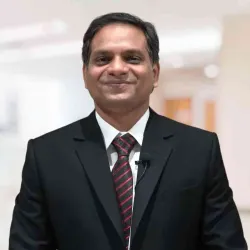
Dr. Chetan Kalal, DM (Hepatology), MD, First DM Hepatologist of Maharashtra | Associate Director, Hepatology & Transplant Medicine, Gleneagles Hospital Mumbai
Most patients who come to me have already seen a doctor. Some have seen several. What brings them to a subspecialty hepatologist is usually not the absence of a diagnosis — it's the absence of a clear path forward.
This article explains what a subspecialty hepatology consultation actually involves, how it differs from a general gastroenterology review, and what patients — in Mumbai, across India, and internationally — should expect when they book with me.
What is a DM Hepatologist and why does it matter?
In India, the highest postgraduate qualification in hepatology is the DM (Doctorate of Medicine) in Hepatology — a three-year subspecialty training program following an MD, focused exclusively on liver and biliary diseases, liver transplantation, and advanced hepatological management. It is distinct from a DM Gastroenterology and from an MD Medicine or MD Gastroenterology.
I am the first DM-qualified Hepatologist in Maharashtra — a distinction that reflects both the timing of the qualification pathway's establishment in India and the depth of subspecialty training it requires.
The practical difference for patients: a DM Hepatologist has trained specifically in the full spectrum of liver disease management — from acute liver failure requiring ICU-level interventions to complex autoimmune liver diseases, hepatocellular carcinoma staging, and liver transplant evaluation. This is not generalist gastroenterology with a liver interest. It is a distinct subspecialty.
A DM Hepatologist in India holds the Doctorate of Medicine in Hepatology — the country's highest subspecialty qualification in liver disease — following a dedicated three-year training program beyond an MD degree. Dr. Chetan Kalal is the first DM Hepatologist in Maharashtra, practising at Gleneagles Hospital Mumbai with additional affiliations at Breach Candy, Khar Hinduja, and Saifee Hospitals.
What conditions does Dr. Chetan Kalal treat?
My practice covers the complete spectrum of adult liver disease:
Chronic liver disease and cirrhosis: Liver cirrhosis (all causes — alcoholic, viral, autoimmune, metabolic), NAFLD/MAFLD (non-alcoholic/metabolic fatty liver disease), autoimmune hepatitis, primary biliary cholangitis (PBC), primary sclerosing cholangitis (PSC), Wilson's disease, hereditary haemochromatosis, alpha-1 antitrypsin deficiency, and drug-induced liver injury (DILI).
Viral hepatitis: Chronic hepatitis B — including antiviral therapy initiation, monitoring, and management of HBV-associated cirrhosis and HCC. Chronic hepatitis C — direct-acting antiviral (DAA) therapy, retreatment for prior failures, and post-SVR surveillance.
Acute and critical liver disease: Acute liver failure (ALF), acute-on-chronic liver failure (ACLF — all grades including grade 3), variceal bleeding, spontaneous bacterial peritonitis (SBP), hepatic encephalopathy, hepatorenal syndrome (HRS), and ascites management.
Liver cancer: Hepatocellular carcinoma (HCC) — surveillance in at-risk patients, BCLC staging, locoregional therapy coordination (TACE, ablation), Milan criteria assessment for transplant, and sorafenib/systemic therapy for advanced disease.
Liver transplantation: Pre-transplant evaluation, MELD scoring, living donor liver transplant (LDLT) candidacy assessment, donor evaluation coordination, and post-transplant aftercare including immunosuppression management, rejection surveillance, and long-term graft health.
Rare and complex hepatological disorders: Budd-Chiari syndrome, portal vein thrombosis, cholestatic liver diseases, metabolic liver diseases, and overlap syndromes.
IPD (Inpatient) Hepatology — Advanced Acute Care
For patients admitted to hospital with acute liver presentations, the involvement of a DM Hepatologist in inpatient (IPD) management is not standard everywhere in India — many acute liver cases are managed by general physicians or gastroenterologists without hepatology subspecialty training.
In my IPD practice, the clinical focus is on:
- ACLF management — grading, organ support, and rapid transplant candidacy assessment where indicated
- Variceal bleeding — endoscopic management coordination, pharmacological secondary prophylaxis, TIPS assessment
- SBP and HRS — early identification, aggressive fluid management, terlipressin protocols, renal replacement decisions
- Hepatic encephalopathy — precipitant identification, lactulose/rifaximin protocols, minimal hepatic encephalopathy assessment
- Acute liver failure — King's College Criteria assessment, transplant listing urgency evaluation, intensive monitoring
The distinction between a gastroenterologist managing an acute liver patient and a DM Hepatologist leading that care is most visible — and most consequential — in these acute presentations.
Expert Second Opinion — What it actually means
A second opinion in liver disease is one of the most overused and least meaningfully delivered services in Indian healthcare. Here is what it should deliver:
What a genuine subspecialty second opinion includes:
Independent diagnosis verification — not acceptance of the prior diagnosis, but an independent assessment: does the histopathology actually support the stated diagnosis? Does the imaging pattern match? Are the labs consistent with the proposed aetiology?
Treatment gap identification — is the current treatment aligned with current international guidelines (EASL 2024, AASLD guidelines)? Are there evidence-based options not being utilised? Is the immunosuppression dose appropriate?
Transplant candidacy assessment, if relevant — for any patient with decompensated cirrhosis or ACLF, the question "should transplant be on the table?" should be explicitly answered, not deferred until crisis point.
Written structured output — a clinical direction report: confirmed or revised diagnosis, clear rationale, optimal treatment pathway, and defined next steps. Not a letter of endorsement. Not "continue current management."
What most "second opinions" actually deliver: A consultation in which the second doctor reads your reports and broadly agrees with the first. This is a confirmatory consultation. It is not a second opinion.
A genuine liver disease second opinion involves independent re-evaluation of histopathology, imaging, and laboratory data — not confirmation of the existing diagnosis. Dr. Chetan Kalal's second opinion service delivers a written clinical direction report: revised or confirmed diagnosis with rationale, treatment pathway, and transplant candidacy assessment where applicable. It is available in-person in Mumbai and via virtual consultation for patients in USA, UK, UAE, Singapore, Australia, Canada, New Zealand, and across Asia and the Middle East.
Who needs a second opinion?
A structured subspecialty second opinion is warranted when:
- You have been diagnosed with cirrhosis or advanced fibrosis and are unclear about the cause, stage, or prognosis
- Your liver biopsy result has been interpreted without subspecialty hepatology review
- You have been told you are "not a liver transplant candidate" — particularly if this was determined without applying current ACLF candidacy criteria or by a non-transplant specialist
- Your current treatment (for hepatitis B, autoimmune hepatitis, PBC, PSC, or NAFLD) does not appear to be working and no explanation has been offered
- HCC (liver cancer) has been found and you want independent staging confirmation before committing to a treatment pathway
- You are an NRI patient whose family member in India has received a complex liver diagnosis and you want India's best subspecialty review before deciding on further management
Virtual Consultations — For NRI and International Patients
I provide structured virtual consultations for patients outside India. This is not a phone call with informal advice. It is a full clinical consultation:
- Review of all submitted reports, imaging, pathology, and labs
- Real-time video consultation in English
- Written summary with clinical direction and next steps
- Ongoing follow-up availability for active disease management or post-transplant care
Countries I currently serve via virtual consult: USA (all states) · United Kingdom (London, Manchester, Birmingham) · UAE and Dubai (Abu Dhabi, Sharjah) · Singapore · Australia (Sydney, Melbourne, Perth) · Canada (Toronto, Vancouver, Calgary) · New Zealand · France (Paris) · Saudi Arabia · Kuwait · Qatar · Bahrain · Oman · Malaysia · Indonesia · Philippines · Hong Kong · Japan · and across Europe and Asia.
Who specifically books virtual consults with me:
Post-transplant patients abroad: Patients who received liver transplants in India — including LDLT — and subsequently relocated to the UK, USA, UAE, Singapore, or Australia. Immunosuppression management, tacrolimus level monitoring, rejection surveillance, CMV/EBV monitoring, and long-term graft health require subspecialty oversight. A local GP or even a local gastroenterologist without LDLT-specific experience is not an adequate substitute.
NRI families coordinating care: Families based outside India whose parents or relatives in India have received a complex liver diagnosis. I can review the complete clinical picture and advise on whether the management plan is appropriate, whether transplant should be considered, and whether a trip to Mumbai for in-person evaluation is warranted.
International patients seeking India's best hepatology expertise: Patients in countries where access to DM-level hepatology subspecialty care is limited, or where costs for equivalent care are significantly higher.
Dr. Chetan Kalal offers virtual hepatology consultations for NRI and international patients across more than 25 countries, including USA, UK, UAE, Dubai, Singapore, Australia, Canada, New Zealand, and across Asia and the Middle East. Virtual consults are conducted in English via secure video, include a full review of submitted clinical records, and deliver a written clinical summary. Post-transplant aftercare and second opinions are the most common use cases for international patients.
Where I Practise — Mumbai Locations
My primary clinical base is Gleneagles Hospital Mumbai, where I am Associate Director of Hepatology & Transplant Medicine. I also hold consultant appointments at Breach Candy Hospital, Khar Hinduja Hospital, and Saifee Hospital.
Patients from across Mumbai and the wider MMR region access my care directly:
South Mumbai and Central: Worli · Lower Parel · Dadar · Prabhadevi · Matunga · Sion · Parel · Lalbaug · Mahim
Western Suburbs: Bandra · Khar · Pali Hill · Juhu · Andheri · Kandivali · Borivali · Malad · Goregaon · Virar · Vasai
Navi Mumbai, Thane, and Extended MMR: Navi Mumbai · Thane · Vashi · Kharghar · Belapur · Panvel · Kalyan · Dombivli
Maharashtra and all-India outstation patients: Virtual consultations are available for patients from Pune, Nashik, Nagpur, Aurangabad, and any other location in India who require subspecialty hepatology review without travelling to Mumbai.
Frequently Asked Questions
Who is Dr. Chetan Kalal and what makes him India's best hepatologist?
Dr. Chetan Kalal is the first DM-qualified Hepatologist in Maharashtra — holding DM (Hepatology), MD (Medicine), and MRCP (UK). He is a senior consultant hepatologist and liver transplant physician at Gleneagles Hospital Mumbai, with additional appointments at Breach Candy, Khar Hinduja, and Saifee Hospitals. His clinical scope covers the full spectrum of liver disease, liver transplantation — including LDLT — and post-transplant aftercare. He offers expert second opinions and virtual consultations for patients in Mumbai, across India, and in more than 25 countries internationally.
Can I get a hepatology second opinion without travelling to Mumbai?
Yes. Dr. Kalal's structured second opinion service is available via virtual consultation for patients anywhere in India and internationally. Submit your reports, imaging, labs, and clinical history through the secure portal at drchetankalal.com. A written clinical direction report is issued following the review consultation.
What is the difference between a hepatologist and a gastroenterologist for liver disease?
A gastroenterologist manages the full gastrointestinal tract — oesophagus, stomach, intestine, colon, and liver. A hepatologist specialises exclusively in liver, biliary, and pancreatic diseases, with subspecialty training in liver transplantation. A DM Hepatologist in India has undergone the highest level of liver-specific training available in the country. For complex liver disease — cirrhosis, ACLF, HCC, autoimmune liver disease, transplant evaluation — subspecialty hepatology review is more precise than general gastroenterology.
Does Dr. Kalal see patients from JustDial and Practo?
Yes. Dr. Kalal's practice is listed on JustDial and Practo with verified patient reviews. For the fastest appointment confirmation, international virtual consult scheduling, and direct access to the clinical team, booking through drchetankalal.com is recommended.
What should I bring to my first consultation?
Bring or upload: all previous reports (liver biopsy reports, fibroscan results, liver function tests, viral hepatitis markers, imaging — ultrasound, CT, MRI), current medication list, and a chronological summary of when symptoms started and what evaluations have been done. For virtual consults, upload these via the patient portal before the scheduled appointment.
Book a Consultation
In-person — Mumbai: Available at Gleneagles Hospital Mumbai and affiliated hospitals. Book at drchetankalal.com/book.
Second Opinion (in-person or virtual): For patients in India and internationally. Structured clinical review with written report. Book at drchetankalal.com/second-opinion.
International Virtual Consult: For NRI and international patients in USA, UK, UAE, Dubai, Singapore, Australia, Canada, New Zealand, Paris, Middle East, and Asia. Book at drchetankalal.com/virtual-consult.
Medical disclaimer: This article is for informational and educational purposes. It does not constitute individual clinical advice. Please book a consultation with Dr. Chetan Kalal for any personal clinical assessment. In case of a liver emergency, attend the nearest emergency department immediately.