Fatty Liver in Indians: The Silent Epidemic and How to Reverse It
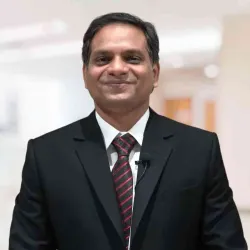
By Dr. Chetan Kalal — India’s First DM Hepatologist, International Liver Transplant Specialist
Introduction
In India today, fatty liver disease has quietly become one of the most common health problems. Almost 1 in 3 urban Indians is estimated to have fatty liver, often without any symptoms. It is now the leading cause of liver damage, cirrhosis, and even liver cancer — surpassing alcohol and viral hepatitis in many regions.
The good news? Fatty liver can be prevented and even reversed, especially if caught early. As a liver specialist, I see patients every day who are shocked to learn they have fatty liver despite never drinking alcohol. This blog explains why fatty liver is the “silent epidemic” of India, how you can recognise the risks, and what science-backed steps can help reverse it.
What is Fatty Liver Disease?
Fatty liver disease means excess fat has built up in your liver cells. There are two broad types:
Alcohol-related fatty liver disease (AFLD): due to heavy drinking.
Non-alcoholic fatty liver disease (NAFLD): now called Metabolic dysfunction-associated steatotic liver disease (MASLD), linked to obesity, diabetes, cholesterol, and lifestyle.
In India, NAFLD/MASLD is exploding due to rising rates of obesity, diabetes, and sedentary lifestyles.
Why Is Fatty Liver Rising in India?
Urban diet: refined carbs, fast food, sugary drinks, excess ghee/oil.
Lifestyle changes: long sitting hours, low physical activity.
Diabetes epidemic: India has over 100 million people with diabetes — and fatty liver often comes along with it.
Genetics: South Asians are more prone to insulin resistance and central obesity, making us more vulnerable.
Symptoms — Why It’s Called the “Silent Killer”
Most patients have no symptoms until the disease is advanced.
Some may feel:
Fatigue
Heaviness or dull pain on the right side
Occasional bloating
By the time jaundice, swelling, or confusion appear, liver damage may already be severe.
How Is Fatty Liver Diagnosed?
Blood tests: Liver enzymes (ALT, AST) may be mildly elevated.
Ultrasound: Most common first test.
FibroScan / MRI elastography: Measures liver stiffness and fat content — helps detect fibrosis (scarring).
Blood-based fibrosis scores (FIB-4, NFS): Non-invasive way to assess risk.
Regular health check-ups are vital for anyone with diabetes, obesity, or family history of liver disease.
Can Fatty Liver Be Reversed?
Yes. Early-stage fatty liver can be completely reversed with lifestyle change. Even patients with early scarring (fibrosis) can halt or slow disease progression.
Science-backed steps to reverse fatty liver:
Weight reduction: Losing 7–10% of body weight improves liver health.
Balanced diet:
Reduce refined carbs (white rice, maida, sugar).
Increase fruits, vegetables, high-fibre foods.
Use healthy oils in moderation (olive, mustard, groundnut).
Avoid excessive ghee, butter, fried food.
Exercise: At least 150 minutes/week of moderate activity (walking, cycling, yoga).
Control diabetes, BP, cholesterol: Strict medical follow-up.
No alcohol: Even small amounts can worsen fatty liver.
New therapies: Advanced drugs like GLP-1 agonists (semaglutide) and dual GLP-1/GIP agonists (tirzepatide) show promise in reducing liver fat and improving metabolic health.
When to See a Specialist?
Persistently abnormal liver tests.
Known diabetes or obesity with fatty liver on ultrasound.
Family history of cirrhosis or liver cancer.
Symptoms like jaundice, abdominal swelling, or confusion — may indicate advanced disease.
Timely consultation with a hepatologist can prevent cirrhosis and save lives.
FAQs
Q1. What are the early symptoms of fatty liver?
Most patients have no symptoms; some may feel fatigue or heaviness on the right side.
Q2. Can fatty liver be reversed naturally?
Yes. Weight loss, diet changes, exercise, and control of diabetes can reverse fatty liver.
Q3. Is ghee or curd safe for fatty liver?
Moderation is key. Excess ghee is harmful due to saturated fat, but curd (low-fat, unsweetened) can be part of a balanced diet.
Q4. Can fatty liver lead to cancer?
Yes. Advanced fatty liver can cause cirrhosis, which increases the risk of liver cancer (HCC).
Q5. Who should get tested for fatty liver?
People with obesity, diabetes, high cholesterol, or family history of liver disease should get screened regularly.
Closing Note
Fatty liver disease is now India’s biggest liver health challenge — but it is also one of the most preventable and reversible. With early diagnosis, lifestyle change, and timely medical care, most patients can protect their liver and avoid transplant.
As India’s first DM Hepatologist and a leading international liver transplant specialist, I strongly encourage everyone at risk to get screened early and take proactive steps for liver health.
Fatty Liver in Indians: The Silent Epidemic & How to Reverse It | Dr. Chetan Kalal
Fatty liver affects 1 in 3 Indians today. Learn from Dr. Chetan Kalal, India’s top hepatologist & liver transplant specialist, how to detect, reverse, and prevent fatty liver.