How Endoscopy Helps in Detecting Liver-Related GI Issues
Endoscopy is a minimally invasive yet highly effective procedure for diagnosing and managing gastrointestinal (GI) complications caused by liver disease. Many liver disorders, especially cirrhosis and portal hypertension, lead to severe GI problems such as variceal bleeding, stomach ulcers, and ascites-related infections.
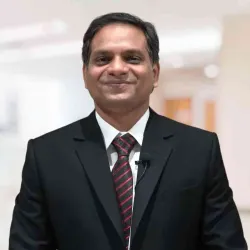
Dr. Chetan Kalal, one of India’s leading hepatologists and liver transplant specialists, emphasizes the importance of early endoscopic screening in patients with liver disease to prevent life-threatening complications.
🔍 What Is Endoscopy?
Endoscopy is a non-surgical procedure where a thin, flexible tube with a camera (endoscope) is inserted through the mouth (upper GI endoscopy) or rectum (colonoscopy) to examine the esophagus, stomach, and intestines.
📌 Types of Endoscopy for Liver Disease Patients:
🔹 Upper GI Endoscopy (Esophagogastroduodenoscopy - EGD) – To detect and treat esophageal and gastric varices, ulcers, and reflux.
🔹 Colonoscopy – To evaluate intestinal bleeding, portal hypertensive colopathy, and liver-related bowel changes.
🔹 Capsule Endoscopy – A pill-sized camera swallowed to capture images of the small intestine (used when standard endoscopy doesn’t provide clear results).
🩸 Why Is Endoscopy Important for Liver Patients?
Patients with cirrhosis, hepatitis, or portal hypertension are at risk of severe GI complications. Endoscopy helps in:
✅ Early Detection & Prevention of GI Bleeding
🔴 Esophageal & Gastric Varices: Cirrhosis increases pressure in the portal vein (portal hypertension), leading to swollen veins in the esophagus and stomach. These can rupture and cause life-threatening bleeding. Endoscopy allows early detection and preventive treatment (banding or sclerotherapy).
🔴 Portal Hypertensive Gastropathy (PHG): High portal pressure causes changes in the stomach lining, leading to slow, chronic bleeding. Endoscopy helps in diagnosing and managing this condition.
✅ Identifying Liver-Related GI Disorders
🔹 Peptic Ulcers & Gastritis: Chronic liver disease, medications, or increased stomach acid can cause ulcers, leading to pain, nausea, and bleeding.
🔹 Portal Hypertensive Colopathy: Inflammation and damage to the colon due to high portal pressure can cause diarrhea and blood in stools.
🔹 Hepatic Encephalopathy Triggers: GI bleeding can worsen hepatic encephalopathy, leading to confusion, memory loss, and coma. Early detection of bleeding sources helps prevent neurological decline.
✅ Endoscopic Treatment for Liver Disease Complications
🔵 Variceal Band Ligation (VBL): Small rubber bands are placed around varices to stop bleeding and prevent rupture.
🔵 Sclerotherapy: Injection of special medicine into varices to shrink them and stop bleeding.
🔵 Argon Plasma Coagulation (APC): A technique to control bleeding from gastric varices and PHG lesions.
🔵 Endoscopic Stenting: Used in cases of bile duct obstruction or gastric outlet obstruction due to liver disease.
🩺 Who Should Get an Endoscopy?
Patients with chronic liver disease, cirrhosis, or hepatitis should undergo regular endoscopic screening to detect early signs of GI complications.
📌 Endoscopy is recommended for:
✅ Cirrhosis patients with or without symptoms (as a preventive measure).
✅ Patients with upper GI bleeding symptoms (vomiting blood, black/tarry stools, anemia).
✅ Those with portal hypertension or known esophageal/gastric varices.
✅ Patients with unexplained nausea, bloating, acid reflux, or abdominal pain.
✅ Pre-Liver Transplant Patients to assess for potential complications.
⏳ Early screening can prevent severe complications like massive GI bleeding and hepatic encephalopathy!
🚨 Risks & Safety of Endoscopy
Endoscopy is a safe, outpatient procedure with minimal risks. However, some patients may experience:
⚠️ Sore throat or mild discomfort after the procedure.
⚠️ Rare risks of bleeding (if varices are treated) or infection.
⚠️ Adverse reactions to sedation (low blood pressure or dizziness).
📌 Endoscopy should always be performed by an experienced specialist to minimize risks and maximize patient safety.
📅 Preparing for an Endoscopy
🔹 Fasting (6-8 hours) before the procedure.
🔹 Avoid blood thinners (aspirin, clopidogrel) if advised by the doctor.
🔹 Discuss liver condition & medication history before the test.
🔹 Arrange for a ride home (due to sedation effects).
💡 Recovery is quick, and most patients can resume normal activities the same day!
🏥 Why Choose Dr. Chetan Kalal for Liver-Related Endoscopy in India?
🔹 One of India’s Top Hepatologists & Liver Transplant Experts
🔹 Extensive Experience in Liver-Related GI Complications
🔹 Advanced Endoscopic Techniques for Early Diagnosis & Treatment
🔹 Personalized Care for Cirrhosis & Liver Disease Patients
🔹 State-of-the-Art Equipment & Expertise in Managing Complex Cases
📞 Book a Liver Health & Endoscopy Consultation Today!
📍 Visit Dr. Chetan Kalal at Gleneagles Hospital, Mumbai
🔖 #LiverEndoscopy #GIHealth #VaricealBleeding #PortalHypertension #LiverCirrhosis #HepatologistIndia #DrChetanKalal #LiverCare #EsophagealVarices #GIBleeding #EndoscopicTreatment