Ascites Treatment | Effective Fluid Management for Liver Disease in Mumbai India service image
Ascites Treatment | Effective Fluid Management for Liver Disease in Mumbai India

Ascites Treatment | Advanced Fluid Management for Liver Disease At Gleneagles Hospital, Mumbai, we provide specialized treatment for ascites, a common complication of liver cirrhosis, portal hypertension, and other liver disorders. Our expert hepatologists use advanced diagnostic techniques and personalized treatment plans to manage fluid buildup effectively and improve patient outcomes. Our Ascites Treatment Services Include: ✅ Comprehensive Diagnosis – Ultrasound, paracentesis, and liver function tests. ✅ Medical Management – Diuretics, albumin therapy, and dietary modifications. ✅ Paracentesis (Fluid Drainage) – Safe and effective removal of excess abdominal fluid. ✅ TIPS Procedure (Transjugular Intrahepatic Portosystemic Shunt) – For refractory ascites and portal hypertension. ✅ Liver Transplant Evaluation – For end-stage liver disease cases. Why Choose Us? 🔹 Led by Dr. Chetan Kalal, Maharashtra’s First DM Hepatologist 🔹 State-of-the-Art Liver Care & Advanced Imaging 🔹 Multidisciplinary Approach for Optimal Patient Outcomes Book a Consultation Today for expert Ascites diagnosis and treatment in Mumbai India!

Regular monitoring for patients with chronic liver conditions. service image
Regular monitoring for patients with chronic liver conditions.

Service Type for Regular Monitoring of Chronic Liver Conditions 1. Chronic Liver Disease Management Service Description: Ongoing management of liver conditions such as cirrhosis, non-alcoholic fatty liver disease (NAFLD), chronic viral hepatitis (HBV/HCV), autoimmune liver diseases, and metabolic liver disorders. This includes regular check-ups, lab tests, imaging, and necessary adjustments to treatment protocols. Core Components: Regular liver function tests (LFTs) to track liver health and detect early signs of progression. Periodic imaging (e.g., ultrasound, FibroScan) to assess liver structure, detect liver fibrosis or cirrhosis, and monitor for complications. Monitoring of viral load and liver-specific markers (e.g., HBV DNA, HCV RNA) for viral hepatitis. Ongoing management and adjustment of antiviral therapy, lifestyle modifications, or pharmacotherapy for chronic liver diseases. Liver health education and counseling for patients to manage their conditions effectively. 2. Follow-up Care Service Description: Scheduled follow-up visits to ensure continuous monitoring of liver disease status. These appointments help in evaluating disease progression, assessing treatment responses, and preventing complications such as liver failure, variceal bleeding, or hepatocellular carcinoma. Core Components: Routine Check-ups: Regular visits to the hepatologist or liver care specialist for comprehensive evaluation. Liver Health Monitoring: Monitoring for signs of liver complications, such as ascites, hepatic encephalopathy, or jaundice. Management of Co-morbidities: Continuous management of associated conditions like diabetes, hypertension, and obesity that may worsen liver health. Dietary and Lifestyle Guidance: Recommendations for alcohol cessation, weight management, exercise, and dietary modifications. Patient Education: Ongoing education to empower patients in managing their chronic liver disease and improving quality of life. 3. Specialized Monitoring Programs Service Description: Tailored programs designed for specific chronic liver conditions, offering intensive follow-up and specialized monitoring. Core Components: Chronic Hepatitis Monitoring Program: Regular monitoring of liver enzymes, viral load, and liver function in patients with chronic Hepatitis B or C. Cirrhosis Surveillance Program: Regular ultrasounds, imaging, and screenings (e.g., for hepatocellular carcinoma) to detect complications of cirrhosis. NAFLD/NASH Program: Follow-up care to monitor progression of fatty liver disease, including regular FibroScan, LFTs, and lifestyle assessments. Post-transplant Monitoring: For liver transplant patients, regular post-operative monitoring of graft function, immunosuppressive therapy, and complications such as rejection or infection. 4. Remote Monitoring (Telemedicine Option) Service Description: Use of telehealth services for remote monitoring of liver patients, especially those with stable conditions, to ensure ongoing care and reduce the need for in-person visits. Core Components: Virtual consultations with hepatologists and specialists to review test results, assess treatment plans, and address patient concerns. Integration with patient health apps or portals for continuous tracking of liver biomarkers, medication adherence, and symptoms. Remote monitoring of liver health with wearable devices or home testing kits for specific liver function metrics. Benefits of Regular Monitoring: Early Detection of Complications: Regular monitoring ensures that potential complications like varices, liver cancer, or hepatic encephalopathy are detected early, allowing for timely interventions. Personalized Treatment Adjustments: Monitoring helps tailor treatment plans to the individual, adjusting medications, lifestyle interventions, and other therapies based on real-time health data. Improved Prognosis: Continuous follow-up improves overall health outcomes and quality of life by proactively managing the chronic liver disease.

Comprehensive evaluations for liver diseases service image
Comprehensive evaluations for liver diseases

Comprehensive Evaluations for Liver Diseases Clinical Evaluation: Detailed medical history, including alcohol consumption, family history, and risk factors. Physical examination to detect signs of liver disease (e.g., jaundice, ascites, hepatomegaly). Symptom assessment, such as fatigue, pain, or changes in digestion. Laboratory Tests: Liver Function Tests (LFTs): To evaluate liver enzymes, bilirubin, albumin, and clotting factors. Viral Hepatitis Panel: Tests for Hepatitis B, C, and other related viruses. Genetic Testing: For hereditary liver diseases (e.g., hemochromatosis, Wilson’s disease). Autoimmune Markers: For autoimmune liver diseases (e.g., ANA, anti-Smooth Muscle Antibodies). Imaging Studies: Ultrasound: For initial liver assessment, detection of cirrhosis, fatty liver, or tumors. CT/MRI: For more detailed imaging in advanced liver conditions, including liver cancers or metastases. Elastography (FibroScan): Non-invasive test to measure liver stiffness and fibrosis stage. CT Angiography/MRCP: For assessing the biliary system or vascular abnormalities. Biopsy and Histological Evaluation: Liver Biopsy: Performed when necessary to diagnose liver conditions such as cirrhosis, liver cancer, or unexplained liver enzyme elevation. Including these details under the Diagnostic Services category will give a comprehensive look at how liver diseases are evaluated, which helps in establishing the proper diagnosis and treatment plan.

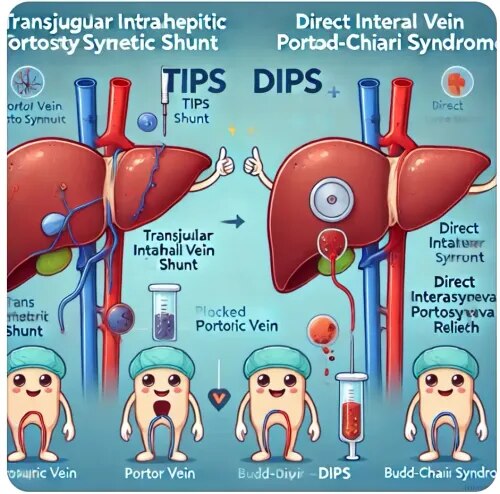
TIPS (Transjugular Intrahepatic Portosystemic Shunt) and DIPS (Direct Intrahepatic Portosystemic Shunt) service image
TIPS (Transjugular Intrahepatic Portosystemic Shunt) and DIPS (Direct Intrahepatic Portosystemic Shunt)

Advanced HepatoVascular & Shunt Therapy Program (Specialized TIPS/DIPS & Liver Circulation Management Service) 🔷 Service Overview: The HepatoVascular & Shunt Therapy Program is a cutting-edge, specialized service dedicated to the diagnosis, intervention, and long-term management of portal hypertension and hepatic vascular disorders. It integrates advanced imaging, precision diagnostics, and interventional therapies to optimize liver circulation, prevent complications, and improve patient outcomes. ________________________________________ 1️⃣ Comprehensive Diagnostic Evaluation (Liver Circulation & Portal Hypertension Assessment) Ensuring precise risk stratification and eligibility assessment for shunt procedures. ✔ Hepatic Venous Pressure Gradient (HVPG) Measurement → Gold standard for portal hypertension quantification. ✔ Doppler Ultrasound & CT Angiography → High-resolution vascular mapping & blood flow analysis. ✔ MRI-PDFF & Magnetic Resonance Elastography (MRE) → Accurate fibrosis staging & liver stiffness quantification. ✔ Liver Function & Metabolic Panel → HOMA-IR, HbA1c, ammonia levels, and comprehensive liver profiling. ________________________________________ 2️⃣ Interventional Hepatology & Liver Shunt Procedures (Therapeutic TIPS/DIPS Solutions) State-of-the-art minimally invasive interventions for patients with refractory complications. ✔ Transjugular Intrahepatic Portosystemic Shunt (TIPS) → Effective in reducing portal pressure, preventing bleeding, and managing ascites. ✔ Direct Intrahepatic Portosystemic Shunt (DIPS) → Alternative for cases with hepatic vein thrombosis (Budd-Chiari Syndrome). ✔ Precision-Guided Shunt Flow Optimization → Ensuring long-term patency while minimizing hepatic encephalopathy risk. ✔ Ascites & Variceal Bleeding Control Strategies → Reducing hospitalizations and improving survival rates. ________________________________________ 3️⃣ Post-Procedural Monitoring & Long-Term Hepatic Care (Comprehensive Follow-Up & Liver Health Optimization) Tailored, evidence-based aftercare to ensure optimal outcomes and prevent complications. ✔ Shunt Surveillance & Patency Checks → Routine Doppler USG, CT angiography, and HVPG monitoring. ✔ Hepatic Encephalopathy Prevention Program → Cognitive assessment, ammonia-lowering strategies, and neuroprotective nutrition plans. ✔ Liver Regeneration & Fibrosis Reversal Strategy → Optimizing nutrition, microbiome health, and metabolic balance. ✔ 24/7 Emergency Care & Complication Management → Dedicated support for shunt dysfunction, GI bleeding, or acute liver decompensation. ________________________________________ 🌍 Who Can Benefit from This Program? ✔ Patients with decompensated cirrhosis requiring shunt interventions. ✔ Individuals with refractory ascites, hydrothorax, or portal hypertension complications. ✔ High-risk patients for variceal bleeding & hepatic encephalopathy needing proactive management. ✔ Candidates for transplant requiring pre- and post-operative vascular optimization. ________________________________________ 🔹 Why Choose Our HepatoVascular & Shunt Therapy Program? 🔹 First-of-its-kind precision-driven liver circulation program led by hepatology experts. 🔹 Integrated diagnostic-to-therapeutic model ensuring seamless care from assessment to intervention. 🔹 State-of-the-art interventional radiology techniques for safer and more effective shunt placement. 🔹 Multidisciplinary expertise with a patient-centered approach to optimize liver health outcomes. 📍 Now Available at Gleneagles Hospital, Mumbai – Elevating Hepatology Care to the Next Level.

(Advanced Non-Surgical Treatment for Liver Tumors – TACE & TARE) service image
(Advanced Non-Surgical Treatment for Liver Tumors – TACE & TARE)

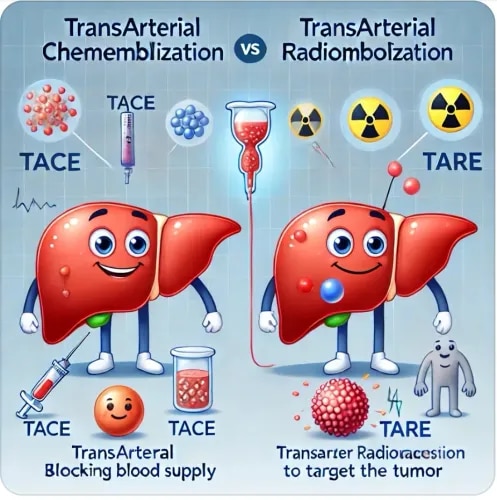
TACE vs. TARE for Liver Cancer (HCC) – Which One is Right for You? When it comes to treating liver cancer (Hepatocellular Carcinoma - HCC) in patients who can’t undergo surgery or a liver transplant, two advanced treatments stand out: Transarterial Chemoembolization (TACE) and Transarterial Radioembolization (TARE). But how do they differ, and which one is the best choice for you? Let’s break it down in simple terms. What Are TACE & TARE? ✔️ TACE (Transarterial Chemoembolization): A combination treatment where chemotherapy drugs are directly injected into the tumor's blood supply, followed by tiny particles that block the blood flow, starving the cancer. ✔️ TARE (Transarterial Radioembolization): Instead of chemo, tiny radioactive beads (Y-90 microspheres) are injected directly into the tumor, delivering a precise dose of radiation to kill cancer cells. Key Differences Between TACE & TARE FeatureTACE (Chemo + Blood Flow Blockage)TARE (Internal Radiation Therapy)How It Works?Uses chemo drugs & blocks blood supplyDelivers radiation directly inside the tumorBest for Tumors?Small to medium-sized tumorsLarger, more advanced tumorsNumber of Sessions?Requires multiple sessionsOften effective in one sessionSide Effects?Can cause pain, fever, nausea (Post-TACE Syndrome)Generally milder side effectsImpact on Liver?Can stress the liver, caution in cirrhosis patientsLess damage to liver functionHow Fast Does It Work?Tumor shrinks over weeks/monthsWorks faster, immediate tumor destruction Which Treatment Is Best for You? ✅ Choose TACE if: ✔️ Your tumor is small or medium-sized ✔️ You have good liver function ✔️ You’re okay with multiple treatment sessions ✅ Choose TARE if: ✔️ Your tumor is large or near major blood vessels ✔️ You have mild liver dysfunction (TARE is gentler) ✔️ You want fewer hospital visits (TARE often works in one go!) Final Takeaway Both TACE and TARE are effective for treating HCC, but TARE is emerging as a preferred option because it targets the tumor more precisely, works faster, and has fewer side effects. However, TACE is still widely used, especially in patients with multiple smaller tumors. If you or your loved one has liver cancer, consult a hepatologist or interventional oncologist to decide the best treatment plan for you. 🔍 #LiverCancer #HCCAwareness #TACEvsTARE #LiverTumorTreatment #HCCSurvival #MinimallyInvasive #InterventionalOncology #LiverTransplant #BestHepatologistMumbai #BestHepatologistIndia #BestHepatologistMaharashtra #BestHepatologistDubai #BestHepatologistGoa #BestHepatologistIndore #BestHepatologistAndheri #BestHepatologistBandra #BestHepatologistLokhandwala #BestHepatologistThane #BestHepatologistBorivali #DrChetanKalal #SaveYourLiver

Precision Liver Tumor Ablation Program (Microwave Ablation (MWA) vs. Radiofrequency Ablation (RFA)) service image
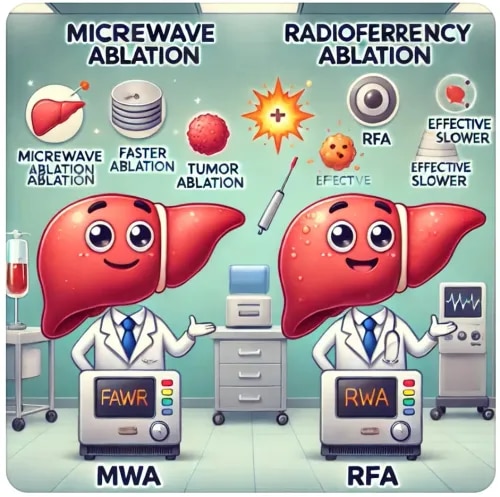
Precision Liver Tumor Ablation Program (Microwave Ablation (MWA) vs. Radiofrequency Ablation (RFA))

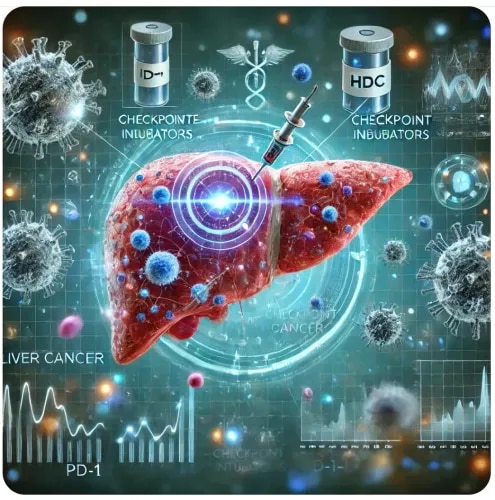
Immunotherapy in Liver Cancer (HCC) – A New Hope for Patients Liver cancer, specifically hepatocellular carcinoma (HCC), has always been tough to treat, especially in advanced stages. Many patients face limited options beyond surgery, liver transplant, or traditional targeted therapies like sorafenib. But now, immunotherapy is changing the game, offering new hope for those battling HCC. What is Immunotherapy & How Does It Work? Immunotherapy helps your body's own immune system recognize and destroy cancer cells, something it often struggles to do on its own. Here’s how it works: ✔️ Checkpoint Inhibitors (ICIs): Drugs like Atezolizumab (anti-PD-L1), Nivolumab, and Pembrolizumab (anti-PD-1) "wake up" the immune system, allowing it to fight liver cancer more effectively. ✔️ Combination Therapy: Atezolizumab + Bevacizumab is now a gold standard treatment for advanced HCC, helping patients live longer with better quality of life. ✔️ CAR-T Cell Therapy: A groundbreaking approach where immune cells are reprogrammed to attack HCC tumors (still under research but showing promise). ✔️ Cancer Vaccines & Immune Cell Therapy: New experimental treatments that train your immune system to recognize and fight liver cancer. Why Immunotherapy is a Game-Changer for HCC ✅ Longer Survival: Many patients with advanced liver cancer now live longer than ever before. ✅ Better Liver Transplant Outcomes: Can prevent recurrence in transplant patients. ✅ Fewer Side Effects: Compared to chemotherapy, immunotherapy is less toxic and easier on the body. ✅ Works for Advanced HCC: Even if surgery or a transplant isn’t an option, immunotherapy might help slow the disease and improve quality of life. Who Should Consider Immunotherapy? If you or a loved one has liver cancer that’s inoperable, advanced, or hasn’t responded to other treatments, immunotherapy might be a life-changing option. Find the Best Liver Cancer Specialists Liver cancer treatment is evolving rapidly. Consult a leading hepatologist or oncologist today to explore if immunotherapy is right for you. 🔍 #LiverCancer #HCCAwareness #Immunotherapy #HepatocellularCarcinoma #LiverHealth #CancerTreatment #HCCSurvival #LiverTransplant #BestHepatologistMumbai #BestHepatologistIndia #BestHepatologistMaharashtra #BestHepatologistDubai #BestHepatologistGoa #BestHepatologistIndore #BestHepatologistAndheri #BestHepatologistBandra #BestHepatologistLokhandwala #BestHepatologistThane #BestHepatologistBorivali #DrChetanKalal #HCCImmunotherapy #SaveYourLiver

Advanced Immunotherapy for Liver Diseases & Cancer service image
Advanced Immunotherapy for Liver Diseases & Cancer

Immunotherapy in Liver Cancer (HCC) – A New Hope for Patients Liver cancer, specifically hepatocellular carcinoma (HCC), has always been tough to treat, especially in advanced stages. Many patients face limited options beyond surgery, liver transplant, or traditional targeted therapies like sorafenib. But now, immunotherapy is changing the game, offering new hope for those battling HCC. What is Immunotherapy & How Does It Work? Immunotherapy helps your body's own immune system recognize and destroy cancer cells, something it often struggles to do on its own. Here’s how it works: ✔️ Checkpoint Inhibitors (ICIs): Drugs like Atezolizumab (anti-PD-L1), Nivolumab, and Pembrolizumab (anti-PD-1) "wake up" the immune system, allowing it to fight liver cancer more effectively. ✔️ Combination Therapy: Atezolizumab + Bevacizumab is now a gold standard treatment for advanced HCC, helping patients live longer with better quality of life. ✔️ CAR-T Cell Therapy: A groundbreaking approach where immune cells are reprogrammed to attack HCC tumors (still under research but showing promise). ✔️ Cancer Vaccines & Immune Cell Therapy: New experimental treatments that train your immune system to recognize and fight liver cancer. Why Immunotherapy is a Game-Changer for HCC ✅ Longer Survival: Many patients with advanced liver cancer now live longer than ever before. ✅ Better Liver Transplant Outcomes: Can prevent recurrence in transplant patients. ✅ Fewer Side Effects: Compared to chemotherapy, immunotherapy is less toxic and easier on the body. ✅ Works for Advanced HCC: Even if surgery or a transplant isn’t an option, immunotherapy might help slow the disease and improve quality of life. Who Should Consider Immunotherapy? If you or a loved one has liver cancer that’s inoperable, advanced, or hasn’t responded to other treatments, immunotherapy might be a life-changing option. Find the Best Liver Cancer Specialists Liver cancer treatment is evolving rapidly. Consult a leading hepatologist or oncologist today to explore if immunotherapy is right for you. 🔍 #LiverCancer #HCCAwareness #Immunotherapy #HepatocellularCarcinoma #LiverHealth #CancerTreatment #HCCSurvival #LiverTransplant #BestHepatologistMumbai #BestHepatologistIndia #BestHepatologistMaharashtra #BestHepatologistDubai #BestHepatologistGoa #BestHepatologistIndore #BestHepatologistAndheri #BestHepatologistBandra #BestHepatologistLokhandwala #BestHepatologistThane #BestHepatologistBorivali #DrChetanKalal #HCCImmunotherapy #SaveYourLiver

MR Elastography Liver Scan | Advanced Liver Fibrosis & Fatty Liver Diagnosis service image
MR Elastography Liver Scan | Advanced Liver Fibrosis & Fatty Liver Diagnosis

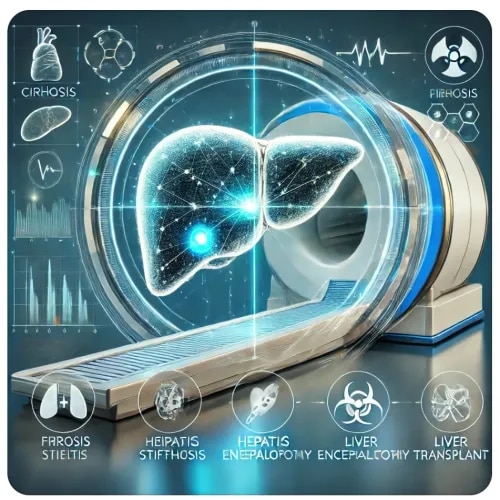
Magnetic Resonance Elastography (MRE) – A Breakthrough in Liver Health & Transplant Evaluation Liver diseases like fatty liver, cirrhosis, and fibrosis often progress silently, leading to severe complications, including hepatic encephalopathy (HE) and liver failure. Magnetic Resonance Elastography (MRE) is a revolutionary, non-invasive technology that helps detect and stage liver fibrosis early—without the risks of a liver biopsy. MRE provides highly accurate liver stiffness mapping, making it superior to FibroScan, especially for obese patients, those with ascites, and liver transplant candidates. This advanced imaging tool is crucial in pre-transplant evaluation and post-transplant monitoring, ensuring the best outcomes for liver transplant recipients. Why is MRE Essential for Liver Patients? ✔️ No Needles, No Pain – Completely Non-Invasive ✔️ Detects Fibrosis & Cirrhosis Before Symptoms Appear ✔️ More Accurate Than FibroScan – Even for Complex Cases ✔️ Helps Identify Candidates for Liver Transplant ✔️ Monitors Transplanted Liver Health – Prevents Rejection & Complications ✔️ Plays a Key Role in Liver Cancer (HCC) Detection & Surveillance If you or a loved one suffers from chronic liver disease, cirrhosis, or is awaiting a liver transplant, early screening with MRE can help delay disease progression and improve transplant outcomes. Consult the best hepatologist and liver transplant specialist near you for expert care and timely intervention. 🔍 #HepaticEncephalopathy #LiverHealth #Cirrhosis #BrainFog #HEAwareness #EndStageLiverDisease #LiverTransplant #LiverTransplantIndia #LiverTransplantMumbai #LiverTransplantSuccess #LiverTransplantCare #BestHepatologistMumbai #BestHepatologistIndia #BestHepatologistMaharashtra #BestHepatologistDubai #BestHepatologistGoa #BestHepatologistIndore #BestHepatologistAndheri #BestHepatologistBandra #BestHepatologistLokhandwala #BestHepatologistThane #BestHepatologistBorivali #DrChetanKalal #LiverFibrosis #MRE #LiverScan #LiverSpecialist #LiverFibrosisTest #EarlyLiverDiagnosis #LiverTransplantRecovery #LiverTransplantSupport #SaveYourLiver

Hepatic Encephalopathy Treatment | Early Diagnosis & Management in Mumbai and India service image
Hepatic Encephalopathy Treatment | Early Diagnosis & Management in Mumbai and India

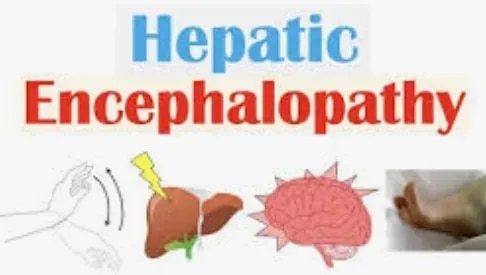
Hepatic Encephalopathy (HE): A Serious Neurological Complication of Liver Disease Hepatic Encephalopathy (HE) is a reversible but potentially life-threatening condition caused by liver dysfunction. It occurs when the liver fails to detoxify ammonia and other neurotoxins, leading to their accumulation in the brain. HE is common in advanced liver disease, cirrhosis, and acute liver failure, affecting cognitive function, behavior, and motor skills. If left untreated, HE can progress to coma and death. Causes & Risk Factors of HE 🔹 Cirrhosis & Portal Hypertension: Impaired liver function leads to toxin buildup. 🔹 Gastrointestinal Bleeding: Increases nitrogen load and ammonia production. 🔹 Infections & Sepsis: Common triggers for HE episodes. 🔹 Electrolyte Imbalance & Dehydration: Worsens brain dysfunction. 🔹 Excess Protein Intake in Advanced Liver Disease: Can elevate ammonia levels. 🔹 Constipation & Kidney Dysfunction: Slows toxin excretion, increasing HE risk. Signs & Symptoms of Hepatic Encephalopathy ⚠️ Stage 1: Mild confusion, sleep disturbances, subtle personality changes. ⚠️ Stage 2: Lethargy, tremors, slurred speech, asterixis (flapping hand tremor). ⚠️ Stage 3: Marked disorientation, bizarre behavior, muscle rigidity. ⚠️ Stage 4: Coma, unresponsiveness, high risk of mortality. Diagnosis of HE ✅ Ammonia Levels: Elevated in HE but not always diagnostic. ✅ Critical Flicker Frequency (CFF) Testing: Detects Minimal HE (MHE) before symptoms appear. ✅ Neuropsychological Tests: Assess cognitive impairment. ✅ EEG (Electroencephalography): Shows brain wave abnormalities. Treatment & Management of HE 🔹 Lactulose: First-line therapy; reduces ammonia absorption in the gut. 🔹 Rifaximin: An antibiotic that alters gut bacteria, reducing ammonia production. 🔹 Probiotics & Zinc Supplementation: Improve gut health and ammonia metabolism. 🔹 Managing Triggers: Control infections, correct electrolyte imbalances, and prevent GI bleeding. 🔹 Protein Adjustment: Balanced intake to avoid malnutrition without worsening HE. 🔹 Liver Transplant: Definitive cure for recurrent or severe HE. Why Early Detection & Treatment Matters? 📌 Minimal Hepatic Encephalopathy (MHE) affects 30-80% of cirrhosis patients, impairing concentration, reflexes, and driving ability—increasing accident risk. Regular screening & early intervention can prevent severe HE and improve quality of life! 💡 If you or a loved one have cirrhosis, watch for early signs of HE and consult a hepatologist today! #HepaticEncephalopathy #LiverHealth #Cirrhosis #BrainFog #HEAwareness #EndStageLiverDisease #BestHepatologistMumbai #BestHepatologistIndia #BestHepatologistMaharashtra #BestHepatologistDubai #BestHepatologistGoa #BestHepatologistIndore #BestHepatologistAndheri #BestHepatologistBandra #BestHepatologistLokhandwala #BestHepatologistThane #BestHepatologistBorivali #DrChetanKalal

Variceal Bleeding & Melena Treatment | GI Bleed Management in Mumbai service image
Variceal Bleeding & Melena Treatment | GI Bleed Management in Mumbai

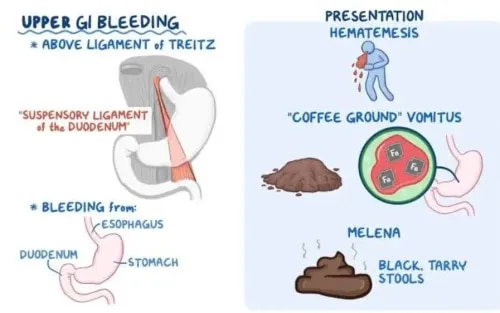
Malena & Variceal Bleeding: Life-Threatening GI Emergencies in Liver Disease Malena (black, tarry stools) and variceal bleeding are serious complications of advanced liver disease and portal hypertension. These conditions can lead to severe blood loss, shock, and even death if not treated promptly. Variceal bleeding is a major cause of upper gastrointestinal (GI) hemorrhage in patients with cirrhosis, making early diagnosis and intervention crucial. What Causes Malena & Variceal Bleeding? 🔹 Esophageal & Gastric Varices: Dilated veins in the esophagus or stomach due to portal hypertension. 🔹 Peptic Ulcers: Common in cirrhosis, leading to GI bleeding. 🔹 Gastric Erosions or Portal Hypertensive Gastropathy: Caused by increased pressure in stomach vessels. 🔹 Coagulopathy in Liver Disease: Impaired clotting increases the risk of GI bleeding. Clinical Features & Warning Signs ⚠️ Malena (Black, Tarry Stools): Indicates slow upper GI bleeding. ⚠️ Hematemesis (Vomiting Blood): Suggests active variceal or peptic ulcer bleed. ⚠️ Shock Symptoms: Low blood pressure, rapid heart rate, dizziness, and confusion. ⚠️ Abdominal Pain & Weakness: Suggests significant blood loss. Emergency Diagnosis & Assessment ✅ Upper GI Endoscopy (EGD): Gold standard to detect and treat varices or ulcers. ✅ Hemoglobin & Hematocrit Levels: Monitor severity of blood loss. ✅ Liver Function Tests: Assess cirrhosis and clotting abnormalities. ✅ Portal Hypertension Workup: FibroScan, ultrasound Doppler, and HVPG measurement. Immediate Treatment & Management 🔹 Resuscitation & Hemodynamic Stabilization: IV fluids, blood transfusion if needed. 🔹 Endoscopic Therapy: Band Ligation (EVL): First-line for esophageal varices. Sclerotherapy or Cyanoacrylate Injection: For gastric varices. 🔹 Medications to Reduce Bleeding: Octreotide/Terlipressin: Reduces portal pressure. Beta-Blockers (Propranolol, Carvedilol): Prevent future bleeding episodes. 🔹 Transjugular Intrahepatic Portosystemic Shunt (TIPS): For recurrent or refractory variceal bleeding. 🔹 Liver Transplant: Definitive cure for cirrhosis-related portal hypertension. Why Early Intervention Matters? 📌 untreated Variceal bleeding has a high mortality rate (~20-30%) with each episode. Lifelong surveillance & preventive therapy are crucial in cirrhosis patients. 💡 Have cirrhosis or portal hypertension? Get screened for varices and prevent life-threatening GI bleeds! #VaricealBleed #GIEmergency #LiverHealth #Cirrhosis #PortalHypertension #Endoscopy #BestHepatologistMumbai #BestHepatologistIndia #BestHepatologistMaharashtra #BestHepatologistDubai #BestHepatologistGoa #BestHepatologistIndore #BestHepatologistAndheri #BestHepatologistBandra #BestHepatologistLokhandwala #BestHepatologistThane #BestHepatologistBorivali #DrChetanKalal

Wilson Disease  service image
Wilson Disease

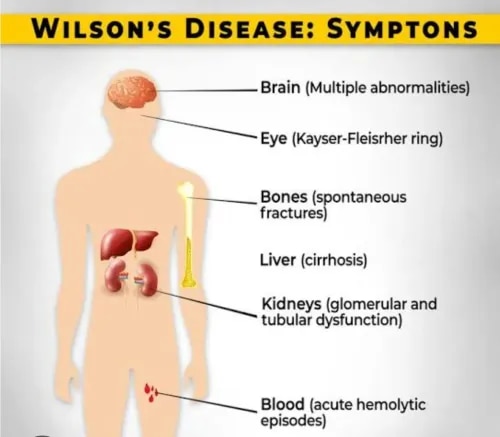
Wilson Disease: A Rare but Treatable Genetic Liver Disorder Wilson Disease (WD) is a rare autosomal recessive disorder caused by mutations in the ATP7B gene, leading to defective copper metabolism. This results in excess copper accumulation in the liver, brain, eyes, and other organs, causing progressive organ damage. If left untreated, Wilson Disease can lead to liver failure, neurological impairment, and even death. Pathophysiology & Disease Progression In a healthy individual, excess dietary copper is excreted through bile. However, in Wilson Disease, the copper-transporting ATPase (ATP7B) in hepatocytes fails to function properly, leading to: ✔️ Copper accumulation in the liver → Causes inflammation, fibrosis, cirrhosis, and acute liver failure. ✔️ Copper release into the bloodstream → Deposits in the brain, causing movement disorders, psychiatric symptoms, and cognitive decline. ✔️ Kayser-Fleischer (KF) Rings → Copper deposition in the cornea, a hallmark feature of WD. Clinical Features of Wilson Disease 🟠 Hepatic Symptoms: Chronic hepatitis, cirrhosis, acute liver failure (ALF), hepatosplenomegaly. 🟠 Neurological Symptoms: Tremors, dystonia, dysarthria, ataxia, parkinsonism-like features. 🟠 Psychiatric Symptoms: Depression, anxiety, personality changes, cognitive impairment. 🟠 Ophthalmologic Signs: Kayser-Fleischer rings (copper deposits in the cornea). 🟠 Renal & Hematologic Involvement: Hemolytic anemia, renal tubular dysfunction. Diagnosis of Wilson Disease ✅ Serum Ceruloplasmin: Low (<20 mg/dL) in most patients. ✅ Serum Free Copper: Elevated due to reduced ceruloplasmin binding. ✅ 24-hour Urinary Copper Excretion: >100 µg/day in symptomatic patients. ✅ Hepatic Copper Quantification: >250 µg/g dry weight in liver biopsy confirms diagnosis. ✅ Genetic Testing: Identifies ATP7B mutations, aiding in family screening. Treatment & Management 🔹 Chelation Therapy (First-Line Treatment) D-Penicillamine – Promotes urinary copper excretion, but may cause nephrotoxicity and bone marrow suppression. Trientine (Safer Alternative) – Fewer side effects, preferred for intolerance to penicillamine. 🔹 Zinc Therapy (Maintenance & Pre-Symptomatic Cases) Blocks intestinal copper absorption by upregulating metallothionein. Used in asymptomatic or mild cases and for long-term maintenance after chelation. 🔹 Liver Transplantation (For End-Stage Liver Disease) Cures Wilson Disease, recommended in cases of acute liver failure or decompensated cirrhosis. Post-transplant survival rates exceed 80-90%. Why Early Diagnosis Matters? 📌 Wilson Disease is Treatable! Early detection and lifelong treatment can prevent liver failure and neurological damage, ensuring normal life expectancy. If you or a family member have unexplained liver disease or neurological symptoms, consult a Hepatologist & Wilson Disease Specialist immediately! #WilsonDisease #LiverHealth #GeneticDisorder #CopperMetabolism #Hepatology #Neurology #BestHepatologistIndia #DrChetanKalal #besthepatologistmumbai #besthepatologistandheri #besthepatologistbandra

Hepatocellular Carcinoma Or HCC service image
Hepatocellular Carcinoma Or HCC

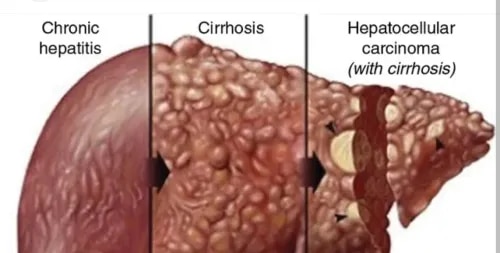
Hepatocellular Carcinoma (HCC): The Silent Threat in Liver Disease Hepatocellular Carcinoma (HCC) is the most common primary liver cancer, often developing in patients with cirrhosis and chronic liver disease. It is a leading cause of cancer-related deaths, especially in India, where Hepatitis B, Hepatitis C, MAFLD, and alcohol-related liver disease are major risk factors. Early detection is critical, as survival depends on timely intervention. Who is at Risk? 🔹 Cirrhosis (Any Cause) – The strongest predictor of HCC. 🔹 Hepatitis B & C Infection – Even without cirrhosis, increases cancer risk. 🔹 Metabolic-Associated Fatty Liver Disease (MAFLD) – A rising cause of liver cancer in India. 🔹 Alcohol & Aflatoxin Exposure – Common in high-risk regions. How Does HCC Present? ⚠️ Early Stages: Often silent, detected only on routine liver screening. ⚠️ Advanced: Weight loss, persistent pain in the upper abdomen, jaundice, and swelling. ⚠️ Severe: Tumor rupture, internal bleeding, liver failure. HCC Diagnosis & Treatment: ✔️ Regular Screening: 6-monthly ultrasound & AFP testing for high-risk patients. ✔️ Triphasic CT/MRI Scan: Gold standard for HCC detection. ✔️ Curative Options (Early HCC): Liver resection or liver transplant. ✔️ Advanced HCC Treatment: 🔹 Transarterial Chemoembolization (TACE) – Shrinks tumors in unresectable cases. 🔹 Targeted Therapy (Sorafenib, Lenvatinib) & Immunotherapy – For metastatic cases. Why Choose Dr. Chetan Kalal for HCC Management? 🏥 India’s Leading Hepatologist & Liver Cancer Specialist 🔬 Expert in Advanced HCC Therapies & Liver Transplantation ⚕️ High Success Rates in Managing Complex Liver Cancer Cases 💡 HCC is aggressive but treatable if caught early—Don't Delay Screening & Expert Care! #DrChetanKalal #BestHepatologistIndia #BestHepatologistInMumbai #LiverCancer #HCC #Cirrhosis #Hepatitis #HepatologyExpert #LiverTransplant

Subcategory Tags

#AbdominalFluidDrainage#AdvancedLiverImaging#AdvancedMedicalCare#AscitesTreatment#AutoimmuneLiverDisease#BestGastroenterologistMumbai#BestHepatologistMumbai#BestJaundiceDoctorMumbai#BestLiverScanMumbai#BestLiverSpecialistMumbai#BestLiverTransplantMumbai#BileDuctObstruction#CancerImmunotherapy#CirrhosisComplications#CirrhosisScreening#CirrhosisTreatment#CognitiveTestingForLiverDisease#CriticalFlickerFrequencyTest#DeceasedDonorLiverTransplant#EarlyHEDetection#EmergencyGI Care#EndStageLiverDisease#EndoscopyForGI Bleed#EsophagealVarices#FattyLiverDiagnosis#FibrosisDetection#FluidRetentionTreatment#GI BleedingTreatment#GallbladderAndLiverCare#GleneaglesHospitalMumbai#HEDiagnosis#HematemesisTreatment#HepaticEncephalopathy#HepaticEncephalopathyTreatment#HepatitisTreatment#HepatologyAndGastroenterology#HepatologyAndTransplantCare#HepatologyCare#HepatologyDiagnostics#HepatologyExperts#HepatologyTreatmentIndia#ImmunotherapyForLiverDisease#ImmunotherapyTreatment#JaundiceCauses#JaundiceDiagnosis#JaundiceRecovery#JaundiceTreatment#LiverBrainConnection#LiverCancerTreatment#LiverCirrhosisComplications#LiverDiseaseAssessment#LiverDiseaseManagement#LiverDiseaseTreatment#LiverFailureTreatment#LiverFibrosisScan#LiverFunctionTests#LiverHealthCare#LiverHealthCheckup#LiverHealthMatters#LiverStiffnessMeasurement

Contact Us

Live Chat

Connect over WhatsApp to resolve your queries realtime.