Ascites service image
Ascites

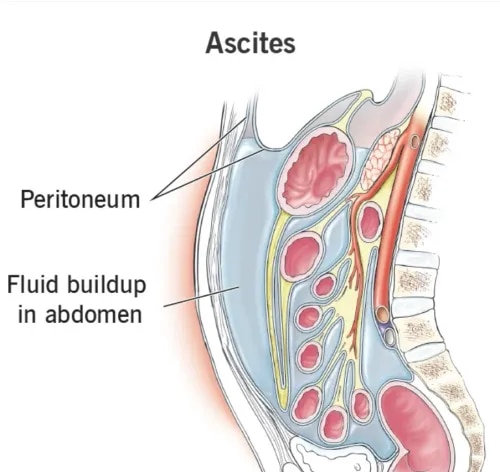
Ascites: A Warning Sign of Advanced Liver Disease Ascites is the abnormal accumulation of fluid in the abdominal cavity, most commonly due to advanced liver disease (cirrhosis). It indicates portal hypertension and liver dysfunction, requiring immediate medical attention. Left untreated, ascites can lead to life-threatening complications such as spontaneous bacterial peritonitis (SBP), hepatorenal syndrome (HRS), and respiratory distress. Common Causes of Ascites: 🔹 Cirrhosis (Most Common in India & Worldwide) – Alcohol, Hepatitis B/C, MAFLD. 🔹 Cancer (Malignant Ascites) – Ovarian, pancreatic, or liver cancer. 🔹 Tuberculous Peritonitis – A significant cause in India, often misdiagnosed. 🔹 Heart & Kidney Disease – Cardiac failure, nephrotic syndrome. How to Recognize Ascites? ⚠️ Early Symptoms: Mild abdominal bloating, weight gain. ⚠️ Moderate: Visible abdominal distension, early satiety, breathlessness. ⚠️ Severe: Extreme swelling, hernias, leg edema, difficulty breathing. Management & Treatment Approach: ✔️ Sodium Restriction (<2g/day) & Diuretics (Spironolactone, Furosemide) – First-line therapy. ✔️ Therapeutic Paracentesis (Large-Volume Tapping) – For severe cases. ✔️ Albumin Infusion – Prevents kidney injury after tapping. ✔️ Transjugular Intrahepatic Portosystemic Shunt (TIPS) – For refractory cases. ✔️ Liver Transplant – The Ultimate Cure for Cirrhosis-Related Ascites. Why Trust Dr. Chetan Kalal for Ascites Management? 🏥 Mumbai’s Leading Hepatologist & Liver Transplant Expert 🔬 Pioneering Advanced Cirrhosis & Ascites Care ⚕️ Expert in Managing Complex Liver Conditions with Proven Success Rates 💡 Uncontrolled ascites is a serious warning sign—Seek Expert Hepatology Care Now! #DrChetanKalal #BestHepatologistInMumbai #LiverCare #Cirrhosis #Ascites #LiverHealth #HepatologyExpert #LiverTransplant #besthepatologistindia

ALF service image
ALF

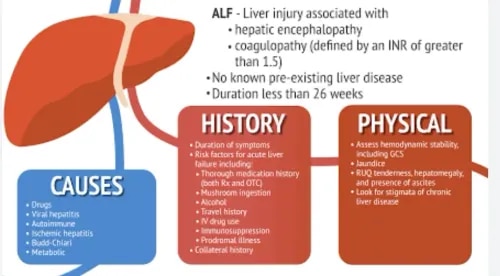
Acute Liver Failure (ALF): A Race Against Time Acute Liver Failure (ALF) is a life-threatening condition characterized by rapid deterioration of liver function in a previously healthy individual, leading to coagulopathy (INR ≥1.5) and hepatic encephalopathy within days to weeks. Unlike chronic liver disease, ALF requires urgent recognition and intervention, often determining life or death within hours. Common Causes of ALF in India & Globally: 🔹 Viral Hepatitis (Hepatitis A, B, E) – Leading cause in India. 🔹 Drug-Induced Liver Injury (DILI) – Paracetamol overdose (Western countries) & herbal/alternative medicines (India). 🔹 Autoimmune Hepatitis & Wilson’s Disease – Often missed but crucial to diagnose early. 🔹 Ischemic Hepatitis & Sepsis-Related Injury – Seen in critically ill patients. How ALF Progresses – The Danger of Delay: ⚠️ Stage 1: Mild Confusion, Fatigue – Patients may ignore symptoms. ⚠️ Stage 2: Drowsiness, Jaundice, INR > 2.0 – Liver function worsening, ICU needed. ⚠️ Stage 3: Severe Encephalopathy, Multi-Organ Dysfunction – High mortality if not treated aggressively. ALF Management: The Critical Approach ✔️ Early ICU Admission – Multisystem support (hepatic, renal, neurological). ✔️ Specific Therapy: NAC for paracetamol toxicity, steroids for autoimmune ALF. ✔️ Liver Transplant – The Last Resort: Survival >70% if done in time. Why Choose Dr. Chetan Kalal for ALF Care? 🏥 Mumbai’s Leading Hepatologist & Transplant Expert 🔬 Pioneer in Advanced ALF Management & Liver ICU Protocols ⚕️ High Success Rates in Managing Complex Liver Cases 💡 Every Minute Counts in ALF. Seek Expert Care Immediately! #DrChetanKalal #BestHepatologistInMumbai #LiverFailure #AcuteLiverFailure #LiverTransplant #HepatologyExpert #LiverICU #SaveLives #besthepatologistindia

Fibroscan  service image
Fibroscan

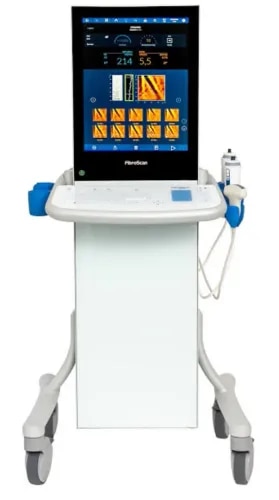
FibroScan: The Gold Standard for Non-Invasive Liver Assessment FibroScan (Transient Elastography) is an advanced, non-invasive diagnostic tool used to assess liver stiffness and fat content, playing a crucial role in evaluating chronic liver diseases such as MAFLD, viral hepatitis, alcohol-related liver disease, and cirrhosis. By measuring Liver Stiffness Measurement (LSM) in kilopascals (kPa) and Controlled Attenuation Parameter (CAP) in dB/m, FibroScan helps quantify fibrosis (scarring) and steatosis (fat accumulation) with high accuracy, reducing the need for liver biopsies. Key Features & Clinical Utility: 🔹 Quick & Painless: Takes 5-10 minutes, performed at the bedside, and requires no sedation. 🔹 Early Detection: Identifies fibrosis progression in at-risk populations before symptoms appear. 🔹 Risk Stratification: Differentiates between simple fatty liver and advanced fibrosis/cirrhosis, guiding treatment decisions. 🔹 Monitoring Tool: Tracks liver disease progression or regression post-intervention (weight loss, antiviral therapy, or metabolic control). Interpreting Results: ✔️ CAP Score (dB/m): <248 dB/m: Minimal or no fat 248–280 dB/m: Mild steatosis >280 dB/m: Significant fat accumulation (severe steatosis) ✔️ LSM (kPa): <7 kPa: No/mild fibrosis 7-12 kPa: Moderate fibrosis (F2-F3) >12 kPa: Advanced fibrosis/cirrhosis (F4) Why It Matters? With the rising burden of MAFLD & liver-related complications, FibroScan is transforming hepatology practice—allowing early diagnosis, risk prediction, and personalized liver care without invasive procedures. #FibroScan #LiverHealth #FattyLiver #Cirrhosis #Hepatology #NonInvasiveTesting #PrecisionMedicine #drchetankalal #besthepatologistmumbai # besthepatologistindia

Portal hypertension service image
Portal hypertension

Portal hypertension is an increase in the blood pressure within a system of veins called the portal venous system. Veins coming from the stomach, intestine, spleen, and pancreas merge into the portal vein, which then branches into smaller vessels and travels through the liver. If the vessels in the liver are blocked due to liver damage, blood cannot flow properly through the liver. As a result, high pressure in the portal system develops. This increased pressure in the portal vein may lead to the development of large, swollen veins (varices) within the oesophagus, stomach, rectum, or umbilical area (belly button). Varices can rupture and bleed, resulting in potentially life-threatening complications. To avoid these complications meet Dr Chetan Kalal he is a Portal Hypertension Specialist in Mumbai, Maharashtra. And he is giving Portal hypertension treatment in South Mumbai also. Visit and take a Consultation from Dr. Chetan Kalal. The most common cause of portal hypertension is cirrhosis of the liver. Cirrhosis is scarring which accompanies the healing of liver injury caused by hepatitis, alcohol, or other less common causes of liver damage. In cirrhosis, the scar tissue blocks the flow of blood through the liver. Other causes of portal hypertension include blood clots in the portal vein, blockages of the veins that carry the blood from the liver to the heart, a parasitic infection called schistosomiasis, and focal nodular hyperplasia, a disease seen in people infected with HIV, the virus that may lead to AIDS. Sometimes the cause is unknown.

Sepsis in Cirrhosis service image
Sepsis in Cirrhosis

In cirrhosis of the liver, the liver tissue starts to break down or decay. This healthy tissue is then reinstated with scar tissue. The scar tissue doesn’t allow blood to flow to the healthy parts of the liver. The damaged parts of the liver may reform in the early stages of the disease, as the damage spreads, the liver’s ability to fix itself downfalls. HOW DO YOU SUFFER FROM CIRRHOSIS OF THE LIVER? Cirrhosis of the liver is a lifelong liver disease. The most common cause of cirrhosis of the liver is because of alcohol abuse and hepatitis C infection. A few other causes include: Hepatitis B and Hepatitis D Non-alcoholic fatty liver disease Infection Specific inherited diseases If you find out any symptoms related to Cirrhosis or its infection you can get treated from Dr Chetan Kalal, is Sepsis in Cirrhosis treatment in Mumbai, Maharashtra? Sepsis in cirrhosis Certain liver disorders, such as cirrhosis of the liver, can increase your risk of growing infection and sepsis. Sometimes wrongly called blood poisoning, sepsis is often the body’s deadly answer to infection. Sepsis requires early detection and rapid treatment. Dr Chetan Kalal is giving Sepsis in cirrhosis treatment in Mumbai, Maharashtra. Sepsis and septic shock can result from an infection anywhere in the body, such as pneumonia, influenza, or urinary tract infections. Worldwide, one-third of people who develop sepsis die. Many who do survive are left with life-changing effects, such as post-traumatic stress disorder (PTSD), chronic pain and fatigue, organ dysfunction (organs don’t work properly) and/or amputations. DEFINITION OF SEPSIS- Sepsis is an inflammatory reply to the presence of infection. Sepsis becomes severe when it is associated with organ dysfunction. Patients suffering from cirrhosis are prone to develop sepsis. Cirrhotic patients are especially responsive to bacterial infections because of developed bacterial translocation, possibly related to liver dysfunction. Liver dysfunction after sepsis is an independent risk factor for multiple organ dysfunction and sepsis-induced death. … Acting as a double-edged sword in sepsis, the liver-mediated immune response is responsible for clearing bacteria and toxins but also causes inflammation, immunosuppression, and organ damage.

Nonalcoholic steatohepatitis (NASH) service image
Nonalcoholic steatohepatitis (NASH)

NASH, a potentially dangerous kind of liver disease, appears in those who use little to no alcohol. “Non-alcoholic steatohepatitis” is the meaning of the abbreviation. If the amount of fat in the liver exceeds 5% of its weight, a condition known as steatosis—also known as fatty liver—is diagnosed. When a person has NASH, their liver has a large proportion of fat but is also bloated and damaged, which can result in fibrosis or scarring. Cirrhosis, which results in long-term liver damage, could develop if this scarring is exceedingly severe. NASH is a subtype of NAFLD, which may be the most prevalent chronic liver disease in developed countries like the United States. NAFLD may affect up to 25% of adults in the US. About 80% of this group. Most individuals with NASH and other types of NAFLD don’t exhibit any symptoms. Those who do experience symptoms might feel exhausted or experience abdominal aches on the upper right side. Children with NASH could go through the following: Areas of darker, discolored skin, typically on the neck or beneath the arms, weariness pain in the middle or upper right side of the belly Only after many years, when cirrhosis develops, can a doctor make the diagnosis of NASH. Anyone who has any of the following signs and symptoms ought to see a doctor: Behavioral changes such as slurred speech Disorientation quick bruising and bleeding Extreme itching Spider veins immediately beneath the skin Yellowing of the skin and the whites of the eyes in certain people. It’s important to get the right care. Cirrhosis raises the risk of hepatocellular carcinoma, a frequent form of liver cancer, in those with NASH.

ACLF:- Acute chronic liver failure service image
ACLF:- Acute chronic liver failure

Acute chronic liver failure (ACLF) is a syndrome in people with chronic liver disease, whether they have cirrhosis or not. Decompensation with liver failure (jaundice and a lengthening of the international normalized ratio) and one or more extrahepatic organ failures are linked to an elevated risk of mortality within 28 days and up to 3 months of the onset. For a certain proportion of patients, cirrhosis develops naturally throughout the course of chronic liver disease. There are two main stages in cirrhosis. Decompensated cirrhosis begins with the appearance of jaundice, ascites, variceal bleeding, or hepatic encephalopathy; in contrast, compensated cirrhosis is the stage in which none of these consequences appear. When chronic liver disease, whether present or not, is combined with viral, drug, alcohol, or ischemic hepatitis, surgery, or sepsis It is possible for the liver disease to progress in either stage of cirrhosis, which could lead to the failure of extrahepatic and hepatic organs. Type A ACLF, Type B ACLF, and Type C ACLF are used to describe ACLF in individuals with chronic liver disease, complex cirrhosis, and decompensated cirrhosis, respectively. In light of this, advanced chronic liver failure (ALF) is a late stage chronic liver disease involving hepatic and extrahepatic organ failure. Acute liver failure symptoms and signs might include: Your skin and eyes are becoming yellow (jaundice) Your upper right abdomen is hurting. A bloated stomach (ascites) Nausea Vomiting an overall feeling of being uncomfortable (malaise) bewilderment or disorientation Sleepiness The breath may smell sweet or musty. Tremors

Subcategory Tags

#AbdominalFluidDrainage#AdvancedLiverImaging#AdvancedMedicalCare#AscitesTreatment#AutoimmuneLiverDisease#BestGastroenterologistMumbai#BestHepatologistMumbai#BestJaundiceDoctorMumbai#BestLiverScanMumbai#BestLiverSpecialistMumbai#BestLiverTransplantMumbai#BileDuctObstruction#CancerImmunotherapy#CirrhosisComplications#CirrhosisScreening#CirrhosisTreatment#CognitiveTestingForLiverDisease#CriticalFlickerFrequencyTest#DeceasedDonorLiverTransplant#EarlyHEDetection#EmergencyGI Care#EndStageLiverDisease#EndoscopyForGI Bleed#EsophagealVarices#FattyLiverDiagnosis#FibrosisDetection#FluidRetentionTreatment#GI BleedingTreatment#GallbladderAndLiverCare#GleneaglesHospitalMumbai#HEDiagnosis#HematemesisTreatment#HepaticEncephalopathy#HepaticEncephalopathyTreatment#HepatitisTreatment#HepatologyAndGastroenterology#HepatologyAndTransplantCare#HepatologyCare#HepatologyDiagnostics#HepatologyExperts#HepatologyTreatmentIndia#ImmunotherapyForLiverDisease#ImmunotherapyTreatment#JaundiceCauses#JaundiceDiagnosis#JaundiceRecovery#JaundiceTreatment#LiverBrainConnection#LiverCancerTreatment#LiverCirrhosisComplications#LiverDiseaseAssessment#LiverDiseaseManagement#LiverDiseaseTreatment#LiverFailureTreatment#LiverFibrosisScan#LiverFunctionTests#LiverHealthCare#LiverHealthCheckup#LiverHealthMatters#LiverStiffnessMeasurement

Contact Us

Live Chat

Connect over WhatsApp to resolve your queries realtime.