Discover effective treatments for pruritus in cholestatic liver disease, including medications and emerging therapies to relieve itching
Introduction
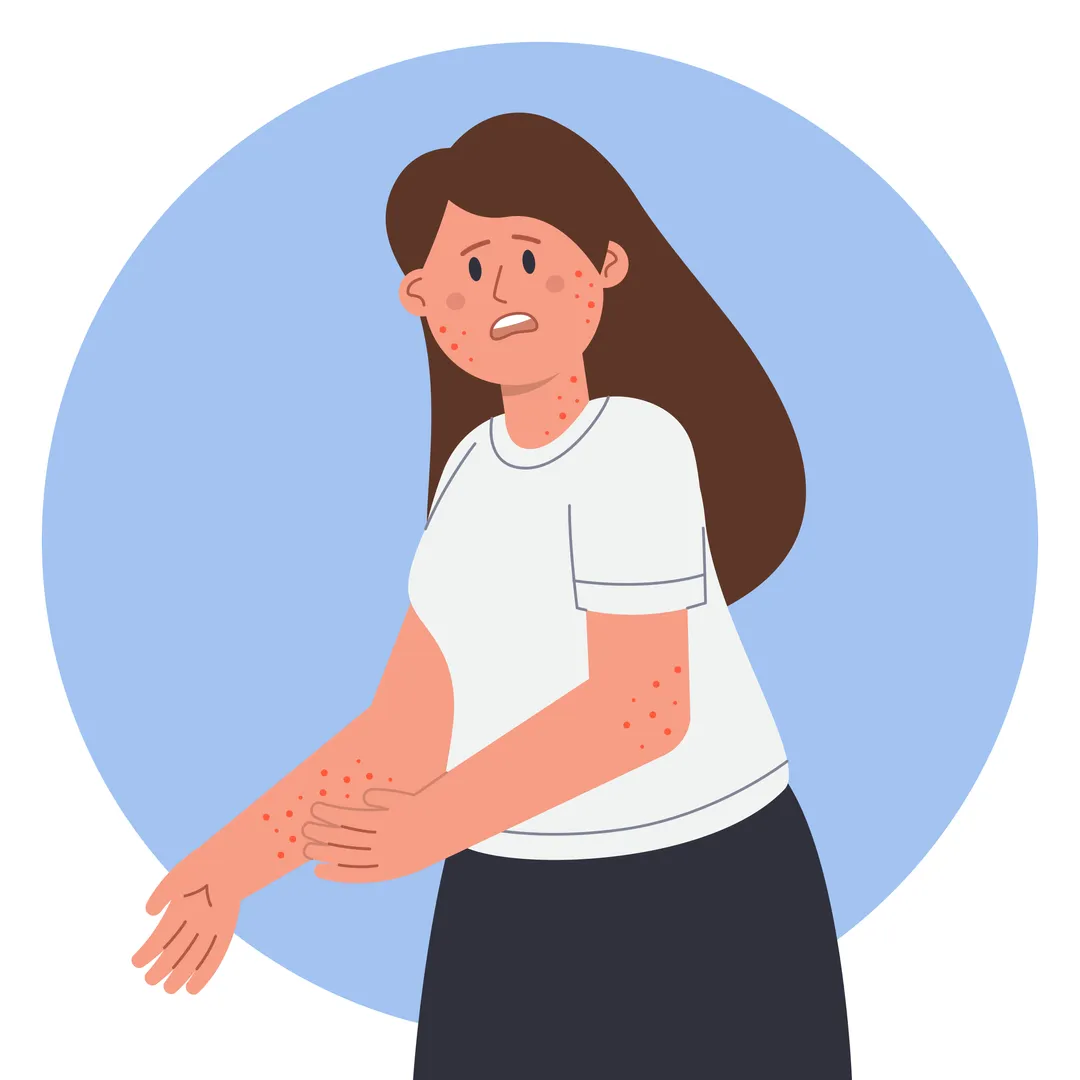
Pruritus — an intense, often distressing itch — is a common and debilitating symptom in patients with cholestatic liver diseases such as primary biliary cholangitis (PBC), primary sclerosing cholangitis (PSC), and intrahepatic cholestasis of pregnancy.
Unlike ordinary itching, cholestatic pruritus can severely impair quality of life, leading to sleep disturbances, emotional distress, and even depression.
Understanding the underlying mechanisms and optimizing treatment strategies is crucial for improving patient outcomes.
________________________________________
Why Does Pruritus Occur in Liver Disease?
In cholestasis, bile flow is reduced or obstructed, leading to the accumulation of bile salts, bilirubin, and other pruritogens in the bloodstream and skin.
Although the exact cause of itching is not fully understood, several factors contribute, including:
• Accumulation of bile acids and endogenous opioids
• Elevated lysophosphatidic acid (LPA) levels
• Neuroinflammatory pathways and altered neurotransmitter activity
The itching is typically worse at night, involves the palms and soles initially, and is often independent of liver enzyme levels.
________________________________________
Approach to Managing Pruritus in Cholestatic Liver Disease
1. General Measures
• Cooling the skin with fans, cold showers, or ice packs can offer temporary relief.
• Avoidance of hot environments and woolen clothing.
• Keeping nails trimmed to minimize skin damage from scratching.
2. First-Line Pharmacological Therapy
Bile Acid Sequestrants
(e.g., Cholestyramine, Colesevelam)
• Bind bile acids in the gut to reduce systemic levels.
• Cholestyramine is the first-line treatment, typically 4–16 grams/day.
• Should be taken 2–4 hours apart from other medications (especially ursodeoxycholic acid).
Keywords: cholestyramine for liver itching, first-line treatment of cholestatic pruritus
________________________________________
3. Second-Line Options
Rifampicin
• A broad-spectrum antibiotic that also induces hepatic enzymes, reducing pruritogenic substances.
• Dose: 150–300 mg twice daily.
• Monitor liver function tests closely due to hepatotoxicity risk.
Keywords: rifampicin for liver itching, second-line treatment for cholestatic pruritus
________________________________________
4. Third-Line Therapies
Opioid Antagonists
(e.g., Naltrexone, Naloxone)
• Based on the theory that endogenous opioids accumulate during cholestasis and contribute to pruritus.
• Naltrexone (starting at 12.5 mg/day) can provide symptomatic relief.
• Monitor for opioid withdrawal symptoms.
Keywords: naltrexone for liver disease itching, opioid antagonists for pruritus
________________________________________
5. Emerging and Alternative Therapies
- Sertraline (Selective Serotonin Reuptake Inhibitor - SSRI)
• Useful especially in patients with concurrent depression or anxiety.
- Bezafibrate
• Beneficial in primary biliary cholangitis with associated pruritus.
- Maralixibat and Odevixibat
• New ileal bile acid transporter (IBAT) inhibitors showing promise in clinical trials.
- Plasmapheresis or Extracorporeal Liver Support
• Reserved for refractory cases awaiting liver transplantation.
Keywords: new treatments for cholestatic pruritus, IBAT inhibitors for itching in liver disease
________________________________________
Role of Liver Transplantation
For patients with intractable pruritus that is disabling and unresponsive to medical therapy, liver transplantation can offer complete relief. In fact, severe pruritus alone is considered an indication for transplantation in select cases, even without advanced liver failure.
Keywords: liver transplant for pruritus, when to consider transplant for liver disease itching
________________________________________
Conclusion
Pruritus in cholestatic liver disease is more than just an annoying symptom — it deeply affects patients' daily lives. A stepwise approach using general measures, bile acid sequestrants, antibiotics like rifampicin, opioid antagonists, and newer therapies offers significant hope for relief.
Early recognition, patient counseling, and timely escalation of therapy are critical to improving quality of life.
With new treatments on the horizon, the future looks promising for better management of this challenging symptom.
________________________________________
Frequently Asked Questions (FAQs)
Q1. What causes itching in liver disease?
Itching occurs due to the accumulation of bile acids and other substances in the bloodstream and skin during cholestasis.
Q2. How can I stop liver-related itching naturally?
Cooling the skin, moisturizing, and avoiding heat can offer temporary relief, but medications are often needed.
Q3. Is cholestatic pruritus dangerous?
While not directly life-threatening, severe pruritus can lead to insomnia, depression, and poor quality of life.
Q4. Can liver transplant cure itching?
Yes, in cases where medical therapy fails, liver transplantation often cures pruritus completely.
Introduction
Pruritus — an intense, often distressing itch — is a common and debilitating symptom in patients with cholestatic liver diseases such as primary biliary cholangitis (PBC), primary sclerosing cholangitis (PSC), and intrahepatic cholestasis of pregnancy.
Unlike ordinary itching, cholestatic pruritus can severely impair quality of life, leading to sleep disturbances, emotional distress, and even depression.
Understanding the underlying mechanisms and optimizing treatment strategies is crucial for improving patient outcomes.
________________________________________
Why Does Pruritus Occur in Liver Disease?
In cholestasis, bile flow is reduced or obstructed, leading to the accumulation of bile salts, bilirubin, and other pruritogens in the bloodstream and skin.
Although the exact cause of itching is not fully understood, several factors contribute, including:
• Accumulation of bile acids and endogenous opioids
• Elevated lysophosphatidic acid (LPA) levels
• Neuroinflammatory pathways and altered neurotransmitter activity
The itching is typically worse at night, involves the palms and soles initially, and is often independent of liver enzyme levels.
________________________________________
Approach to Managing Pruritus in Cholestatic Liver Disease
1. General Measures
• Cooling the skin with fans, cold showers, or ice packs can offer temporary relief.
• Avoidance of hot environments and woolen clothing.
• Keeping nails trimmed to minimize skin damage from scratching.
2. First-Line Pharmacological Therapy
Bile Acid Sequestrants
(e.g., Cholestyramine, Colesevelam)
• Bind bile acids in the gut to reduce systemic levels.
• Cholestyramine is the first-line treatment, typically 4–16 grams/day.
• Should be taken 2–4 hours apart from other medications (especially ursodeoxycholic acid).
Keywords: cholestyramine for liver itching, first-line treatment of cholestatic pruritus
________________________________________
3. Second-Line Options
Rifampicin
• A broad-spectrum antibiotic that also induces hepatic enzymes, reducing pruritogenic substances.
• Dose: 150–300 mg twice daily.
• Monitor liver function tests closely due to hepatotoxicity risk.
Keywords: rifampicin for liver itching, second-line treatment for cholestatic pruritus
________________________________________
4. Third-Line Therapies
Opioid Antagonists
(e.g., Naltrexone, Naloxone)
• Based on the theory that endogenous opioids accumulate during cholestasis and contribute to pruritus.
• Naltrexone (starting at 12.5 mg/day) can provide symptomatic relief.
• Monitor for opioid withdrawal symptoms.
Keywords: naltrexone for liver disease itching, opioid antagonists for pruritus
________________________________________
5. Emerging and Alternative Therapies
- Sertraline (Selective Serotonin Reuptake Inhibitor - SSRI)
• Useful especially in patients with concurrent depression or anxiety.
- Bezafibrate
• Beneficial in primary biliary cholangitis with associated pruritus.
- Maralixibat and Odevixibat
• New ileal bile acid transporter (IBAT) inhibitors showing promise in clinical trials.
- Plasmapheresis or Extracorporeal Liver Support
• Reserved for refractory cases awaiting liver transplantation.
Keywords: new treatments for cholestatic pruritus, IBAT inhibitors for itching in liver disease
________________________________________
Role of Liver Transplantation
For patients with intractable pruritus that is disabling and unresponsive to medical therapy, liver transplantation can offer complete relief. In fact, severe pruritus alone is considered an indication for transplantation in select cases, even without advanced liver failure.
Keywords: liver transplant for pruritus, when to consider transplant for liver disease itching
________________________________________
Conclusion
Pruritus in cholestatic liver disease is more than just an annoying symptom — it deeply affects patients' daily lives. A stepwise approach using general measures, bile acid sequestrants, antibiotics like rifampicin, opioid antagonists, and newer therapies offers significant hope for relief.
Early recognition, patient counseling, and timely escalation of therapy are critical to improving quality of life.
With new treatments on the horizon, the future looks promising for better management of this challenging symptom.
________________________________________
Frequently Asked Questions (FAQs)
Q1. What causes itching in liver disease?
Itching occurs due to the accumulation of bile acids and other substances in the bloodstream and skin during cholestasis.
Q2. How can I stop liver-related itching naturally?
Cooling the skin, moisturizing, and avoiding heat can offer temporary relief, but medications are often needed.
Q3. Is cholestatic pruritus dangerous?
While not directly life-threatening, severe pruritus can lead to insomnia, depression, and poor quality of life.
Q4. Can liver transplant cure itching?
Yes, in cases where medical therapy fails, liver transplantation often cures pruritus completely.
Keywords