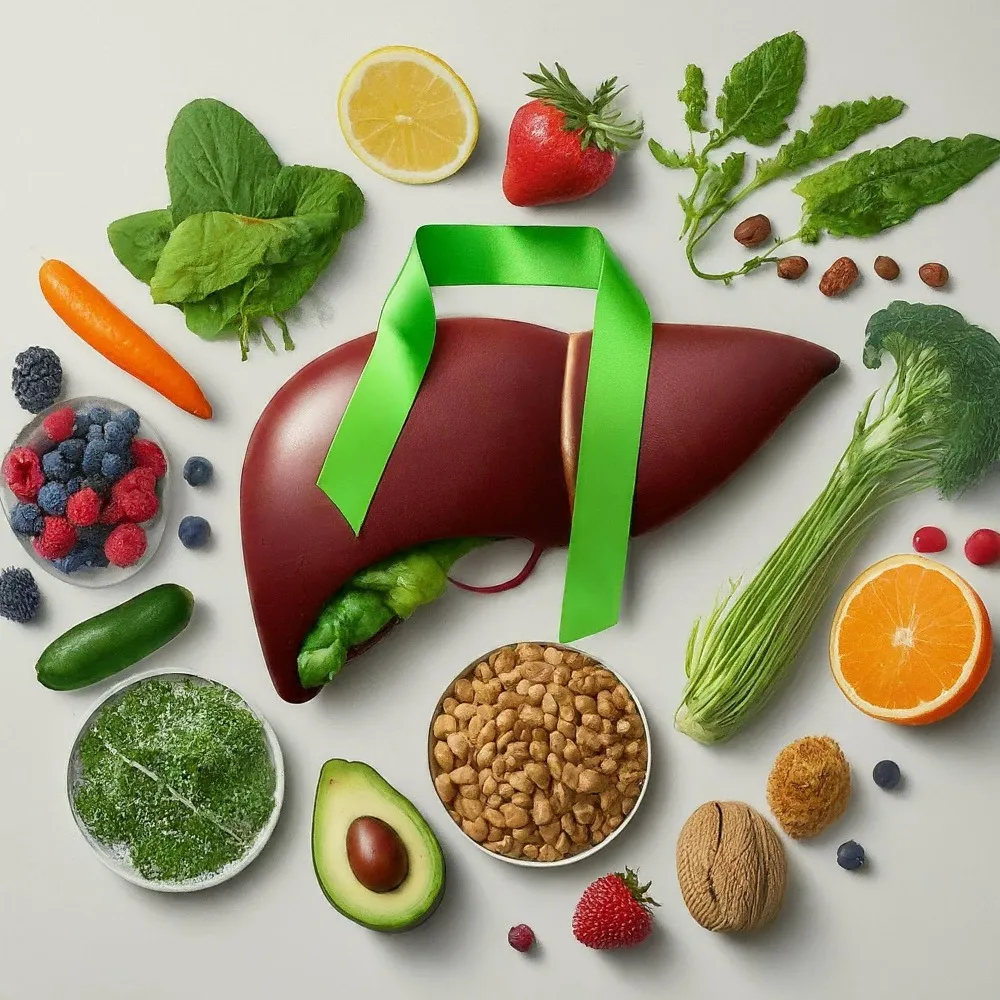
The liver plays a central role in keeping the body healthy. It helps digest food, processes nutrients, filters toxins, regulates metabolism, and supports the immune system. While the liver has a remarkable ability to repair itself, unhealthy eating habits, physical inactivity, and certain medical conditions can gradually affect its function over time.
Making nutrition and lifestyle changes for liver health does not require drastic measures. Small, sustainable improvements in your daily routine can reduce the risk of fatty liver disease and support better liver function. For people living in busy cities like Mumbai, where irregular meal timings, processed foods, and sedentary work are common, prioritizing liver-friendly habits can have long-term health benefits.
How Lifestyle Affects Liver Health
Many liver conditions develop gradually and may not cause symptoms in their early stages. Factors that commonly contribute to liver problems include:
- Excess body weight
- High intake of sugary and processed foods
- Lack of regular exercise
- Diabetes and insulin resistance
- High cholesterol
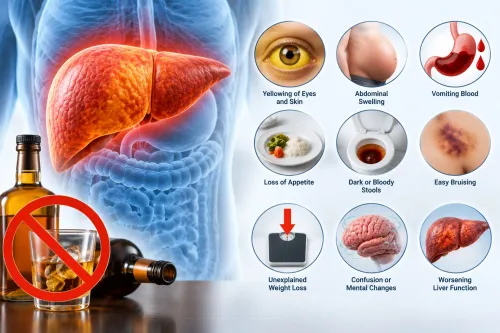
- Excessive alcohol consumption
- Poor sleep and chronic stress
Addressing these factors early can help reduce the likelihood of liver damage and improve overall metabolic health.
Build a Liver-Friendly Plate
A balanced diet is one of the most effective ways to support liver health. Rather than following restrictive diets, focus on eating a variety of nutrient-rich foods.
Include more of the following:
- Fresh vegetables of different colours
- Seasonal fruits in moderate portions
- Whole grains such as oats, brown rice, and whole wheat
- Lentils, beans, and pulses
- Lean protein sources including fish, eggs, and skinless poultry
- Healthy fats from nuts, seeds, and olive oil
These foods provide vitamins, minerals, antioxidants, and fibre that support normal liver function and overall wellness.
Foods to Limit
Some foods can increase fat accumulation in the liver when consumed regularly. Reducing these items can help protect liver health.
Try to limit:
- Sugary beverages
- Packaged snacks
- Deep-fried foods
- Bakery products high in trans fats
- Refined carbohydrates
- Processed meats
- Excessive salt intake
Completely avoiding occasional treats is usually unnecessary, but moderation plays an important role in maintaining a healthy liver.
Stay Active Throughout the Week
Physical activity benefits the liver even if weight loss is modest. Exercise improves insulin sensitivity, reduces fat stored in the liver, and supports cardiovascular health.
A practical weekly routine may include:
- At least 150 minutes of moderate aerobic exercise
- Strength training twice a week
- Walking after meals
- Taking the stairs whenever possible
- Stretching during long working hours
Even people with demanding schedules can benefit from short exercise sessions spread throughout the day.
Hydration Supports Overall Health
Water is essential for many normal body functions. Staying adequately hydrated helps maintain healthy digestion and supports the body's natural metabolic processes.
Choosing water instead of sugary drinks can also reduce unnecessary calorie intake and contribute to healthier weight management.
The Importance of Healthy Weight Management
Excess abdominal fat is closely associated with non-alcoholic fatty liver disease, now more commonly referred to as metabolic dysfunction-associated steatotic liver disease (MASLD).
Safe and gradual weight reduction under medical guidance is generally recommended for individuals who are overweight. Rapid weight-loss programmes or crash diets may not always be appropriate and should be avoided unless supervised by a healthcare professional.
Don't Ignore Sleep and Stress
Nutrition is only one part of liver care. Poor sleep and chronic stress may contribute to hormonal changes that affect metabolism and increase unhealthy eating patterns.
Simple habits that support overall health include:
- Sleeping 7–8 hours each night
- Following a consistent sleep schedule
- Practising relaxation techniques
- Reducing prolonged screen time before bed
- Spending time outdoors when possible
These lifestyle adjustments often improve both physical and mental well-being.
Be Cautious with Supplements and Medicines
Many people assume herbal supplements are always safe because they are natural. However, some products may affect the liver, particularly when taken without medical advice or in excessive amounts.
Similarly, overuse of pain relievers and other medications can contribute to liver injury. Always follow prescribed dosages and discuss supplements with your healthcare provider before starting them.
Regular Health Check-ups Matter
Routine medical evaluations can identify liver-related problems before symptoms develop. Individuals with obesity, diabetes, high cholesterol, or a family history of liver disease should consider periodic liver assessments.
Your doctor may recommend:
- Liver function blood tests
- Ultrasound examination
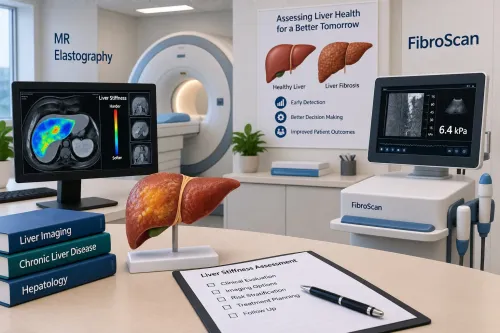
- Fibrosis assessment when indicated
- Blood sugar and cholesterol screening
- Weight and blood pressure monitoring
Early identification allows lifestyle interventions and treatment to begin before significant liver damage occurs.
Personalised Guidance Can Make a Difference
Although general dietary advice is helpful, every person's health needs are different. Age, existing medical conditions, medications, and the severity of liver disease all influence nutritional recommendations.
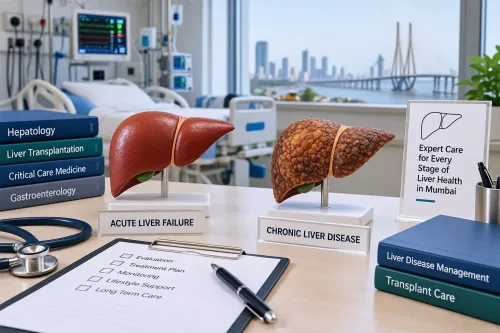
For patients in Mumbai seeking specialised liver care, Dr. Chetan Kalal Hepatologist and Liver Transplant Specialist provides comprehensive evaluation and personalised guidance for various liver conditions. Educational resources available through drchetankalalliverspecialist.com also help patients better understand preventive liver care and evidence-based treatment approaches.
Healthy Habits Today Support Better Liver Health Tomorrow
Protecting your liver is a lifelong commitment built on consistent daily choices rather than quick fixes. Eating balanced meals, staying physically active, maintaining a healthy weight, getting adequate sleep, and attending regular health check-ups all contribute to better liver function and overall well-being.
Whether your goal is preventing fatty liver disease or supporting recovery from an existing liver condition, adopting healthier nutrition and lifestyle practices today can help your liver continue performing its vital functions for years to come.
Keywords