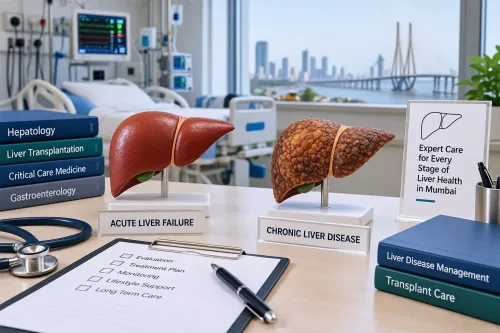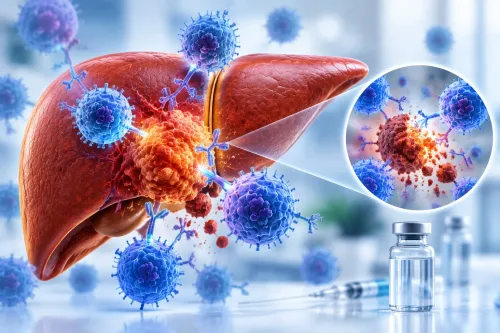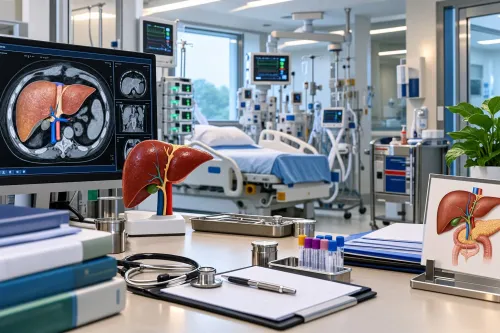
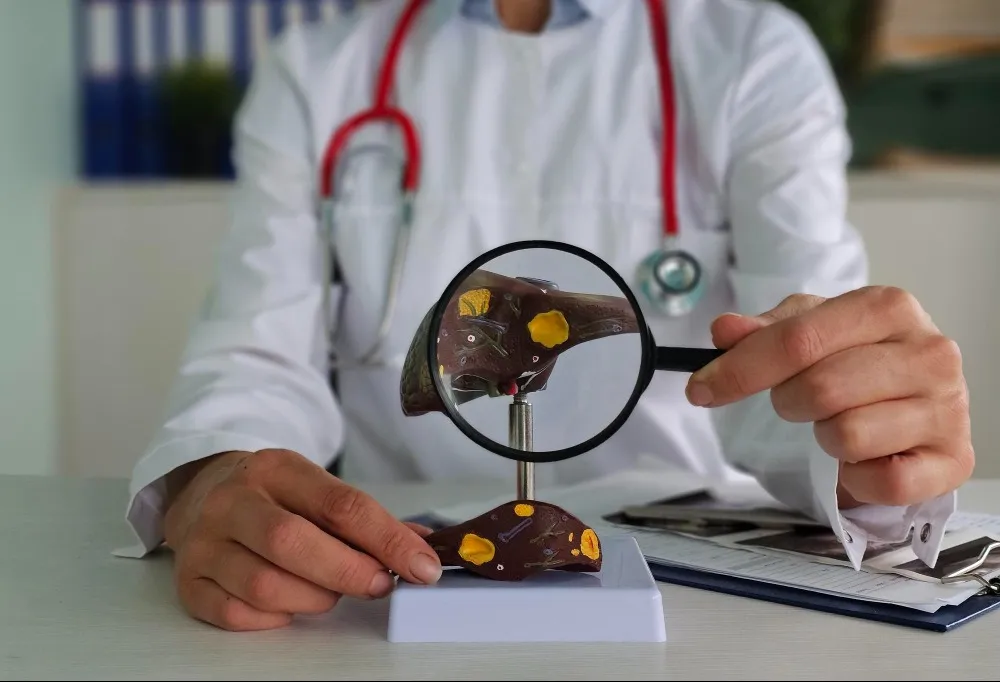
Your liver works continuously behind the scenes, performing hundreds of essential functions that keep your body healthy. From processing nutrients and filtering toxins to producing proteins and supporting digestion, this remarkable organ is involved in nearly every aspect of metabolism. Despite its importance, liver health often receives little attention until symptoms begin to appear, and by then, liver damage may already have progressed.
The encouraging news is that many liver conditions can be prevented or managed effectively through early awareness and healthy lifestyle choices. Understanding the factors that influence liver health and liver function improvement can help you make informed decisions that benefit your long-term well-being.
Why Is the Liver So Important?
The liver is one of the body's largest and hardest-working organs. It performs several vital functions, including:
- Filtering harmful substances from the bloodstream
- Metabolizing medications safely
- Producing bile to aid digestion
- Storing vitamins, minerals, and energy
- Regulating blood sugar levels
- Supporting immune function
- Producing proteins necessary for blood clotting
Because the liver can continue functioning even when partially damaged, many liver diseases develop silently without noticeable symptoms during the early stages.
Common Causes of Poor Liver Health
Modern lifestyles have contributed to a growing number of liver-related conditions. Some of the most common causes include:
- Fatty liver disease associated with obesity
- Excessive alcohol consumption
- Viral hepatitis infections
- Diabetes and metabolic syndrome
- High cholesterol and elevated triglycerides
- Certain medications when taken without medical supervision
- Exposure to environmental toxins
In metropolitan cities like Mumbai, where long working hours, processed foods, stress, and limited physical activity are common, lifestyle-related liver disorders have become increasingly prevalent among adults of different age groups.
Early Signs That Should Not Be Ignored
Many people assume liver disease always causes pain, but this is not necessarily true. Early symptoms can be subtle and may include:
- Persistent tiredness
- Unexplained weakness
- Loss of appetite
- Mild abdominal discomfort
- Bloating
- Nausea
- Difficulty concentrating
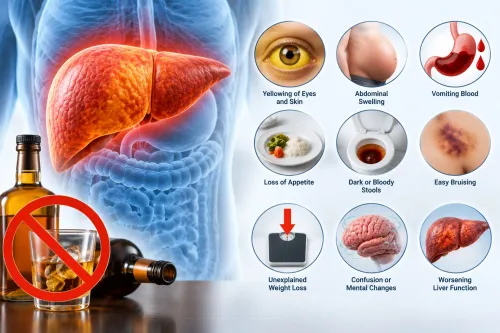
As liver disease progresses, symptoms may become more noticeable, including jaundice, swelling in the legs or abdomen, dark urine, or unexplained weight loss. Seeking medical evaluation before these advanced signs develop can make a significant difference in treatment outcomes.
Lifestyle Habits That Support Liver Function Improvement
Improving liver health does not usually depend on one major change. Instead, consistent healthy habits often provide lasting benefits.
Eat a Balanced Diet
A liver-friendly diet focuses on whole foods rather than heavily processed meals. Include:
- Fresh vegetables and seasonal fruits
- Whole grains
- Lentils and legumes
- Lean protein sources
- Healthy fats from nuts and seeds
- Adequate water throughout the day
Reducing sugary beverages, refined carbohydrates, deep-fried foods, and excessive processed snacks can help decrease fat accumulation in the liver.
Stay Physically Active
Regular physical activity supports weight management and improves insulin sensitivity, both of which benefit liver function.
Aim for at least:
- 150 minutes of moderate exercise each week
- Muscle-strengthening activities twice weekly
- Regular walking if your work involves prolonged sitting
- Even small increases in daily movement can contribute to better metabolic health.
Maintain a Healthy Weight
Excess body fat, particularly around the abdomen, increases the likelihood of developing fatty liver disease. Gradual, sustainable weight loss under medical guidance is generally more beneficial than rapid dieting.
Limit Alcohol Intake
Alcohol remains a major cause of preventable liver damage. Individuals with existing liver disease are often advised to avoid alcohol entirely, while others should consume it only within medically recommended limits.
The Importance of Regular Health Check-ups
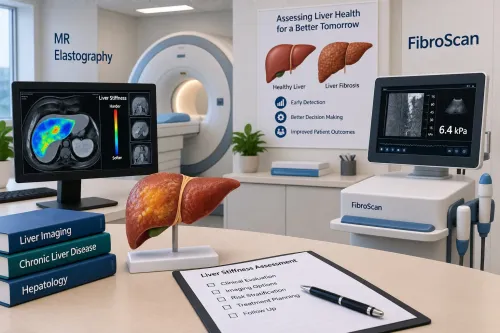
Routine health evaluations can detect liver problems before symptoms develop. Your healthcare provider may recommend:
- Liver function blood tests
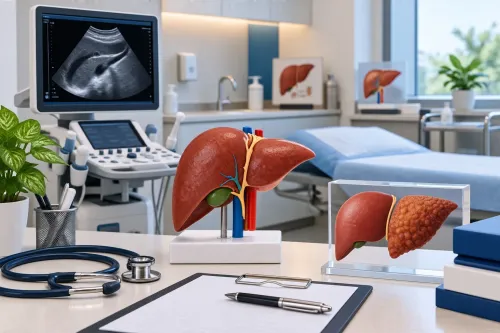
- Ultrasound imaging
- Screening for viral hepatitis when appropriate
- Assessment of metabolic risk factors such as diabetes and cholesterol
People with obesity, diabetes, high blood pressure, or a family history of liver disease may benefit from periodic liver assessments even if they feel well.
Protecting Your Liver Beyond Diet
Good liver health also involves everyday preventive measures:
- Avoid unnecessary self-medication.
- Follow recommended vaccination schedules for hepatitis where appropriate.
- Practice safe hygiene and infection prevention.
- Use herbal supplements only after discussing them with a healthcare professional.
- Get adequate sleep and manage stress through relaxation techniques or regular physical activity.
These practical steps help reduce the risk of long-term liver injury.
When Should You Consult a Liver Specialist?
Persistent abnormal liver tests, unexplained fatigue, jaundice, recurrent abdominal swelling, or a diagnosis of fatty liver should not be ignored. Early consultation with a hepatologist can help identify the underlying cause and guide appropriate treatment before complications arise.
For individuals in Mumbai and surrounding parts of Maharashtra seeking specialized evaluation, consulting an experienced hepatologist such as Dr. Chetan Kalal Hepatologist and Liver Transplant Specialist can provide comprehensive assessment, evidence-based diagnosis, and personalized management for a wide range of liver conditions. Additional educational resources about liver diseases and preventive care are also available through drchetankalalliverspecialist.com.
Building Better Liver Health for the Future
Liver disease often develops gradually, but so does liver recovery when healthy choices are adopted early. A balanced diet, regular exercise, healthy body weight, responsible medication use, and timely medical evaluations together create a strong foundation for lifelong liver wellness.
Whether your goal is preventing liver disease, improving liver function, or managing an existing condition, taking proactive steps today can help preserve one of your body's most important organs for years to come.
Keywords