
Liver disease can progress quietly for years. A person may have fatty liver, viral hepatitis, fibrosis, or early cirrhosis without experiencing obvious symptoms. This makes early liver disease detection and diagnosis particularly important for people with diabetes, obesity, regular alcohol exposure, viral hepatitis risk, abnormal liver enzymes, or a family history of liver disease.
The goal of early assessment is not simply to identify whether the liver is abnormal. It is to understand the cause, determine the degree of injury, estimate fibrosis risk, and decide whether specialist management is needed.
Why symptoms are not enough
The liver has considerable functional reserve. Early disease may therefore produce few noticeable symptoms.
Fatigue, reduced appetite, abdominal discomfort, or changes in general wellbeing can have many causes. Conversely, someone who feels completely healthy may still have significant liver fibrosis.
This is why risk-based assessment can be more useful than waiting for symptoms.
Who should consider liver evaluation?
People with the following factors may benefit from discussing liver assessment with a doctor:
- Fatty liver detected on ultrasound
- Persistently elevated ALT or AST
- Type 2 diabetes or prediabetes
- Overweight or obesity
- High triglycerides or cholesterol
- Chronic hepatitis B or C
- Regular or heavy alcohol use
- Previous unexplained liver abnormalities
- Family history of significant liver disease
- Certain autoimmune or metabolic conditions
- Long-term exposure to medicines that require liver monitoring
A 2026 AASLD initiative specifically highlights the need for earlier detection of liver fibrosis among people with metabolic risk factors such as obesity, diabetes, and metabolic syndrome.
How is liver disease diagnosed?
Evaluation usually combines several types of information rather than relying on a single test.
Blood tests
Liver enzymes such as ALT and AST can indicate liver-cell injury, while bilirubin, albumin, platelet count, and other parameters provide additional information about liver function and disease severity.
Blood tests may also help investigate possible causes, including viral hepatitis, autoimmune liver disease, and metabolic conditions.
Ultrasound and other imaging
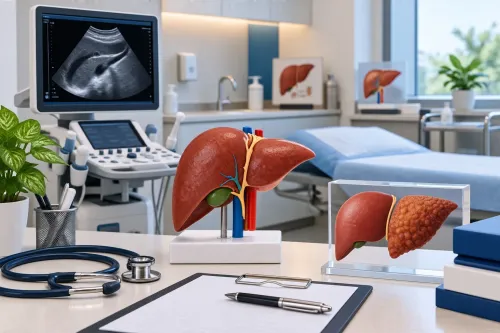
Ultrasound can identify fatty change, changes in liver size or appearance, bile duct abnormalities, and some complications of advanced disease.
However, a normal or mildly abnormal ultrasound does not automatically exclude clinically important fibrosis.
Fibrosis assessment
Fibrosis is the formation of scar tissue in the liver. Its stage is particularly important because advanced fibrosis is associated with greater risk of complications.
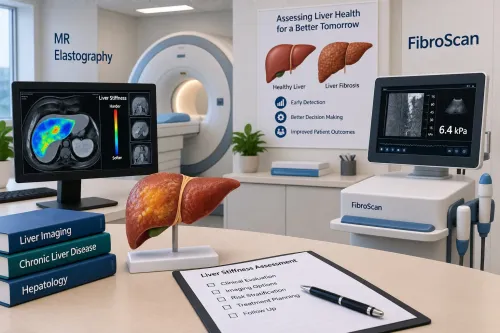
Non-invasive tools can include blood-based scores and elastography. AASLD recognizes blood-based and imaging-based non-invasive liver assessment as important components of modern fibrosis evaluation.
Why early diagnosis matters
Identifying liver disease early can create an opportunity to address the underlying cause before complications develop.
Depending on the diagnosis, management may involve:
- Weight and metabolic risk management
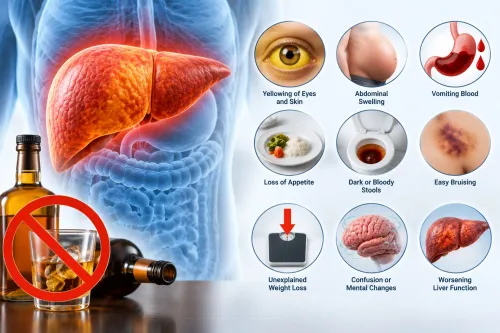
- Alcohol cessation
- Antiviral treatment
- Medication review
- Treatment of autoimmune disease
- Nutrition and physical activity planning
- Regular fibrosis monitoring
- Surveillance for complications in advanced disease
Not every patient with fatty liver has the same risk. Two people may have similar ultrasound findings but very different levels of fibrosis.
Mumbai patients should not ignore incidental findings
Many liver problems are discovered during health checks, diabetes evaluations, abdominal scans, or routine blood tests. A report mentioning fatty liver or elevated liver enzymes is easy to dismiss when the patient feels well.
That can be a missed opportunity.
In Mumbai, where patients may have access to multiple diagnostic centres and specialist services, the challenge is often not obtaining another test but understanding which test is appropriate and what the result means.
A hepatology consultation with Dr. Chetan Kalal Hepatologist and Liver Transplant Specialist can help put abnormal reports into clinical context and determine whether additional evaluation is needed.
Early liver disease detection is ultimately about risk identification. The earlier significant fibrosis or an underlying cause is recognized, the more opportunities there may be to manage the disease before it progresses to advanced liver failure.
Keywords