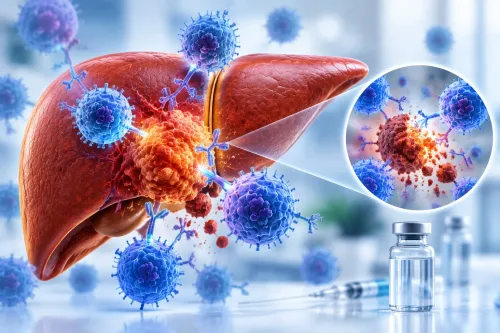

Yellow eyes, abnormal liver results or fat seen on an ultrasound does not always mean you need the same level of care. By the end, you will know which symptoms require emergency treatment, when to book a specialist appointment, what testing can and cannot show, and how to choose the right care pathway.
Key takeaways
- Seek emergency care for vomiting blood, black stools, confusion, fainting, or breathing difficulty.
- Arrange specialist review for persistent abnormal liver tests, jaundice, hepatitis, fatty liver, or cirrhosis risks.
- Normal liver enzymes do not rule out fibrosis, cirrhosis, or liver cancer.
- Bring medication lists, previous reports, alcohol history, and family history to your appointment.
Emergency symptoms versus problems suitable for a scheduled appointment
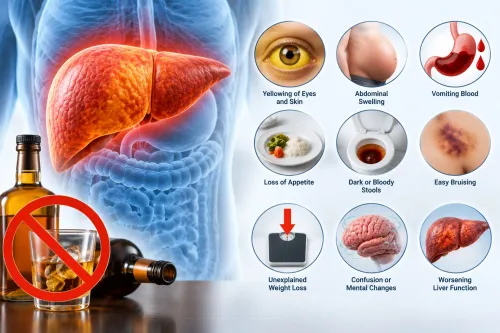
Vomiting blood, black stools, fainting, new confusion, unusual sleepiness, personality change, or severe abdominal swelling with breathing difficulty requires an emergency department now. Do not wait for a hepatology consultant appointment, especially with jaundice, fever, severe right-upper-abdominal pain, or sudden deterioration.
| Symptom or finding | What to do | Why it matters |
|---|---|---|
| Vomiting blood, black stools, fainting, or confusion | Go to the emergency department now | These can indicate gastrointestinal bleeding or acute liver failure |
| Jaundice with confusion, marked sleepiness, or personality change | Seek urgent assessment at a transplant-capable centre | Confusion plus acute liver injury and INR of at least 1.5 meets the clinical definition of acute liver failure |
| New ascites, rapidly increasing abdominal fluid, fever, or severe pain | Seek same-day hospital care | A diagnostic paracentesis is needed to rule out spontaneous bacterial peritonitis |
| Dark urine, pale stools, persistent itching, leg swelling, nausea, fatigue, or unexplained weight loss | Book a scheduled hepatology appointment | These symptoms need investigation when you are otherwise stable |
Persistent or marked ALT, AST, alkaline phosphatase, gamma-glutamyl transferase, or bilirubin abnormalities also justify specialist review. Low albumin, low platelets, or a raised INR suggests reduced liver function and should not be dismissed as simple fatty liver; medication injury, hepatitis, alcohol-associated disease, autoimmune hepatitis, and bile-duct disorders require different tests.
An expert liver doctor can assess fibrosis, arrange endoscopy or elastography, review medicines, and decide whether procedures or transplant evaluation are needed. A positive hepatitis C antibody also needs HCV RNA confirmation, not reassurance alone.
When abnormal liver tests or risk factors justify specialist review
Book a hepatology consultant appointment when liver tests stay abnormal, imaging shows a lesion or scarring, or a risk factor raises concern, even if you feel well. A single mild enzyme rise after a clear short-term illness can be repeated through routine care, but persistent, marked, unexplained or worsening results need cause-focused review.
Reasons to arrange specialist assessment include:
- Persistently raised ALT, AST, alkaline phosphatase or gamma-glutamyl transferase
- High bilirubin, low albumin, raised INR or low platelets
- A liver lesion, nodular liver, enlarged spleen or suspected fibrosis on ultrasound or another scan
- Positive hepatitis B surface antigen, hepatitis C exposure, significant alcohol use, obesity with diabetes, or a family history of liver disease
- Long-term use of medicines or supplements that could injure the liver
A positive hepatitis B surface antigen needs more than periodic “liver-function” tests. Assessment may include HBV DNA, ALT, hepatitis B e-antigen status, fibrosis staging and liver-cancer risk; normal ALT at one visit does not remove the need for follow-up.
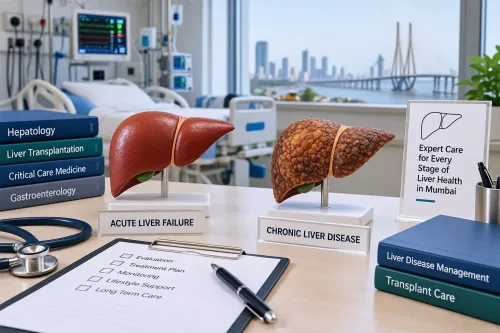
Known cirrhosis warrants ultrasound surveillance for hepatocellular carcinoma about every six months. A new lesion, rising alpha-fetoprotein or an inadequate scan needs specialist-directed multiphasic CT or MRI. Ask for hepatology review if you need coordinated liver disease treatment in Mumbai, including fibrosis staging, medication review, metabolic care, endoscopy or transplant referral.
What a hepatologist adds beyond tests, routine care and online advice
A hepatologist connects the cause of liver disease to its stage, complications and next treatment decision.
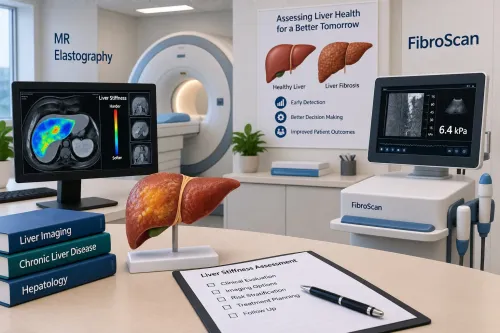
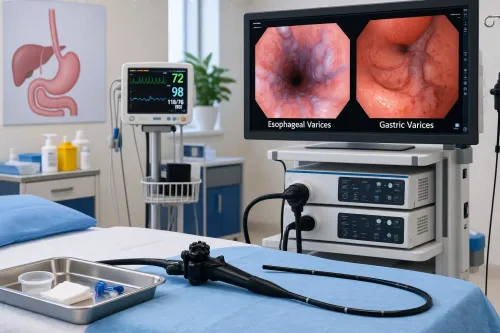
An expert liver doctor may arrange transient elastography, review medicines and supplements for liver injury, plan endoscopy for varices, organise an image-guided liver biopsy, manage portal-hypertension procedures, assess whether TIPS is appropriate and begin transplant work-up when liver function is failing.
- A general physician is often the right starting point for a minor, isolated enzyme abnormality; a hepatologist takes over when results persist, worsen or suggest fibrosis, impaired clotting or cirrhosis.
- A gastroenterologist treats digestive disorders broadly; a hepatologist focuses on liver-specific staging, cancer surveillance, portal hypertension and advanced liver failure.
- An infectious-disease specialist manages infections; a hepatologist adds long-term assessment of hepatitis B or C, fibrosis, liver-cancer risk and treatment response.
- An oncologist treats cancer; a hepatologist helps determine whether a liver lesion is cancer, how much liver function remains and whether surgery, ablation, embolisation or transplant is feasible.
- A transplant team evaluates transplantation; a hepatologist identifies the right timing, stabilises complications and coordinates referral before an emergency develops.
- A testing service supplies results; it cannot explain why they are abnormal or select the next test and treatment.
Online advice cannot examine you or reconcile conflicting scans, medicines and blood results. Search terms such as best hepatologist in Mumbai do not establish expertise; choose someone who can coordinate nutrition, metabolic care, procedures and transplant referral when needed.
Why normal enzymes and a single scan cannot prove a healthy liver
Normal ALT and AST cannot prove a healthy liver: they measure cell injury at one moment, not the amount of scar tissue. Bilirubin reflects bile handling, while alkaline phosphatase points toward bile-duct or cholestatic problems. Normal bilirubin does not cancel persistent enzyme elevation, and normal enzymes do not exclude advanced fibrosis.
- Persistently raised ALT or AST, unexplained alkaline phosphatase or gamma-glutamyl transferase elevation, high bilirubin, low platelets, low albumin, or a raised INR warrants assessment for a cause rather than a casual “fatty liver” label.
- Ultrasound can show steatosis, an enlarged or nodular liver, bile-duct dilation, fluid, or a mass. A clear report can still miss early fibrosis, small lesions, or disease obscured by obesity or bowel gas.
- FIB-4 and APRI estimate fibrosis risk from blood results; they are screening tools, not diagnoses. Transient elastography measures stiffness, but inflammation, congestion and inadequate preparation can affect the reading.
A hepatology consultant should interpret conflicting results, persistent abnormalities, or intermediate and high fibrosis scores together. Specialist review is especially important when bilirubin or INR is abnormal, platelets are falling, or results remain abnormal after repeat testing.
If you are searching for liver disease treatment in Mumbai, choose care that can coordinate medication review, elastography, targeted imaging, biopsy, nutrition and metabolic care when needed—not just another enzyme panel.
Choosing coordinated liver care in Mumbai and preparing for the visit
Choose a consultant who can coordinate the whole pathway, not merely interpret one scan. The label “best hepatologist in Mumbai” matters less than access to fibrosis staging, medication review, nutrition care, endoscopy, interventional radiology and transplant referral when your condition requires them.
An expert liver doctor should explain who handles each step and when you need escalation.
| Care need | What to confirm | Why it matters |
|---|---|---|
| Fibrosis or cirrhosis | Transient elastography, blood-score review and biopsy referral when needed | Staging affects monitoring and treatment |
| Medicines and nutrition | A complete interaction check and supervised weight plan | Supplements, rapid dieting and “detox” products can injure the liver |
| Procedures | Endoscopy, image-guided biopsy, portal-hypertension procedures and TIPS pathways | Delays can increase bleeding or decompensation risk |
| Transplant assessment | Referral criteria, MELD review and transplant-centre coordination | Ascites, variceal bleeding, encephalopathy or liver cancer warrant timely evaluation |
Before the appointment, bring prior reports, imaging discs, discharge summaries, every medicine and supplement, alcohol history, weight changes and vaccination records. Write down symptoms, their dates and your questions.
Ask directly:
- What is my fibrosis stage, and what test confirms it?
- Which medicines, supplements or diabetes treatments should change?
- What calorie, protein and weight targets apply to me?
- Do I need endoscopy, biopsy, TIPS assessment or transplant evaluation?
For liver disease treatment in Mumbai, Dr Chetan Kalal Hepatologist Transplant can be considered when you need coordinated hepatology and transplant planning rather than isolated test interpretation. Do not wait for a routine visit if you have vomiting blood, black stools, new confusion, fainting or breathing difficulty from abdominal swelling.
Related services
✅ Primary Service Type/Category: Hepatology & Liver Disease Consultation ✅ Sub-Categories (Optional, for better filtering/navigation): Liver Disease Diagnosis & Management Fatty Liver & Cirrhosis Treatment Hepatitis B & C Specialist Care Liver Transplant Evaluation & Follow-up Virtual Second Opinion for Liver Conditions Nutritional & Lifestyle Guidance for Liver Health Whether you're dealing with fatty liver, hepatitis B/C, liver cirrhosis, or need post-transplant follow-up, Dr. View service → |
Preventive Health & Wellness Clinic (with sub-focus: Liver Health, Lifestyle Medicine, and Early Screening) Preventive Liver Health Check & Lifestyle Screening The Preventive Liver Health Check & Lifestyle Screening Program by Dr. View service → |
Frequently asked questions
Which liver symptoms require emergency care rather than a scheduled appointment?
Go to an emergency department for vomiting blood, black stools, fainting, new confusion, unusual sleepiness, personality change, or severe abdominal swelling with breathing difficulty. Jaundice, fever, severe right-upper-abdominal pain, or sudden deterioration also require urgent assessment.
When do abnormal liver tests justify seeing a hepatology consultant?
Arrange specialist review for persistent or unexplained abnormal liver tests, jaundice, hepatitis, fatty liver with metabolic risk factors, suspected cirrhosis, or a family history of liver disease. A hepatologist can interpret the pattern and decide which tests are appropriate.
Can normal liver enzymes prove that the liver is healthy?
No. Normal enzymes do not exclude fibrosis, cirrhosis, portal hypertension, or liver cancer. Doctors combine symptoms, medical history, blood tests, ultrasound or other imaging, and fibrosis assessment.
What should you take to a hepatology appointment in Mumbai?
Bring previous blood-test and scan reports, a complete medication and supplement list, details of alcohol use, vaccination and hepatitis history, family history, and a written timeline of symptoms.
Related service
Liver Transplant Consultation is a specialized medical service offering expert evaluation, guidance, and personalized care planning for patients with advanced liver disease considering liver transplantation. # Liver Transplant Consultation — Dr. Chetan Kalal *First DM Hepatologist of Maharashtra | Liver Specialist in Mumbai* --- ## Title Tag (SEO... View service → |
Keywords