Treatment depends on whether cirrhosis is compensated or has progressed to decompensation, and on the cause driving liver injury. You will learn how symptoms are treated, which complications require urgent action, how medicines and nutrition affect safety, and when transplant assessment belongs in the plan.
Key takeaways
- Report sudden confusion, vomiting blood, black stools, fever or reduced urine urgently.
- Treatment targets the cause, cirrhosis stage and specific complications.
- Ascites treatment requires sodium control, prescribed diuretics and kidney monitoring.
- Transplant assessment starts when liver failure or complications become difficult to control.
Match Each Symptom to the Problem Causing It
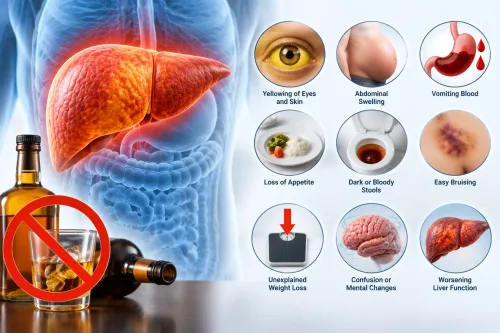
Effective cirrhosis symptoms treatment targets the cause, not just the discomfort. Report new or worsening symptoms because they can signal liver failure, infection, bleeding, or kidney injury.
- Jaundice: Treat the underlying liver disease and investigate dark urine, pale stools, fever, or rapidly yellowing skin urgently.
- Itching: Check for cholestasis; prescribed bile-acid medicines or other antipruritic treatment can help. Avoid scratching injuries and unverified supplements.
- Fatigue: Fatigue cirrhosis treatment includes correcting anaemia, thyroid disease, sleep disruption, malnutrition, and medication effects.
- Nausea or poor appetite: Review medicines, infection, constipation, and ascites while maintaining small, protein-containing meals.
- Muscle loss: Adequate calories, protein, and safe resistance exercise counter sarcopenia.
- Swelling: Ascites or leg oedema needs salt assessment, diuretics, and monitoring of weight, blood pressure, creatinine, and sodium.
- Confusion or reversed sleep: Suspect hepatic encephalopathy; urgent assessment can identify triggers such as constipation, infection, bleeding, or sedatives.
Compensated cirrhosis means no ascites, jaundice, variceal bleeding, or hepatic encephalopathy has occurred. Decompensated cirrhosis means one of these complications is present and requires hepatology review.
| Event | Meaning | Action |
|---|---|---|
| First major decompensation | Higher risk of further decline | Discuss transplant assessment |
| Worsening urine output or creatinine | Possible kidney injury | Seek same-day medical review |
Build Treatment Around the Cause and Disease Stage
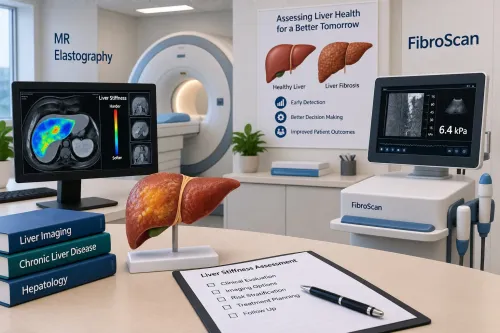
Confirm cirrhosis with blood tests, liver imaging, and, when needed, elastography or biopsy. Clinicians identify the cause and separate compensated cirrhosis from decompensated cirrhosis: ascites, jaundice, variceal bleeding, or hepatic encephalopathy signals decompensation and requires hepatology review.
1. Treat the driver. Hepatitis B treatment uses long-term antiviral therapy when indicated; hepatitis C treatment uses direct-acting antivirals. Stop alcohol completely, with supervised withdrawal and relapse-prevention care for alcohol dependence. Treat obesity, diabetes, high blood pressure, and abnormal lipids in metabolic dysfunction-associated steatotic liver disease.
Use ursodeoxycholic acid for suitable primary biliary cholangitis, immunosuppression for autoimmune hepatitis, and specialist treatment for haemochromatosis, Wilson disease, or primary sclerosing cholangitis.
2. Measure severity with bilirubin, albumin, INR, creatinine, sodium, platelet count, imaging, and clinical findings. Repeat these assessments because a stable result today does not prevent deterioration later.
3. Prevent predictable complications. Check hepatitis A and B immunity, give indicated vaccines, screen for portal hypertension and varices, and use carvedilol or endoscopic band ligation when appropriate. Hold beta blockers during hypotension, acute kidney injury, severe infection, or circulatory failure.
4. Build daily treatment around adequate calories, protein, safe resistance and aerobic exercise, and frailty screening. Avoid crash diets.
5. Refer for transplant assessment after a first major decompensating event, or sooner with recurrent complications or worsening liver or kidney function. MELD-based scores support prioritisation, but referral should not wait for a target score.
Manage Ascites, Medicines and Kidney Risk Safely
Limit sodium to about 2,000 mg daily: avoid added salt, salty packaged foods and restaurant meals, and check labels for sodium. Weigh yourself each morning after urinating; rapid weight gain, increasing abdominal size or breathlessness can mean fluid is accumulating. Do not restrict fluids unless your clinician prescribes it, usually for significant low blood sodium.
| Treatment | Main purpose | Safety point |
|---|---|---|
| Spironolactone and furosemide | Remove retained salt and water | A common starting combination is 100 mg and 40 mg daily; clinicians adjust it using weight, blood pressure, creatinine, potassium and sodium. |
| Ibuprofen or naproxen | Pain relief | Avoid them with ascites or kidney vulnerability because they reduce kidney blood flow, increase sodium retention and raise bleeding risk. |
| Acetaminophen | Preferred pain option | Use only the clinician-directed dose, commonly no more than 2 grams daily; alcohol changes its safety. |
Large, tense or treatment-resistant ascites may need paracentesis. When more than 5 litres is removed, albumin after paracentesis is commonly given at 6–8 grams per litre removed to reduce circulatory and kidney complications.
Contact your medical team promptly for:
- Much less urine, very dark urine or no urine
- New dizziness, faintness or unusually low blood pressure
- Fever, abdominal pain, vomiting or worsening weakness
- A new creatinine rise, rapid weight change or confusion
Do not increase or stop diuretics yourself. Kidney injury or infection can require temporary adjustment of diuretics and nonselective beta blockers, infection treatment, albumin and specialist therapy such as terlipressin.
Prevent and Treat Bleeding, Confusion and Hidden Complications
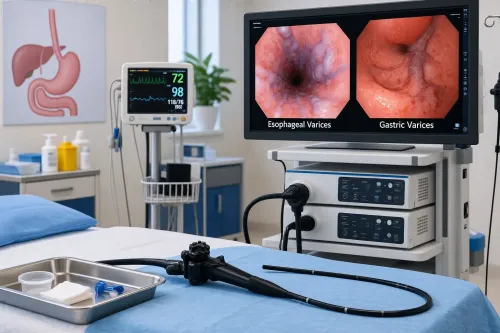
Varices are screened with upper endoscopy when portal hypertension is clinically significant. To prevent a first bleed, clinicians may use carvedilol or another nonselective beta blocker, or endoscopic band ligation when blood pressure does not tolerate medication.
Pause beta blockers during hypotension, acute kidney injury, severe infection or circulatory failure unless the treating team advises otherwise.
Acute variceal bleeding needs hospital treatment, not observation at home. Variceal bleeding treatment combines resuscitation, octreotide, preventive antibiotics and urgent endoscopic band ligation for oesophageal varices; early or rescue transjugular intrahepatic portosystemic shunt (TIPS) is considered when bleeding is high-risk or uncontrolled.
Hepatic encephalopathy treatment starts by finding the trigger: infection, gastrointestinal bleeding, constipation, dehydration, kidney injury, sedatives or electrolyte disturbance. Lactulose is adjusted to produce about two or three soft stools daily; rifaximin is commonly added after recurrent episodes. Do not restrict protein without specialist advice.
Infection can be silent, so new ascites, fever or confusion often prompts diagnostic paracentesis, cultures and antibiotics. Hepatocellular carcinoma surveillance usually uses liver ultrasound every six months, with or without alpha-fetoprotein testing. Seek emergency care for:
- Vomiting blood, black stools, fainting or severe weakness
- New confusion, extreme sleepiness or inability to wake
- Fever with abdominal pain, rapidly worsening swelling or reduced urine
- Sudden jaundice, severe breathing difficulty or uncontrolled bleeding
Protect Liver Function and Know When Transplant Assessment Starts
A first major decompensating event should trigger liver transplant evaluation, not merely another prescription. Refer earlier when episodes recur or liver or kidney function worsens. MELD-based scores help prioritize candidates, but clinical deterioration warrants referral before a particular score is reached.
Hepatocellular carcinoma surveillance continues even when you feel well. Arrange a liver ultrasound, with or without alpha-fetoprotein, about every six months; use CT or MRI to investigate a suspicious lesion rather than as routine screening for everyone.
Protective habits support long-term stability:
- Build a cirrhosis diet and protein plan with adequate calories and protein; do not restrict protein routinely to prevent confusion. Screen for muscle loss and frailty.
- Choose individualized resistance and aerobic exercise when your clinician considers it safe. If metabolic dysfunction or obesity contributes, pursue gradual weight loss, not crash dieting.
- Practise alcohol cessation regardless of the cirrhosis cause. Alcohol dependence requires medically supervised withdrawal and relapse-prevention treatment rather than unsupervised abrupt stopping.
- Follow cirrhosis medication safety advice: avoid ibuprofen and naproxen, especially with ascites or kidney risk. Acetaminophen is often preferred at a clinician-directed dose, commonly no more than 2 grams daily; alcohol changes its safety.
Dr Chetan Kalal Hepatologist Transplant can help connect worsening laboratory results, nutrition, surveillance and recurrent complications to the timing of transplant assessment.
Related services
Decompensated Cirrhosis Ascites Ascites: A Warning Sign of Advanced Liver Disease Ascites is the abnormal accumulation of fluid in the abdominal cavity, most commonly due to... |
Sepsis in Cirrhosis In cirrhosis of the liver, the liver tissue starts to break down or decay. This healthy tissue is then reinstated with scar tissue. View service → |
Frequently asked questions
How is cirrhosis treatment matched to the underlying cause?
Treatment addresses the cause, such as viral hepatitis, alcohol-related liver disease, metabolic liver disease or autoimmune disease, alongside the stage of cirrhosis and its complications.
How are ascites and kidney risk managed in cirrhosis?
Management can include sodium restriction, prescribed diuretics, fluid removal when needed, and monitoring of blood pressure, creatinine, sodium, potassium and urine output.
Which cirrhosis symptoms require urgent medical attention?
Seek urgent care for vomiting blood, black stools, sudden confusion, fever with abdominal pain, severe sleepiness, rapidly increasing abdominal swelling or a sharp reduction in urine.
When does someone with cirrhosis need transplant assessment?
Transplant assessment begins when liver failure or complications such as recurrent ascites, bleeding, encephalopathy or kidney dysfunction cannot be controlled safely with standard treatment.
Related services
"Follow-up Care" or "Chronic Disease Management Regular monitoring for patients with chronic liver conditions. Service Type for Regular Monitoring of Chronic Liver Conditions 1. View service → |
Chronic Liver disease The liver is essential for digesting food and clearing your body of toxic substances. Cirrhosis is when scar tissue supplants healthy liver tissue. View service → |
Our Comprehensive Liver Care Services are designed to provide advanced, personalized care for patients dealing with various liver conditions. Whether you’re looking for routine liver health check-ups, managing a chronic liver disease, or seeking treatment for complex liver conditions, our expert team of hepatologists and specialists are here to guide you through every step of your liver health journey. Comprehensive Liver Care Services ** we provide **Comprehensive Liver Care Services** designed to address a wide range of liver health concerns. View service → |
ACLF:- Acute chronic liver failure ACLF:- Acute chronic liver failure Acute chronic liver failure (ACLF) is a syndrome in people with chronic liver disease, whether they have cirrhosis or not. View service → |