Fat in the liver is a metabolic warning sign, but the amount of fat alone does not tell you whether scarring is developing. You will learn how doctors identify the cause, measure fibrosis risk, choose treatment, and decide when specialist or transplant-focused care is needed.
Key takeaways
- Target weight, blood sugar, triglycerides and sleep apnoea together.
- Use blood tests and elastography to assess inflammation and liver scarring.
- Fibrosis stage determines monitoring, medicines, referral and transplant planning.
- Seek specialist review when tests suggest advanced fibrosis or cirrhosis.
Why Fat Builds Up—and Which Stage Needs Treatment
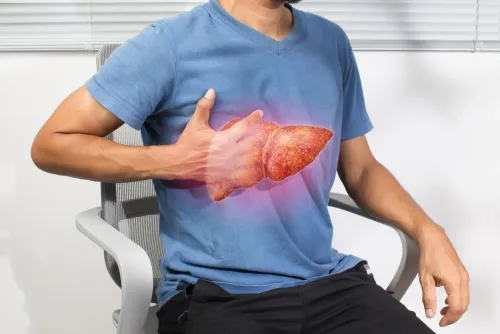
Fatty liver develops when the liver receives or makes more fat than it can process. NAFLD causes include insulin resistance, visceral fat, type 2 diabetes, abnormal cholesterol and triglycerides, PCOS, sleep apnoea and medication-related risk.
These factors drive the MASH/NASH mechanisms from insulin resistance: excess fatty acids enter liver cells, triggering oxidative stress, inflammation and cell injury. Alcohol can add to liver damage and must be assessed separately.
| Stage | What it means | Which care is needed |
|---|---|---|
| Simple steatosis | Fat is present with little or no inflammation or injury | Address weight, glucose, lipids and other causes; confirm that significant scarring is absent |
| MASLD | The current name for steatotic liver disease linked to metabolic dysfunction; it includes simple steatosis and more severe disease | Assess metabolic risks and measure fibrosis rather than judging severity from fat alone |
| MASH/NASH | Fat plus liver-cell injury and inflammation | Active treatment and fibrosis assessment are important because disease can progress |
| Liver fibrosis | Repeated injury has laid down scar tissue, graded from F0 to F4 | Fibrosis stage guides monitoring, specialist care and treatment intensity |
| Cirrhosis | Advanced F4 scarring has distorted liver structure and function | Manage complications and cancer risk; transplant assessment applies when liver failure or other serious complications develop |
Fat on an ultrasound does not show how much scarring exists. MASH, liver fibrosis and cirrhosis need treatment attention even when symptoms are absent; simple steatosis still warrants action on its metabolic drivers to prevent progression.
The Tests That Show Fat, Inflammation and Scarring
NAFLD diagnosis begins with a medical history, alcohol assessment, medication review and examination. Blood tests look for liver injury and metabolic drivers, but normal enzymes do not rule out inflammation or scarring.
- ALT, AST, bilirubin and platelet count
- Glucose, HbA1c and lipid profile
- Hepatitis testing when risk factors, symptoms or unexplained abnormalities exist
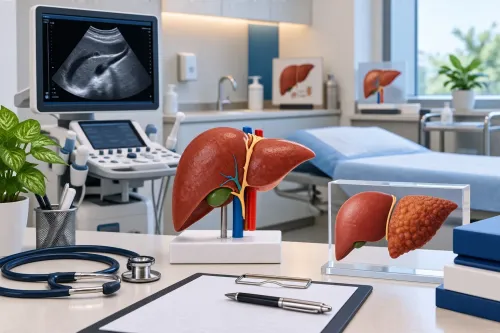
- Ultrasound to detect liver fat, though it cannot reliably show inflammation or fibrosis
FIB-4 uses age, AST, ALT and platelets: age × AST ÷ [platelet count × √ALT]. In adults aged 36–65, below 1.3 usually indicates low risk; 1.3–2.67 needs a second assessment; above 2.67 warrants specialist review. For people older than 65, use about 2.0 as the lower-risk cutoff because age raises the score.
Results in younger adults, or results that conflict with the clinical picture, need individual review rather than reassurance.
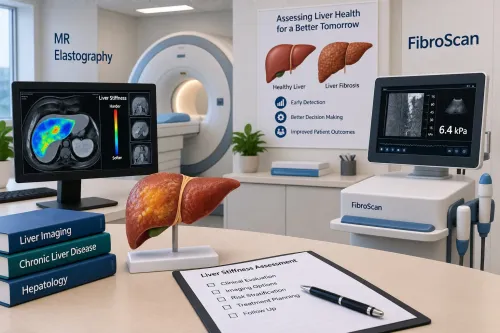
FibroScan measures liver stiffness and its controlled attenuation parameter (CAP), which estimates fat. Arrange specialist review when stiffness is persistently 8 kPa or higher; a result above 12 kPa is strongly concerning for advanced fibrosis, although inflammation and congestion can raise it.
Follow fasting preparation instructions, commonly avoiding food intake for at least three hours, because a recent meal can alter the reading. Dr Chetan Kalal Hepatologist Transplant can help reconcile FIB-4, FibroScan and blood-test results when they do not agree.
Related services
Nonalcoholic steatohepatitis (NASH) Nonalcoholic steatohepatitis (NASH) NASH, a potentially dangerous kind of liver disease, appears in those who use little to no alcohol. View service → |
Fatty Liver Disease Fatty liver disease is identified by the existence of excessive fat in the liver. View service → |
The Daily Changes That Lower Liver Fat and Metabolic Risk
Aim for weight loss targets of 3–5% to reduce liver fat; 7–10% is more likely to improve steatohepatitis and possibly fibrosis. Use a sustained calorie deficit, not a short-term detox diet, because liver benefits fade when weight returns.
Choose Mediterranean-style eating: vegetables, pulses, fruit, whole grains, nuts, fish and unsaturated oils, while reducing sugary drinks, refined carbohydrates and ultra-processed foods. Avoid binge drinking and discuss alcohol intake with your clinician, especially if fibrosis is present.
Exercise helps even when the scales barely move. Target at least 150 minutes moderate exercise each week or 75 minutes vigorous exercise, and add resistance training on two or more days when feasible. Brisk walking, cycling, swimming and strength exercises all count.
Control the conditions that keep fat accumulating:
- Diabetes: track HbA1c and follow the prescribed treatment.
- Blood pressure: monitor it and take medicines consistently.
- Triglycerides: reduce excess sugar and take lipid treatment when prescribed.
- Sleep apnoea and sleep management: seek assessment for loud snoring, witnessed pauses or daytime sleepiness.
NAFLD lifestyle treatment works through repetition, not a perfect week. Arrange sustained follow-up to review weight, waist size, glucose, lipids, blood pressure, liver tests and fibrosis risk, then adjust the plan rather than relying on symptoms.
When Medicines or Metabolic Surgery Enter the Plan
A medicine is chosen for the person and the liver stage, not for a scan showing fat alone. There is no single drug for every stage because insulin resistance, obesity, diabetes, inflammation and fibrosis require different targets.
| Option | Potential role | Main cautions |
|---|---|---|
| GLP-1 medicines, including semaglutide | Treat obesity or type 2 diabetes; weight loss can reduce liver fat. Semaglutide improved MASH resolution in a trial, but did not establish a significant fibrosis benefit. | Do not confuse a metabolic indication with approval specifically for MASH. |
| Pioglitazone or vitamin E 800 IU | Pioglitazone can improve steatohepatitis in selected patients with or without diabetes; vitamin E suits carefully selected patients. | Pioglitazone can cause weight gain and oedema; assess heart failure and fracture risk. Vitamin E requires review of bleeding risk and drug interactions. |
| Resmetirom | For selected adults with noncirrhotic F2–F3 MASH, alongside diet and exercise, where locally approved and available. | Check drug interactions, including increased exposure to some statins, and arrange thyroid monitoring and liver safety follow-up. It is not for uncomplicated fatty liver or established cirrhosis under the original approval. |
| Statins | Reduce cardiovascular risk and should not be stopped solely because you have NAFLD or compensated cirrhosis. | They are not antifibrotic NAFLD medicines. |
Bariatric surgery can deliver durable improvement in obesity-associated MASH and fibrosis. Decompensated cirrhosis requires assessment at a centre experienced in portal hypertension and transplantation because surgery can trigger liver failure or serious bleeding.
Before starting treatment, complete Indian approval and availability checks; recommendations and access differ by country.
What Changes After Fibrosis or Cirrhosis Is Found
Once significant or advanced fibrosis is found, care shifts from reducing liver fat alone to slowing progression and preventing decompensation. Your clinician may repeat liver tests and FibroScan, review medicines and alcohol, and manage obesity, diabetes, cardiovascular disease, and kidney disease more closely. Cirrhosis management adds structured checks even when you feel well.
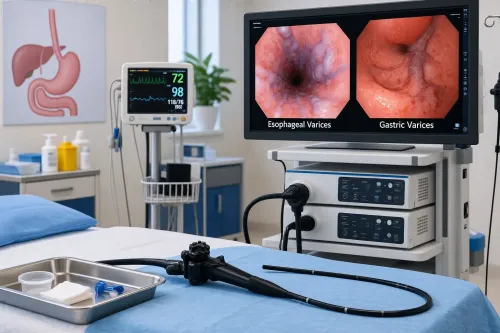
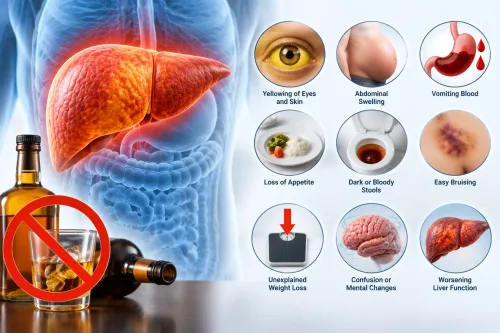
With cirrhosis, hepatocellular carcinoma surveillance every six months uses liver ultrasound, with or without alpha-fetoprotein. Assessment for portal hypertension includes blood counts, imaging and, when indicated, endoscopy for oesophageal varices. Seek urgent help for:
- Ascites causing increasing abdominal swelling
- Variceal bleeding, such as vomiting blood or passing black stools
- Hepatic encephalopathy causing confusion or unusual sleepiness
- Hepatorenal syndrome causing sharply reduced urine
Transplant assessment depends on complications, liver function, predicted survival and quality of life—not fat alone. Obesity, diabetes, cardiovascular disease, kidney disease, frailty, and active alcohol use are evaluated during candidacy; they are not automatic exclusions.
Metabolic surgery is not routine in decompensated cirrhosis because it can trigger liver failure, so discuss it only with a team experienced in portal hypertension and transplantation.
Frequently asked questions
What causes fat to build up in the liver?
Insulin resistance, visceral fat, type 2 diabetes, abnormal cholesterol and triglycerides, PCOS, sleep apnoea and some medicines can contribute to NAFLD.
Which tests show liver fat and scarring?
Blood tests assess liver injury and metabolic risk, while ultrasound or other imaging can show fat. Elastography measures liver stiffness linked to fibrosis; additional tests may be needed when results are unclear.
What daily changes help reduce liver fat?
Work with your clinician on gradual weight loss when appropriate, regular physical activity, better food choices, blood sugar control, lipid management and treatment for sleep apnoea.
When are medicines or metabolic surgery considered for NAFLD?
Treatment depends on fibrosis risk, diabetes, obesity and other metabolic conditions. A specialist may consider approved medicines for specific indications or metabolic surgery when obesity remains severe despite structured care.
What changes after fibrosis or cirrhosis is diagnosed?
Care becomes more intensive, with regular liver function and fibrosis monitoring, cirrhosis complication screening, medication review and assessment for specialist or transplant referral when liver function worsens.
Related services
Weight Loss ✅ 2. Hepatologist / Liver Specialist Fat to Fit Liver OPD – Metabolic Wellness by Dr. Chetan Kalal LiverFit & Metabolic Wellness OPD – Dr. Chetan Kalal Specialized weight loss and fatty liver reversal clinic by Maharashtra’s first DM Hepatologist. View service → |
Non Invasive Assessment Of Fatty Liver Fibroscan FibroScan: The Gold Standard for Non-Invasive Liver Assessment FibroScan (Transient Elastography) is an advanced, non-invasive diagnostic tool used... |
"Follow-up Care" or "Chronic Disease Management Regular monitoring for patients with chronic liver conditions. Service Type for Regular Monitoring of Chronic Liver Conditions 1. View service → |
ACLF:- Acute chronic liver failure ACLF:- Acute chronic liver failure Acute chronic liver failure (ACLF) is a syndrome in people with chronic liver disease, whether they have cirrhosis or not. View service → |