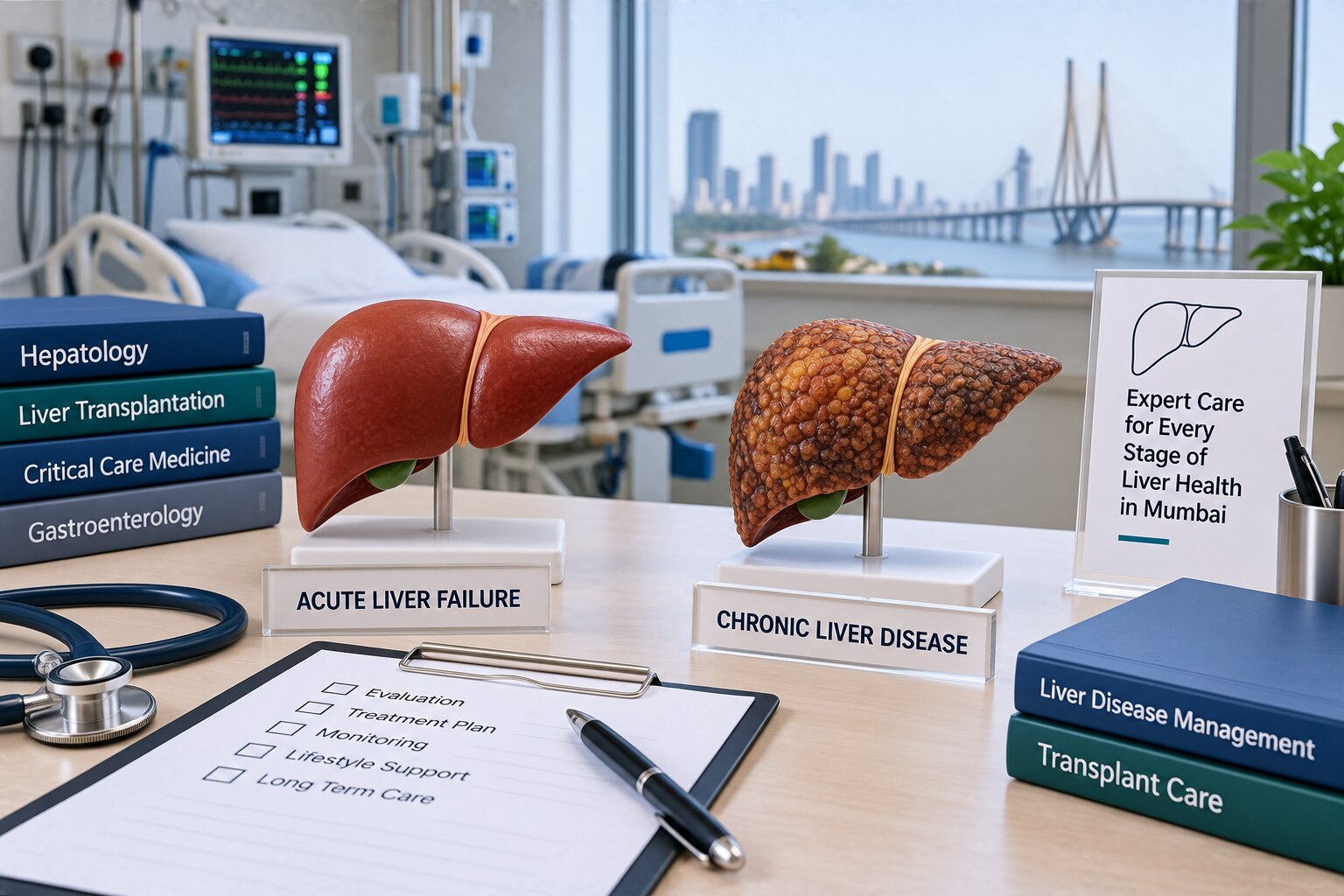
Confusion, sudden jaundice, bleeding, rapidly increasing abdominal swelling or very low urine output can signal a liver emergency, not a problem to manage through a routine appointment. You will learn how to recognise the difference, where to go first in Mumbai, what hospital teams investigate, and how long-term chronic liver disease care follows a different path.
Key takeaways
- Confusion, drowsiness, bleeding, or jaundice with worsening illness needs emergency assessment.
- A high ALT or bilirubin alone does not diagnose acute liver failure.
- Acute liver failure needs hospital monitoring, cause-specific treatment, and early transplant evaluation.
- Chronic liver disease care targets complications before ascites, bleeding, or encephalopathy develops.
When liver symptoms require emergency assessment
Acute liver failure means new coagulopathy, usually an INR of 1.5 or higher, plus hepatic encephalopathy in someone without established cirrhosis or pre-existing liver disease. It usually develops within 26 weeks. A high ALT or bilirubin alone is not liver failure.
| Condition | What it means | Usual urgency |
|---|---|---|
| Chronic liver disease without liver failure | Long-standing liver injury or cirrhosis without current organ failure | Scheduled specialist care |
| Decompensated cirrhosis | Established cirrhosis causing ascites, jaundice, bleeding or encephalopathy | Prompt hospital assessment |
| Acute-on-chronic liver failure | Sudden deterioration in someone with chronic liver disease, with one or more organ failures | Emergency hospital care |
| Acute liver failure | New coagulopathy and encephalopathy without established chronic liver disease | Liver ICU and transplant assessment |
Go straight to an emergency department for:
- New jaundice or rapidly worsening yellow eyes
- Confusion, personality change or unusual sleepiness
- Vomiting blood or passing black, tarry stools
- Severe or uncontrolled bleeding
- Rapidly increasing abdominal swelling
- Very low urine output
Do not wait for a routine hepatology appointment when confusion, bleeding or sudden jaundice appears. Cerebral edema, kidney failure and multiorgan failure can develop quickly; delayed referral can remove the opportunity for transplantation. Acute liver failure treatment in Mumbai requires rapid hospital-level assessment, not a delayed outpatient review.
The right first step in Mumbai: emergency hospital or routine clinic?
If acute liver failure is suspected, go straight to a hospital with a liver ICU, 24-hour hepatology coverage and transplant capability. Do not spend hours searching for a routine clinic: deterioration can progress to cerebral swelling, kidney failure and multiorgan failure before an outpatient appointment.
At the emergency department, tell staff when symptoms began and ask whether hepatology and transplant teams are available. Bring:
- Medication strips, including paracetamol and prescription drugs
- Supplements, herbal products and recent injections
- Previous liver reports, scans and discharge summaries
- A clear timeline of jaundice, confusion, vomiting, bleeding or reduced urine
Do not take further non-prescribed medicines or alcohol while waiting for assessment. An expert liver doctor can coordinate testing and transplant referral, but suspected acute liver failure needs hospital stabilisation first. Dr Chetan Kalal Hepatologist Transplant can help coordinate specialist evaluation and ongoing care after the immediate emergency is addressed.
Acute and chronic pathways differ sharply:
| Pathway | What happens | Time scale |
|---|---|---|
| Acute liver failure | Frequent neurological checks, glucose, INR, kidney and infection monitoring; rapid organ support and transplant decisions | Hours to days |
| Chronic liver disease | Cause-directed treatment, medication review, complication prevention and cancer surveillance | Months to years |
| Acute-on-chronic failure | Hospital assessment for sudden deterioration and organ dysfunction on longstanding disease | Immediate admission, then reassessment |
Routine liver disease treatment in Mumbai suits scheduled follow-up, not new confusion, unusual sleepiness, sudden jaundice, bleeding or very low urine output.
Related services
Emergency Liver Care ALF Acute Liver Failure (ALF): A Race Against Time Acute Liver Failure (ALF) is a life-threatening condition characterized by rapid deterioration of... |
ACLF:- Acute chronic liver failure ACLF:- Acute chronic liver failure Acute chronic liver failure (ACLF) is a syndrome in people with chronic liver disease, whether they have cirrhosis or not. View service → |
What the hospital team investigates and treats in acute liver failure
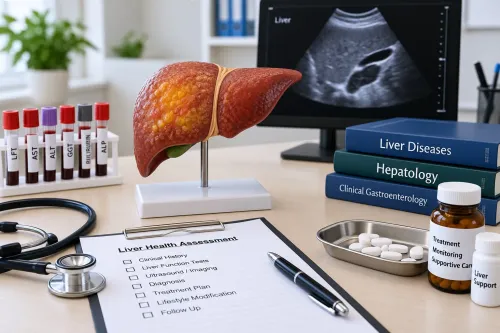
Acute liver failure treatment in Mumbai starts with repeated assessment, not a single blood result. The team repeats INR, bilirubin, AST, ALT and other liver-function tests, while tracking glucose, creatinine, urea, urine output, electrolytes and blood counts.
They assess infection with cultures and imaging, and test hepatitis A, B and E where relevant, hepatitis C, and autoimmune markers.
Clinicians take a detailed timeline of acetaminophen or paracetamol, prescription medicines, supplements, herbal products, occupational exposures and other toxins. Ultrasound with Doppler checks liver blood flow and vascular obstruction. Frequent neurological examinations look for worsening encephalopathy and cerebral edema.
- Stop a suspected causative drug or toxin and give N-acetylcysteine for acetaminophen toxicity; specialists also use it in selected early non-acetaminophen cases.
- Treat confirmed viral, autoimmune or infectious causes under specialist supervision.
- Use intensive care for airway protection, low glucose, electrolyte disturbance, kidney injury, infection and raised intracranial pressure. Lactulose alone is not an adequate response to encephalopathy in acute liver failure.
- Reassess INR, consciousness, glucose, kidney function and organ support needs repeatedly. King's College criteria help specialists estimate transplant need, but they are not a standalone online score.
- Refer urgently for transplantation when recovery appears unlikely, even while testing continues.
This advanced hepatology treatment pathway separates treatment of the trigger from support of failing organs. Recovery remains possible in some patients, but repeated clinical findings—not one test—decide whether emergency transplantation is needed.
How chronic liver disease care prevents the next decompensation
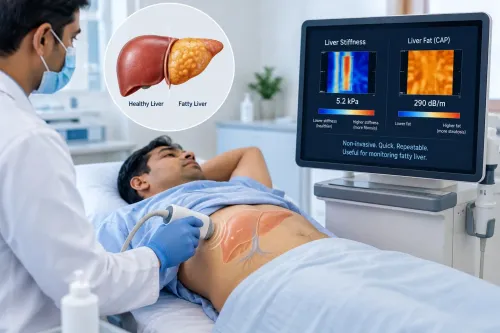
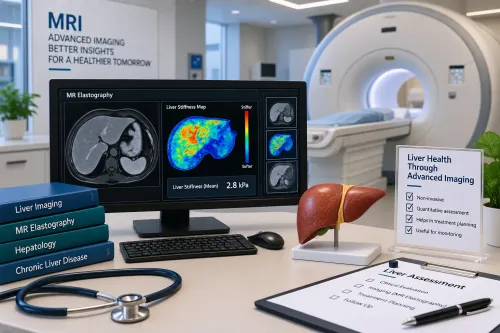
Long-term liver disease treatment in Mumbai starts by measuring fibrosis or confirming cirrhosis through blood tests, platelet count, ultrasound, elastography, and sometimes endoscopy or biopsy.
Clinicians assess portal hypertension, test for hepatitis B and C, review alcohol use and metabolic risks such as obesity and diabetes, and check every medicine, supplement and painkiller for liver or kidney harm.
People with cirrhosis generally need liver ultrasound with or without alpha-fetoprotein about every six months for liver-cancer surveillance. CT or MRI characterises a detected nodule; it does not replace routine surveillance after a normal scan.
Use this complication checklist:
- Hospitalised patients with cirrhotic ascites need diagnostic paracentesis even without fever or abdominal pain. Spontaneous bacterial peritonitis is diagnosed at an ascitic polymorphonuclear leukocyte count of at least 250 cells/mm³.
- For portal hypertension, carvedilol or another nonselective beta-blocker, or endoscopic variceal ligation, requires selection based on blood pressure, kidney function and ascites.
- For overt encephalopathy, titrate lactulose to two or three soft stools daily, not severe diarrhoea. Add rifaximin after recurrent episodes when indicated, and look for infection, bleeding, constipation, dehydration, sedatives, kidney injury and electrolyte disturbance.
- TIPS is an advanced hepatology treatment for selected refractory ascites or bleeding, not routine therapy; diverting blood around the liver can worsen encephalopathy.
Why the timeline and transplant decisions are different
Acute liver failure can deteriorate over hours to days, so monitoring and transplant decisions cannot wait for routine follow-up. Chronic liver disease care unfolds over months or years, with repeated reviews and planned prevention. An expert liver doctor may coordinate liver disease treatment in Mumbai, but suspected acute liver failure needs hospital-level assessment first.
Acute liver failure means new coagulopathy, usually INR 1.5 or higher, plus hepatic encephalopathy in someone without established cirrhosis or pre-existing liver disease. ACLF is different: longstanding liver disease suddenly worsens with organ dysfunction, so hospital assessment is urgent even though the underlying disease is chronic.
| Pathway | Monitoring and treatment | Transplant decision |
|---|---|---|
| Acute liver failure | Intensive monitoring of consciousness, glucose, INR, kidneys, infection and cerebral edema; the cause may still be under investigation | Urgent evaluation if recovery appears unlikely |
| Chronic liver disease | Repeated visits for hepatitis or metabolic treatment, nutrition, portal-hypertension prevention, cancer surveillance and liver-function review | Reassess periodically as complications and liver function change |
| ACLF | Hospital assessment for sudden deterioration, infection and multiple-organ dysfunction | Consider transplant after assessing reversibility, severity and baseline disease |
Nutrition also follows the pathway. Sustained 7–10% weight loss can benefit compensated metabolic dysfunction-associated steatotic liver disease, but aggressive dieting can worsen sarcopenia. Decompensated cirrhosis needs individualised nutrition and transplant-oriented planning.
Sudden jaundice, confusion, bleeding, rapidly increasing swelling or very low urine output means emergency hospital assessment, not a delayed outpatient review.
Frequently asked questions
When do liver symptoms require emergency assessment?
Seek emergency assessment for confusion, unusual drowsiness, bleeding, rapidly worsening jaundice, repeated vomiting, severe abdominal swelling, or sudden deterioration. Acute liver failure involves new coagulopathy, usually an INR of 1.5 or higher, plus hepatic encephalopathy in a person without established cirrhosis or pre-existing liver disease.
Should I visit an emergency hospital or a routine liver clinic in Mumbai?
Go to an emergency hospital for confusion, reduced alertness, bleeding, rapidly worsening jaundice, or other sudden severe symptoms. Use a routine liver clinic for stable abnormal liver tests, fatty liver, chronic hepatitis, compensated cirrhosis, or planned follow-up without acute deterioration.
What does a hospital investigate and treat in acute liver failure?
The team checks mental status, INR and other clotting results, glucose, kidney function, electrolytes, liver tests, blood counts, viral hepatitis tests, acetaminophen exposure, autoimmune markers, toxins, infection, and liver imaging. Treatment addresses the cause, protects the brain and other organs, manages low glucose and complications, and begins early transplant-centre discussion when recovery is unlikely.
How does chronic liver disease care prevent the next decompensation?
Care monitors liver function, kidney function, nutrition, medications, alcohol exposure, ascites, varices, jaundice, and encephalopathy. It also treats hepatitis, screens for liver cancer, manages portal hypertension, and creates a plan for vaccinations, follow-up tests, and transplant referral when liver function worsens.
Why are transplant decisions different in acute and chronic liver disease?
Acute liver failure can worsen over days and requires early assessment because the liver has little time to recover. Chronic liver disease usually progresses over months or years, allowing monitoring, complication prevention, and planned transplant evaluation based on decompensation, liver function, overall health, and expected benefit.
Related services
Hospital & Critical Care Services (Sub-focus: Liver ICU, Hepatology IPD & Transplant Emergency Care) IPD & ICU Services – Acute Liver Failure (ALF) & Acute-on-Chronic Liver Failure (ACLF) 🌐 Service Description (Expert + SEO-Optimized) Dr Chetan Kalal, Maharashtra’s first DM Hepatologist, leads an advanced In-Patient (IPD) and... View service → |
Chronic Liver disease The liver is essential for digesting food and clearing your body of toxic substances. Cirrhosis is when scar tissue supplants healthy liver tissue. View service → |
Liver Transplant Consultation & Pre/Post-Operative Management Liver Transplant in Mumbai – Best Specialist Care at Gleneagles, Hinduja , Saifee & Breach Candy Looking for trusted and expert liver transplant care in Mumbai? Dr. View service → |
Liver Transplant Consultation is a specialized medical service offering expert evaluation, guidance, and personalized care planning for patients with advanced liver disease considering liver transplantation. # Liver Transplant Consultation — Dr. Chetan Kalal *First DM Hepatologist of Maharashtra | Liver Specialist in Mumbai* --- ## Title Tag (SEO... View service → |
Keywords