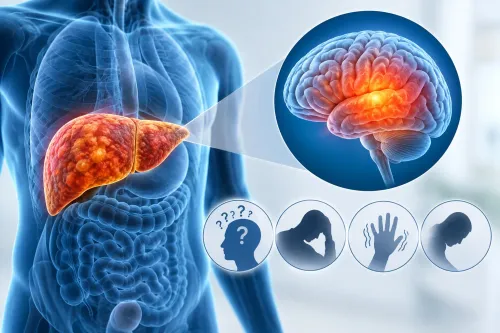

A complex transplant case can involve acute liver failure, kidney injury, cancer, portal-vein obstruction, infection, severe malnutrition or an anatomically difficult operation. You will learn when to seek urgent assessment, how a program tests both candidacy and donor safety, how to compare hospitals, and which questions reveal meaningful outcomes beyond testimonials.
Key takeaways
- Acute liver failure and repeated decompensation require urgent transplant-centre assessment.
- Ask for MELD-Na review, organ-failure management and a clear eligibility plan.
- Compare ICU, nephrology, infection, radiology and blood-bank support before choosing a centre.
- Review risk-adjusted outcomes, donor pathways, follow-up care and published survival figures.
Which liver conditions need complex transplant support or urgent assessment?
Acute liver failure, a high MELD-Na score, or repeated decompensation needs transplant-centre review rather than a routine appointment. The team must coordinate hepatology, transplant surgery, critical care, nephrology, infection treatment, radiology and blood-bank planning.
| Condition | Why specialist coordination matters |
|---|---|
| Acute liver failure | Deterioration can be rapid, requiring intensive care and urgent transplant assessment. |
| Recurrent encephalopathy or refractory ascites | Repeated confusion or fluid uncontrolled by treatment signals advanced disease; TIPS or transplant may need comparison. |
| Variceal bleeding | Endoscopy, blood replacement and portal-pressure treatment must happen quickly. |
| Portal vein thrombosis or previous abdominal surgery | Altered vessels and surgical scarring complicate imaging, reconstruction and operative planning. |
| Hepatocellular carcinoma | Imaging must assess tumour size, vascular invasion and spread before transplant. |
| Kidney failure, severe infection or malnutrition | These conditions reduce eligibility and recovery unless treated early. |
| Difficult blood-group matching | Allocation, donor options and blood-bank preparation require additional planning. |
Seek emergency care for vomiting blood, black stools, confusion, severe jaundice, rapidly increasing abdominal swelling, reduced urine output, fever with abdominal pain, or sudden deterioration in liver tests. Do not wait for a scheduled clinic visit.
Referral before critical illness matters. Infection, frailty, kidney failure and muscle loss can narrow treatment options and increase complications. A headline liver transplant survival rate cannot predict an individual result; acute illness, cancer, kidney function and nutritional status change risk substantially.
How does a transplant program decide whether a patient is ready and eligible?
Eligibility is a staged decision, not a single score. The transplant team combines organ function, cancer status, procedural risk, recovery capacity and available support.
1. Blood tests measure bilirubin, INR, albumin, sodium, creatinine and blood counts; kidney results feed into the MELD-Na calculation. MELD-Na helps prioritise deceased-donor allocation, but it does not replace clinical judgment. Child-Pugh class adds bilirubin, albumin, INR, ascites and encephalopathy to describe severity.
2. Screening looks for hepatitis viruses, HIV, tuberculosis and other active infections. Echocardiography, electrocardiography, stress testing when indicated, chest imaging and pulmonary-function testing assess whether the heart and lungs can tolerate surgery. Imaging reviews tumour burden, portal and hepatic veins, portal-vein thrombosis and previous surgical changes.
3. The team assesses nutrition, obesity, diabetes, muscle strength and sarcopenia, because rapid unsupervised dieting can worsen weakness. A psychosocial review checks understanding, mental health, medication reliability, finances, family caregiving and transport; the program also confirms family or living-donor support.
For hepatocellular carcinoma, eligibility depends on tumour size and number, macrovascular invasion, spread outside the liver and response to locoregional treatment. Classic Milan criteria allow one tumour up to 5 cm or up to three tumours, each up to 3 cm, without macrovascular invasion or extrahepatic disease.
Before transplant, paracentesis may relieve tense ascites, endoscopic treatment may control varices, and portal-vein intervention may restore access. TIPS can treat refractory ascites or bleeding, but encephalopathy, severe liver failure, heart failure or pulmonary hypertension can make it unsafe; selected patients may need it instead of transplant.
What should you compare when choosing a complex-care transplant program?
Compare the whole system, not a doctor’s reputation or the phrase “top liver specialist in India.” Ask for annual transplant volume, case mix, audited outcomes, emergency access and what happens if you deteriorate at night or after discharge.
| Program feature | What to verify | Why it matters |
|---|---|---|
| Transplant service | Annual adult and paediatric volume, case mix and risk-adjusted outcomes | A headline number can hide experience with acute failure, cancer or portal-vein thrombosis |
| Critical care | 24-hour transplant ICU coverage, experienced anaesthetists and intensivists | Bleeding, infection, kidney failure and graft problems need immediate treatment |
| Procedural support | Interventional radiology, endoscopy, dialysis and continuous renal replacement therapy | The team may need to control bleeding, drain ascites or support failing kidneys before or instead of transplant |
| Hospital backup | Blood-bank access, infection-control protocols, nephrology, oncology and paediatric services | Complex cases often involve transfusion, resistant infection, cancer or a child’s specialist needs |
| Continuity | Named transplant coordinator, medication monitoring and structured follow-up | Missed immunosuppressive doses or delayed laboratory tests can cause rejection |
Ask who leads each decision: the hepatologist, transplant surgeon, anaesthetist, intensivist, radiologist, pathologist, pharmacist, dietitian, psychologist and transplant coordinator. Confirm how they communicate and who answers urgent calls.
For someone considering liver transplant in Mumbai, assess Dr Chetan Kalal Hepatologist Transplant alongside the hospital’s emergency, ICU, blood-bank and follow-up systems. Also ask whether a living donor receives independent imaging, infectious-disease testing, psychosocial counselling and voluntariness review; financial or family pressure must stop that evaluation.
Related services
Liver Transplant Consultation – Top Programs in India India’s Top Liver Transplant Programs – Dr. Chetan Kalal’s Multicenter Expertise When it comes to liver transplantation in India, Dr. Chetan Kalal is renowned for offering world-class care across some of the country’s leading... View service → |
Advanced Liver Transplant Solutions Liver Transplant Surgery & Liver Failure Management Comprehensive Living Donor Liver Transplant Program — Mumbai Living Donor Liver Transplant (LDLT) — Advanced Liver Transplant Surgery in Mumbai Description: Living Donor Liver Transplant (LDLT) is a life-saving... View service → |
How do living-donor and deceased-donor transplants differ in difficult cases?
In difficult cases, a living-donor transplant can reduce dependence on India’s deceased-donor waiting list, but it does not guarantee eligibility or immediate surgery.
| Option | Waiting and timing | Graft-size difference |
|---|---|---|
| Living donor | A suitable donor can allow planned surgery sooner than deceased-donor allocation. Evaluation, medical optimisation and recipient eligibility still determine timing. | Surgeons transplant a carefully sized portion of the donor’s liver, matching the recipient’s needs while preserving the donor’s remnant. |
| Deceased donor | The recipient remains dependent on registration, allocation priority, blood-group compatibility and organ availability. Timing is unpredictable. | The graft may be a whole liver or a split graft; size, anatomy and preservation time must suit the recipient. |
The donor is assessed as an independent patient, not as an extension of the recipient’s evaluation. The work-up includes age and health review, blood-group and infectious-disease testing, CT or MRI mapping of liver volume, sufficient remnant volume, vascular anatomy and bile-duct anatomy, plus psychosocial consent and independent donor counselling.
Donor risks include bile leak, bleeding, infection and liver failure. Recipient risks include bleeding, vascular or bile-duct complications, infection, rejection and kidney injury. Financial pressure or family coercion must stop the evaluation; consent must remain voluntary and withdrawable at every stage.
Which outcome figures and practical preparations reveal the quality of care?
A liver transplant survival rate is incomplete without a time point and patient group. Broad international benchmarks are about 90% at one year and 75%–80% at five years, but acute failure, cancer, kidney disease, infection, frailty and age change the outlook.
Liver transplant success stories often omit MELD score, listing status, complications, follow-up duration and graft survival.
Ask for audited results, split by case type and risk:
| Measure | What to request | Why it matters |
|---|---|---|
| Patient survival | One- and five-year figures | Shows how recipients live over time |
| Graft survival | One- and five-year figures | Separates recipient survival from graft performance |
| Access and recovery | Wait-list mortality, reoperation and readmission | Reveals risks before and after surgery |
| Technical complications | Biliary-complication rates | Shows the burden of leaks, strictures and interventions |
| Living donation | Donor complication rate | Measures harm to healthy donors |
Care continues for life. Immunosuppressants such as tacrolimus, mycophenolate and corticosteroids need dose and blood-test monitoring; missed doses can cause rejection. Ask how the program manages kidney toxicity, diabetes, hypertension, infection, cardiovascular disease and cancer. Dietitian-supervised nutrition should address obesity, diabetes, sarcopenia and muscle-preserving exercise; rapid dieting can worsen frailty.
Before travelling for liver transplant in Mumbai or another city, confirm:
- Scans, pathology and blood reports; current medication list; blood-group records; vaccination history.
- Identity documents and insurance authorisation; caregiver, accommodation and leave-from-work arrangements.
- Reliable transport, phone access and a scheduled plan for lifelong follow-up.
Frequently asked questions
Which liver conditions need urgent transplant-centre assessment?
Acute liver failure, a high MELD-Na score, repeated decompensation, liver cancer within transplant criteria and complications involving kidney, infection or critical illness need specialist review.
How does a transplant program decide whether a patient is eligible?
The team reviews liver disease severity, MELD-Na, heart and lung fitness, kidney function, infection, cancer status, substance use, nutrition, social support and the risks of surgery and lifelong immunosuppression.
What should you compare when choosing a complex-care transplant program?
Compare 24-hour transplant cover, ICU capacity, hepatology and surgery expertise, nephrology, infection care, interventional radiology, blood-bank access, donor coordination and post-transplant follow-up.
How do living-donor and deceased-donor transplants differ?
A living-donor transplant uses part of a medically evaluated donor’s liver and can allow planned surgery. A deceased-donor transplant depends on allocation, urgency, blood group and organ availability.
Which figures reveal the quality of transplant care?
Ask for one-year and five-year patient and graft survival, risk-adjusted results, waiting-list outcomes, complication rates, readmissions, living-donor results and how the centre defines each figure.
Related services
Liver Transplant Consultation & Pre/Post-Operative Management Liver Transplant in Mumbai – Best Specialist Care at Gleneagles, Hinduja , Saifee & Breach Candy Looking for trusted and expert liver transplant care in Mumbai? Dr. View service → |
Hepatology | liver Transplant | Liver Transplant Surgery Best Liver Transplant Specialists in Mumbai India Our Liver is the largest body organ in our body. It plays a vital role in food digestion, and energy storage, and removes poisons. View service → |
Liver Transplant Consultation & Cost Overview Cost of Liver Transplant in India – What Patients Need to Know Considering a liver transplant in India? Dr. Chetan Kalal provides expert liver transplant consultations and offers detailed insights into the cost... View service → |
Liver Transplant Consultation is a specialized medical service offering expert evaluation, guidance, and personalized care planning for patients with advanced liver disease considering liver transplantation. # Liver Transplant Consultation — Dr. Chetan Kalal *First DM Hepatologist of Maharashtra | Liver Specialist in Mumbai* --- ## Title Tag (SEO... View service → |
Keywords