New jaundice after heavy alcohol use needs more than an AST and ALT test: alcoholic hepatitis can overlap with cirrhosis, infection, kidney injury and other causes of liver failure. You will learn which symptoms require hospital care, how doctors confirm severity, what treatment involves, and how to choose the right level of care in Mumbai.
Key takeaways
- Jaundice plus recent heavy alcohol use needs urgent medical assessment.
- AST and ALT results alone cannot confirm alcoholic hepatitis.
- Doctors use bilirubin, INR, creatinine and severity scores to guide treatment.
- Stopping alcohol safely and treating complications are central to recovery.
How do doctors recognise alcoholic hepatitis and distinguish it from other liver problems?
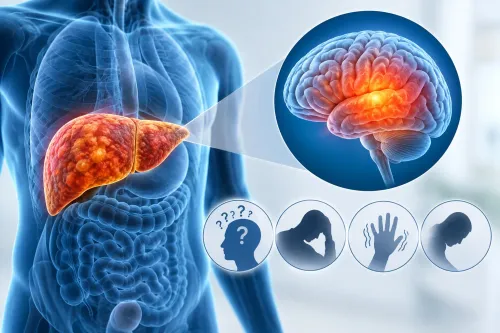
Alcoholic hepatitis is usually recognised by recent-onset jaundice after substantial alcohol exposure, bilirubin above 3 mg/dL, AST commonly 50–400 IU/L, and an AST:ALT ratio above 1.5. Enzyme results alone do not confirm it. Doctors also consider fever, right-upper-abdominal pain, nausea, vomiting, appetite loss, weakness, confusion, abdominal swelling and gastrointestinal bleeding.
| Condition | What it means | Typical clues |
|---|---|---|
| Alcoholic fatty liver | Fat accumulation without established severe injury | Few or no symptoms; abnormal liver tests may be mild |
| Alcoholic hepatitis | Sudden alcohol-related liver inflammation | New jaundice, bilirubin above 3 mg/dL, AST 50–400 IU/L, AST:ALT above 1.5 |
| Alcohol-associated cirrhosis | Established scarring with portal hypertension | Ascites, enlarged spleen, varices, confusion or long-standing liver disease |
| Acute-on-chronic liver failure | Sudden organ failure in someone with chronic liver disease | Confusion, kidney injury, infection, low blood pressure or failure of another organ |
Go to a hospital emergency department for vomiting blood, black stools, fainting, severe confusion, rapidly worsening jaundice, fever, marked sleepiness, inability to keep fluids down, severe abdominal swelling or reduced urine output. Do not wait for a routine appointment.
Alcohol withdrawal can cause seizures or delirium tremens. If you drink heavily or feel dependent, do not stop abruptly without medical supervision; withdrawal treatment may need monitoring and medication.
What tests confirm the diagnosis and show how dangerous it is?
Alcoholic hepatitis is a clinical diagnosis, not a result from AST and ALT alone. Doctors combine recent alcohol exposure, jaundice, examination findings, laboratory results and exclusion of competing causes.
1. Document the alcohol history: beverage type, quantity, frequency, last drink and withdrawal symptoms such as tremor, sweating, seizures or hallucinations. Examine for jaundice, ascites, encephalopathy, gastrointestinal bleeding and infection.
2. Order a complete blood count, bilirubin, AST, ALT, alkaline phosphatase, albumin, INR or prothrombin time, creatinine and sodium. Bilirubin and INR show impaired liver function and severity; creatinine and sodium reveal kidney dysfunction and broader organ failure. AST and ALT alone cannot confirm alcoholic hepatitis.
3. Test for infection with blood cultures, urine testing and a chest X-ray when symptoms or examination suggest infection. Request an abdominal ultrasound with Doppler when obstruction, portal-vein problems, ascites or abnormal blood flow needs assessment.
4. Rule out hepatitis B and C, acetaminophen toxicity, drug-induced liver injury, autoimmune hepatitis, biliary obstruction, sepsis and ischaemic liver injury. Maddrey’s discriminant function, MELD-Na, ABIC and the Glasgow Alcoholic Hepatitis Score estimate short-term risk or treatment urgency; none replaces examination.
A biopsy is usually unnecessary because it is invasive and often does not change treatment. A transjugular liver biopsy helps when the diagnosis remains uncertain or another liver disease is still possible, especially when clotting is impaired or ascites makes percutaneous biopsy less suitable.
What happens during the first days of alcoholic hepatitis treatment?
The first days focus on preventing withdrawal and organ failure, not simply lowering liver enzymes. This is advanced hepatology treatment and requires close monitoring when jaundice, kidney injury or severe disease is present.
1. Stop alcohol through a supervised withdrawal plan. Monitor for tremor, seizures and delirium tremens, and treat withdrawal safely rather than stopping abruptly at home.
2. Screen repeatedly for infection and gastrointestinal bleeding. Check for spontaneous bacterial peritonitis, pneumonia, urinary or bloodstream infection, fever, new confusion, vomiting blood and black stools. Assess creatinine, urine output and kidney function, and correct low glucose and dehydration carefully without causing fluid overload.
3. Replace deficiencies when testing or examination indicates a need. Treatment commonly includes thiamine and folate, with magnesium, zinc or other nutrients added when deficient. Provide planned nutrition rather than unsupervised high-calorie intake: aim for about 35 kcal/kg/day and 1.2–1.5 g protein/kg/day through frequent meals plus a late-evening snack.
Do not routinely restrict protein for encephalopathy.
4. Consider prednisolone 40 mg daily for 28 days only in carefully selected severe alcoholic hepatitis, commonly with Maddrey’s score at least 32 or MELD above about 20. Exclude or address infection, active bleeding, severe kidney failure and uncontrolled diabetes first.
Recalculate the Lille score around day 4–7; a result above 0.45 usually means stopping steroids.
If steroids are unsuitable or ineffective, involve specialists, consider a clinical trial or selected transplant evaluation. Pentoxifylline is not routine. Never self-start steroids, antibiotics, herbal products or detox remedies.
How can you recover and prevent another episode?
Complete, sustained alcohol abstinence is the central intervention for alcoholic liver disease recovery. Combine counselling, motivational interviewing, mutual-support groups and addiction psychiatry with medication when appropriate. Acamprosate or carefully selected naltrexone requires review of liver and kidney function, pregnancy, opioid use and withdrawal risk; do not delay addiction treatment until the liver stabilises.
- Hepatic encephalopathy: use lactulose, and add rifaximin for recurrent episodes; search for infection, bleeding, constipation, dehydration or sedative use.
- Ascites: restrict sodium, monitor weight and use diuretics when safe; new or worsening fluid needs diagnostic paracentesis.
- Spontaneous bacterial peritonitis: fever, abdominal pain, confusion or kidney injury requires immediate fluid testing and antibiotics.
- Acute kidney injury: stop harmful medicines, assess infection and bleeding, restore circulation carefully and give albumin when indicated.
- Variceal bleeding: treat vomiting blood or black stools as an emergency requiring resuscitation, antibiotics, vasoactive treatment and urgent endoscopy.
- Withdrawal: use medically supervised treatment with thiamine; abrupt unsupervised stopping can cause seizures or delirium tremens.
After discharge, repeat bilirubin, INR, creatinine, sodium, albumin and platelet count, alongside mental-status and fluid assessments. Review vaccines, nutrition appointments, medicines, renal monitoring and six-monthly liver-cancer surveillance when appropriate.
Fat and enzymes can improve within weeks, but fibrosis or cirrhosis may regress only partly over much longer periods; normal AST and ALT do not prove that scarring or portal hypertension resolved.
Renewed jaundice, confusion, fever, bleeding, swelling, vomiting or low urine output needs urgent reassessment. Selected non-responders may need transplant referral based on medical urgency, psychosocial assessment, relapse-prevention participation and support—not one fixed six-month rule.
Which level of liver care should you choose in Mumbai?
| Level of care | Choose it when | What it provides |
|---|---|---|
| Emergency department | Bleeding, confusion, fainting, fever, low blood pressure, severe jaundice, inability to drink or reduced urine | Immediate blood tests, infection and bleeding assessment, fluids, withdrawal monitoring and organ-support decisions |
| Tertiary liver or transplant admission | Severe Maddrey or MELD-Na scores, kidney injury, organ failure, ascites, encephalopathy or repeated admissions | Coordinated hepatology, intensive care, endoscopy, interventional procedures and transplant assessment |
| Outpatient review | You are alert, drinking, passing urine and clinically stable | Planned testing, medication review, nutrition care and addiction treatment |
Do not choose an outpatient appointment for vomiting blood, black stools, fainting, severe confusion, marked sleepiness, fever, rapidly worsening jaundice or very low urine output. Alcohol withdrawal can cause seizures or delirium tremens, so dependent drinkers need a supervised withdrawal plan rather than abrupt cessation alone.
Liver disease treatment in Mumbai may require a tertiary liver or transplant service for jaundice that persists, ascites, encephalopathy, recurrent admissions, kidney dysfunction, a rising MELD-Na score or suspected liver cancer. New ascites with fever, pain, confusion or kidney injury needs hospital assessment and often diagnostic paracentesis.
For specialist review, bring liver reports, ultrasound or CT images, discharge papers, medication and supplement lists, and an accurate record of alcohol type, amount, frequency and last drink. Dr Chetan Kalal Hepatologist Transplant can help coordinate specialist assessment, but a virtual second opinion cannot replace examination, emergency testing or inpatient care.
Ask the clinic which hospital handles emergencies, inpatient management, transplant evaluation, endoscopy and addiction support. Expect repeated blood tests, medication monitoring, nutrition and addiction appointments, family involvement and possible readmission.
Related service
Alcoholic hepatitis occurs when a person consumes more alcohol than the liver can process. Such a condition is treated by Alcoholic Hepatitis Specialist in Girgaon. View service → |
Frequently asked questions
How do doctors recognise alcoholic hepatitis?
Doctors look for recent-onset jaundice after substantial alcohol exposure, bilirubin above 3 mg/dL, AST usually 50–400 IU/L, and an AST:ALT ratio above 1.5. They also assess fever, abdominal pain, vomiting, confusion, swelling and bleeding.
Which tests confirm alcoholic hepatitis and show its severity?
Blood tests include bilirubin, AST, ALT, INR, albumin, creatinine, sodium and a complete blood count. Doctors also investigate viral hepatitis and infection, use ultrasound to assess the liver and bile ducts, and calculate scores such as Maddrey’s discriminant function and MELD-Na.
What happens during the first days of alcoholic hepatitis treatment?
Treatment starts with stopping alcohol under medical supervision, monitoring withdrawal, correcting dehydration and nutrition problems, and looking for infection, bleeding, kidney injury or confusion. Severe cases may need corticosteroids after infection is assessed, while some patients need intensive or transplant-centre care.
How can you recover and prevent another episode?
Avoiding alcohol completely, attending addiction treatment, eating enough protein and calories, taking prescribed medicines, treating hepatitis or cirrhosis, and attending follow-up appointments support recovery. Seek urgent help for worsening jaundice, confusion, vomiting blood or black stools.
Which level of liver care should you choose in Mumbai?
Choose an expert liver doctor for new jaundice or abnormal tests, advanced hepatology treatment for severe alcoholic hepatitis or complications, and a transplant centre when liver failure, recurrent complications or transplant evaluation is a concern.
Keywords