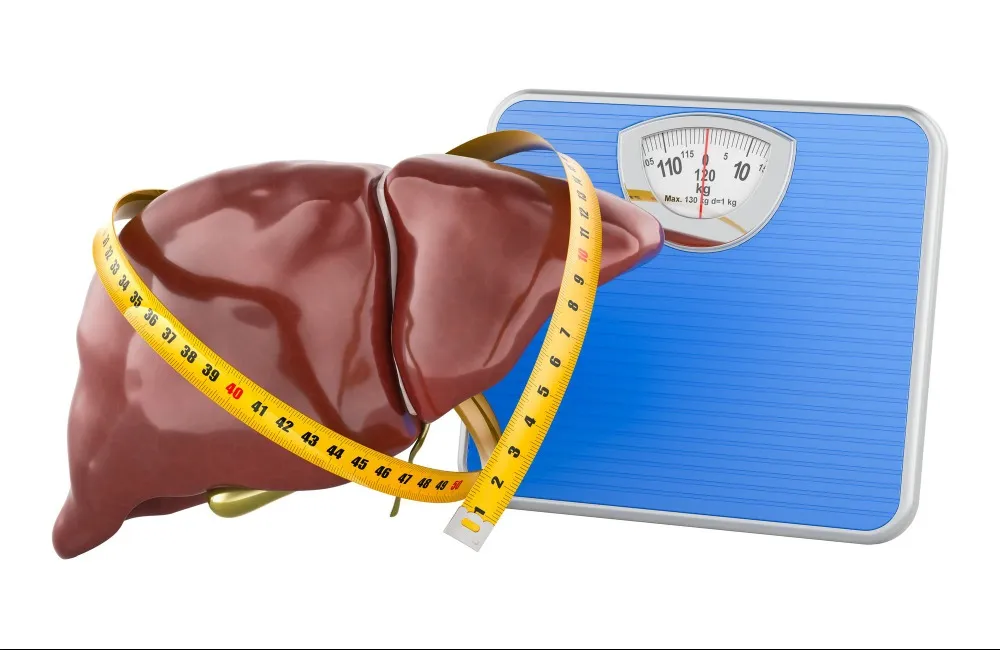
Obesity is closely connected with metabolic dysfunction-associated steatotic liver disease, commonly called MASLD. As metabolic risk factors become more common, obesity and liver disease prevention strategies have become an important part of preventive hepatology.
The liver can accumulate excess fat without causing obvious symptoms. In some people, continued metabolic stress can lead to inflammation and fibrosis.
Why body weight matters to liver health
Excess body fat, insulin resistance, diabetes, high triglycerides, and other metabolic abnormalities can contribute to liver fat accumulation.
But body weight is only one part of the picture.
A person can develop fatty liver without severe obesity, particularly when other metabolic or genetic risk factors are present.
This is why prevention should focus on overall metabolic health rather than weight alone.
Who should pay particular attention?
Liver assessment may be worth discussing if you have:
- Type 2 diabetes
- Prediabetes
- Abdominal obesity
- High triglycerides
- High cholesterol
- High blood pressure
- Fatty liver on imaging
- Persistent elevation of liver enzymes
- A strong family history of metabolic disease
AASLD identifies obesity, diabetes, hypertension, and dyslipidemia among important metabolic factors associated with MASLD.
Practical strategies that support liver health
Build sustainable eating habits
Rather than focusing on one liver-cleansing food, concentrate on overall dietary quality.
A balanced eating pattern can emphasize:
- Vegetables
- Fruits in appropriate portions
- Whole grains
- Legumes
- Adequate protein
- Nuts and seeds where appropriate
- Healthy sources of fats
Highly processed foods and excessive added sugars should be limited.
Increase physical activity
Exercise can improve insulin sensitivity and metabolic health even before major changes in body weight occur.
Walking, resistance training, cycling, swimming, and other sustainable activities can be incorporated according to the person's health and fitness level.
Manage diabetes and cholesterol
Poorly controlled diabetes and dyslipidemia can increase metabolic stress.
Liver health should therefore be considered alongside cardiovascular and metabolic care.
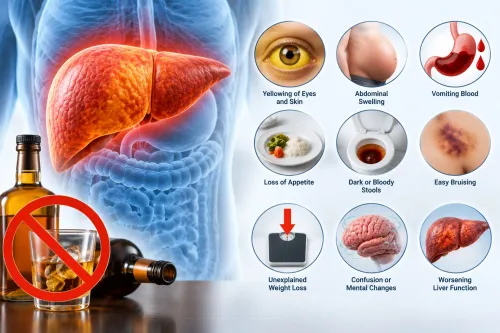
Avoid unnecessary alcohol
Alcohol can add another source of liver injury, particularly in people who already have metabolic liver disease.
Is weight-loss medication relevant?
New therapies have expanded treatment options for selected patients with obesity and metabolic liver disease. AASLD updated its guidance regarding semaglutide for selected adults with MASH and moderate-to-advanced fibrosis.
However, medication is not automatically appropriate for everyone with fatty liver or obesity. The choice depends on medical history, disease stage, indications, risks, and treatment goals.
Prevention also means detecting fibrosis early
A person can have fatty liver without advanced fibrosis, while another person with apparently mild symptoms may already have significant scarring.
Non-invasive assessments such as FIB-4 and elastography can help identify patients who require closer evaluation.
For Mumbai residents, preventive liver assessment can be especially useful when metabolic conditions are already being managed by other doctors. Coordinating liver health with diabetes, weight, blood pressure, and cholesterol management provides a more complete picture.
Patients seeking specialist evaluation can consult Dr. Chetan Kalal, Hepatologist and Liver Transplant Specialist, to understand whether abnormal liver tests, fatty liver, or metabolic risk factors warrant further assessment.
The most effective liver prevention strategy is rarely a single supplement or restrictive diet. It is consistent management of metabolic health, appropriate screening, and early attention to risk factors before significant fibrosis develops.
Keywords