Cirrhosis is advanced liver scarring, but it is often the endpoint of chronic liver injury that develops over many years. This makes cirrhosis prevention and liver health awareness important even for people who currently feel healthy.
Prevention starts by identifying liver disease before substantial scarring develops and treating the cause consistently.
What causes cirrhosis?
Cirrhosis can result from several conditions, including:
- Chronic hepatitis B
- Chronic hepatitis C
- Metabolic dysfunction-associated steatotic liver disease
- Alcohol-associated liver disease
- Autoimmune liver diseases
- Certain genetic and metabolic disorders
- Long-standing bile duct diseases
The prevention strategy depends on the cause.
Step one: Do not ignore persistent liver abnormalities
An elevated ALT or AST does not automatically mean cirrhosis. But persistent abnormalities deserve explanation.
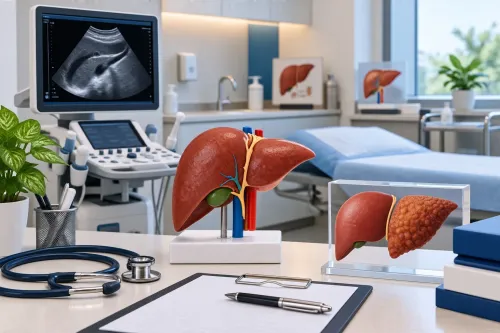
Similarly, fatty liver discovered during an ultrasound should not always be dismissed as a harmless finding.
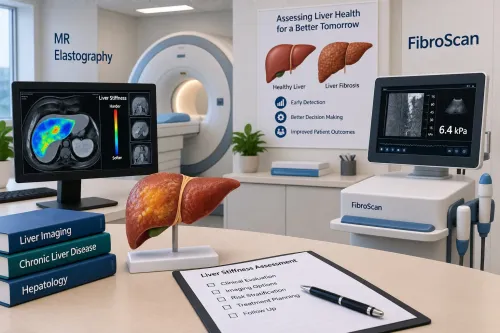
The next step may involve blood tests, imaging, fibrosis scoring, or elastography depending on the individual's risk.
Step two: Know your hepatitis status
Chronic viral hepatitis can remain silent for years.
Appropriate testing can identify infection, while disease-specific treatment and monitoring can reduce the risk of long-term complications.
Vaccination also plays an important role in preventing certain viral infections where vaccination is indicated.
Step three: Control metabolic risk factors
Diabetes, obesity, high triglycerides, and related metabolic conditions are increasingly important contributors to chronic liver disease.
Managing these conditions can support both liver and cardiovascular health.
AASLD identifies systematic early detection of fibrosis as an important priority among people with cardiometabolic risk factors.
Step four: Be cautious with alcohol
Regular heavy alcohol exposure can progressively damage the liver.
People with existing liver disease should discuss alcohol use with their treating clinician because the safest recommendation can depend on the underlying condition and severity.
Step five: Review medicines and supplements
Natural does not automatically mean harmless.
Certain herbal products and supplements can cause liver injury. Patients should tell their doctor about everything they take, including non-prescription products.
What are signs of advanced liver disease?
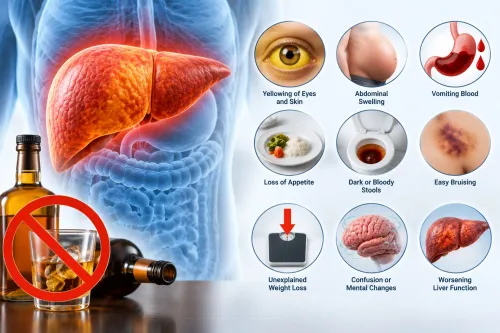
Early liver disease may be silent, but advanced disease can produce:
- Yellowing of the eyes or skin
- Abdominal swelling
- Leg swelling
- Confusion or excessive sleepiness
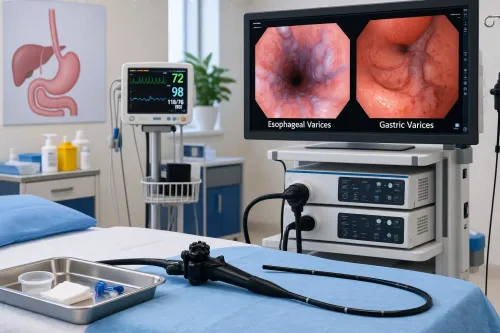
- Vomiting blood
- Black stools
- Unexplained weight loss
- Easy bruising
- Significant weakness
These symptoms require prompt medical assessment.
Prevention becomes even more important after fibrosis is detected
Once significant fibrosis is identified, the objective changes from simple screening to active disease management.
The patient may require regular monitoring, treatment of the underlying condition, and surveillance for complications.
For people with cirrhosis, specialist follow-up can help identify complications before they become emergencies.
In Mumbai, patients can seek hepatology evaluation from Dr. Chetan Kalal Hepatologist and Liver Transplant Specialist when persistent liver abnormalities, fibrosis, hepatitis, or suspected cirrhosis require specialist assessment.
Build a personal liver-health checklist
A practical annual review may include questions such as:
- Do I know whether I have hepatitis?
- Have my liver enzymes remained abnormal?
- Do I have diabetes or metabolic risk factors?
- Has fatty liver been found on imaging?
- Do I need fibrosis assessment?
- Are my medicines and supplements appropriate?
- Is my alcohol intake affecting my liver?
- If I have cirrhosis, am I following the recommended surveillance plan?
Cirrhosis prevention is not about finding one perfect food or supplement. It is about reducing repeated liver injury, detecting disease early, treating its cause, and maintaining appropriate follow-up.
For Mumbai families, better liver awareness can help shift care from late-stage crisis management toward earlier, more proactive disease control.
Keywords