
Recovery from alcoholic liver disease is not simply a matter of waiting for liver enzymes to return to normal. Alcohol-associated liver disease can range from fatty liver to hepatitis, cirrhosis, and acute liver failure. The treatment plan therefore needs to address both liver injury and the alcohol-related behavior that may be driving continued damage.
AASLD describes alcohol-associated liver disease as a spectrum that can progress from steatosis to more advanced disease, with continued heavy alcohol exposure contributing to progression.
The first priority is stopping ongoing injury
For many patients with alcohol-associated liver disease, complete abstinence from alcohol is a central component of management.
The reason is straightforward. If alcohol continues to injure the liver, medical treatment and lifestyle improvements may have limited impact.
Stopping alcohol can also create an opportunity to assess how much liver function can recover.
However, people who drink heavily should not assume that suddenly stopping alcohol without medical guidance is always safe. Withdrawal can be medically serious for some individuals and may require supervised management.
Recovery depends on disease stage
Alcohol-associated fatty liver
Fat accumulation may improve significantly after stopping alcohol and addressing other health risks.
Alcohol-associated hepatitis
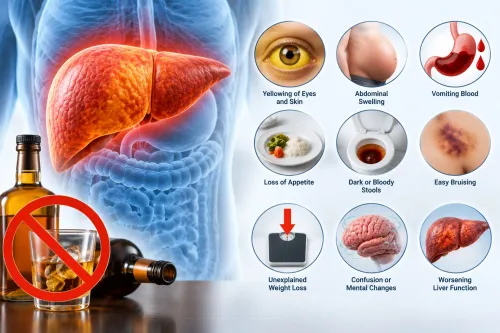
This can be a serious inflammatory condition requiring medical assessment, particularly when symptoms such as jaundice, abdominal swelling, fever, confusion, or significant weakness occur.
Alcohol-associated cirrhosis
Once cirrhosis is established, the focus shifts toward preventing and managing complications while maintaining abstinence and nutritional health.
Advanced liver failure
Patients with severe liver dysfunction may require transplant evaluation.
Rehabilitation is more than willpower
Long-term recovery can be difficult when alcohol dependence is involved.
A practical rehabilitation plan may include:
- Medical assessment
- Alcohol-use screening
- Addiction-focused support
- Nutrition management
- Family involvement
- Mental health support when appropriate
- Regular hepatology follow-up
- Monitoring of liver function
- Management of cirrhosis complications
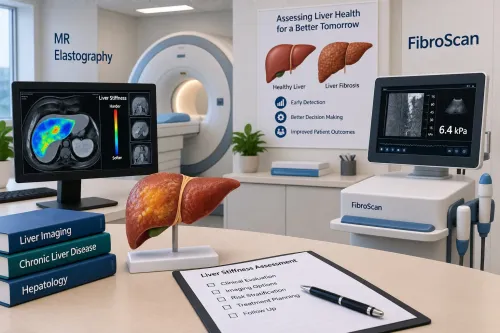
AASLD emphasizes structured assessment of alcohol use as part of evaluating alcohol-associated liver disease.
Nutrition deserves special attention
Advanced liver disease can be associated with muscle loss and malnutrition. Patients should not respond by adopting extreme fasting or highly restrictive diets.
Nutritional planning should consider calorie needs, protein intake, muscle preservation, diabetes, fluid status, and the stage of liver disease.
Can the liver recover?
The answer depends on how much damage has occurred.
Early alcohol-associated liver injury can improve substantially when alcohol exposure stops. Advanced fibrosis or cirrhosis is more complex and requires long-term management.
The key is to avoid the assumption that feeling better means the liver has completely recovered.
When should a hepatologist be involved?
Specialist evaluation is particularly important when a patient has:
- Jaundice
- Ascites
- Abnormal liver tests that persist
- Low platelet count
- Confusion or altered behavior
- Vomiting blood or black stools
- Significant weight loss
- Known cirrhosis
- Repeated alcohol-associated liver injury
For families in Mumbai, Dr. Chetan Kalal Hepatologist and Liver Transplant Specialist can assess the severity of liver disease, coordinate ongoing hepatology management, and determine whether advanced evaluation is required.
Recovery is a continuing process
A successful recovery plan combines abstinence, medical treatment, nutrition, monitoring, and support.
For patients with advanced disease, regular follow-up is particularly important because complications can develop even after alcohol use has stopped.
The most useful goal is not simply improving one blood-test value. It is reducing the factors damaging the liver, preserving remaining liver function, preventing complications, and identifying the need for advanced treatment as early as possible.
Keywords