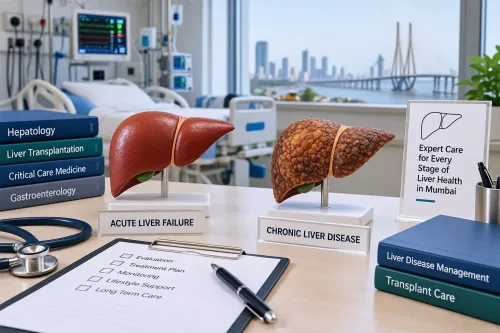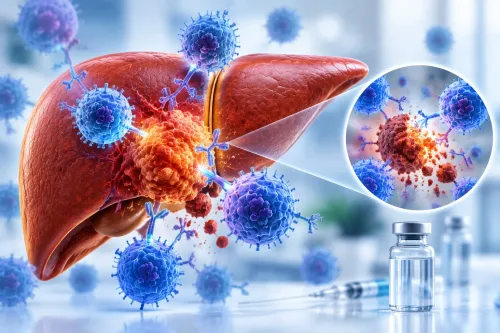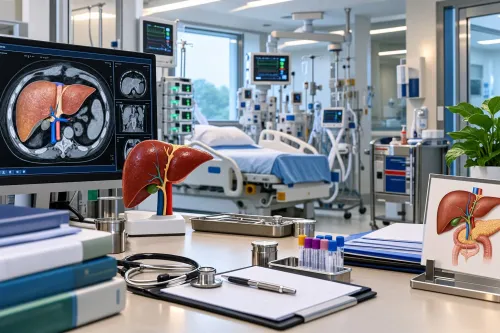
The phrase regenerative liver medicine and innovative therapies often appears in discussions about the future of liver treatment. Patients naturally want to know whether new therapies can repair damaged liver tissue, reverse fibrosis, or reduce the need for transplantation.
Research in hepatology is moving quickly, particularly in metabolic liver disease, fibrosis assessment, targeted medicines, and regenerative approaches. But it is important to distinguish established treatment from therapies that remain under investigation.
Why regeneration matters in liver disease
The liver has a remarkable ability to regenerate after certain types of injury. However, repeated or severe injury can lead to fibrosis and eventually cirrhosis.
Once advanced scarring and architectural changes develop, the liver's ability to compensate can become limited.
This has created significant interest in therapies that could:
- Reduce inflammation
- Prevent fibrosis progression
- Promote healthier liver tissue
- Improve metabolic drivers
- Modify pathways involved in scar formation
- Restore liver function
New treatment approaches are changing hepatology
One major area of innovation is metabolic liver disease.
MASH, a progressive form of steatotic liver disease, is increasingly being studied through therapies targeting metabolic pathways, inflammation, and fibrosis.
AASLD updated its guidance in 2025 regarding semaglutide therapy for selected adults with MASH and moderate-to-advanced fibrosis, reflecting the expanding treatment landscape.
This does not mean every person with fatty liver should receive such treatment. Patient selection and clinical assessment remain essential.
Non-invasive technology is also part of innovation
Innovation is not limited to medicines.
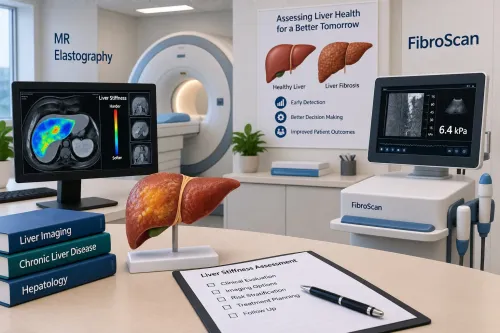
Modern hepatology increasingly uses non-invasive tools to assess liver fibrosis and monitor disease.
These may include:
- FIB-4 and other blood-based scores
- Transient elastography
- Magnetic resonance elastography
- Advanced imaging
- Biomarker-based assessment
AASLD has dedicated guidance covering both blood-based and imaging-based non-invasive liver assessment.
Recent research has also demonstrated the potential of elastography to provide prognostic information comparable to biopsy in selected MASLD populations.
What does regenerative mean for patients today?
It does not mean that an established cirrhotic liver can simply be replaced or repaired through a routine regenerative treatment.
Patients should be cautious about claims involving guaranteed liver regeneration, stem-cell cures, or therapies marketed as replacements for established medical treatment.
The current clinical focus remains on controlling the cause of liver injury, preventing fibrosis progression, treating complications, and selecting advanced therapies when evidence supports their use.
Where transplantation fits
For patients with irreversible advanced liver failure, transplantation remains an important treatment option.
Innovative medical therapies may change how patients are managed before transplantation, and better disease control may alter the timing of transplant evaluation. But advanced liver failure still requires careful assessment by a transplant-focused team.
Patients in Mumbai exploring advanced treatment options can discuss the evidence, suitability, potential benefits, and limitations of emerging therapies with Dr. Chetan Kalal Hepatologist and Liver Transplant Specialist.
How to evaluate a new liver treatment
Before considering an innovative therapy, ask:
- What condition is it actually approved or recommended for?
- What stage of liver disease was studied?
- Is the evidence from clinical trials or preliminary research?
- What are the known side effects?
- Does it replace or complement standard treatment?
- How will treatment response be monitored?
- Is transplantation still relevant if the disease is advanced?
The future of hepatology is likely to combine better risk prediction, earlier diagnosis, targeted medicines, metabolic treatment, non-invasive monitoring, and improved transplant care.
For patients, the most important development is not simply having access to something new. It is having access to the right evidence-based treatment at the right stage of liver disease.
Keywords