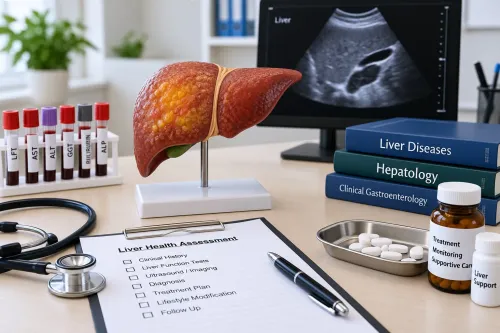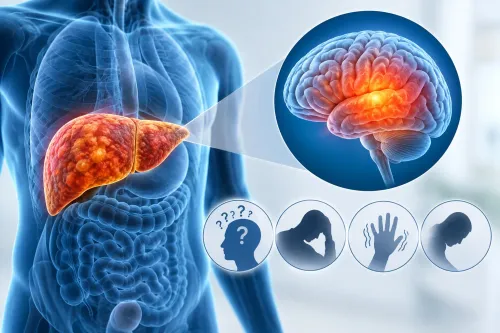
When a family member needs a liver transplant, one of the first questions is often whether another family member can become a living liver donor. Living donor liver transplantation can involve transplanting a portion of the donor's liver, but donation is never based simply on willingness. Liver donor guidelines for transplantation are designed to protect the donor while determining whether donation is medically and legally appropriate.
In India, living organ donation is regulated under the Transplantation of Human Organs and Tissues Act and related rules. A potential donor therefore needs both medical assessment and appropriate authorization.
Who can become a living liver donor?
According to India's National Organ and Tissue Transplant Organisation, living donors must generally be at least 18 years old. Medical suitability is determined through detailed evaluation rather than age alone.
For near-relative donation, recognized relationships include parents, children, siblings, grandparents, grandchildren, and spouses. Donations from people who are not near relatives can also be possible in specific circumstances, but additional authorization requirements apply.
The exact eligibility of an individual must be determined by the transplant team and relevant authorization process.
What does donor evaluation involve?
Donor assessment is intentionally comprehensive. The team needs to determine whether the person's liver anatomy and general health make donation reasonably safe.
Evaluation may include:
- Detailed medical history
- Physical examination
- Blood tests
- Blood-group assessment
- Liver function testing
- Viral infection screening
- Imaging of the liver and blood vessels
- Assessment of liver volume
- Cardiovascular evaluation when indicated
- Psychological assessment
- Review of medications and lifestyle factors
Imaging is particularly important because liver blood vessels and bile ducts can differ between individuals. The transplant team needs to understand the donor's anatomy before considering surgery.
Why donor safety comes first
A donor is a healthy person undergoing major surgery for someone else. This creates a unique ethical responsibility.
The transplant team must determine whether the expected recipient benefit justifies proceeding while keeping donor risk as low as reasonably possible.
A potential donor should be encouraged to ask:
- What tests will I undergo?
- What surgical risks apply to me?
- How long might recovery take?
- What follow-up will I need?
- What happens if I am found unsuitable?
- Will declining donation affect the recipient's care?
A person should never feel pressured into donating.
Understanding India's authorization process
Medical eligibility is only one part of the process. India's transplant framework includes documentation and authorization requirements for living donation. NOTTO lists separate forms covering near-relative donors, spouses, other living donors, medical fitness, relationship verification, and authorization.
This means families should not assume that a willing relative automatically qualifies as a donor.
What makes a donor evaluation different in Mumbai?
Mumbai has a large population of patients who may seek advanced liver care from different parts of Maharashtra and neighboring states. Families may therefore arrive with medical records from multiple hospitals, imaging centres, and laboratories.
Bringing organized records can make specialist assessment more efficient. Useful documents include:
- Previous liver reports
- Imaging scans
- Blood-test results
- Hospital discharge summaries
- Current medication lists
- Previous biopsy reports, if available
- Information about previous surgeries
A hepatologist can help determine whether the recipient should proceed toward transplant evaluation and whether a proposed donor requires further assessment.
For families consulting Dr. Chetan Kalal Hepatologist and Liver Transplant Specialist, donor evaluation should be viewed as a structured medical process rather than simply a blood-group matching exercise.
A potential donor should know the difference
Being willing to donate does not mean being medically suitable.
Being medically suitable does not automatically complete the legal authorization process.
And completing donor evaluation does not remove the need for careful recipient assessment.
Living liver donation can offer an important transplantation pathway for selected patients, but the process must remain centered on informed consent, donor safety, recipient need, medical suitability, and regulatory compliance.
For families in Mumbai considering living donor liver transplantation, starting the assessment early gives the transplant team more time to evaluate both recipient and donor carefully rather than making decisions under emergency conditions.
Keywords