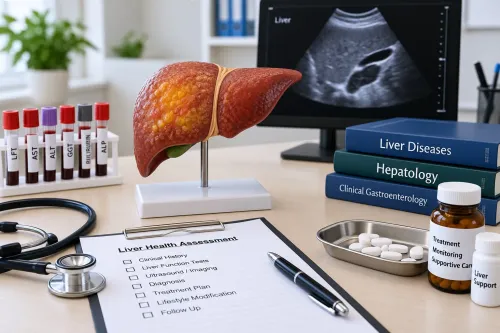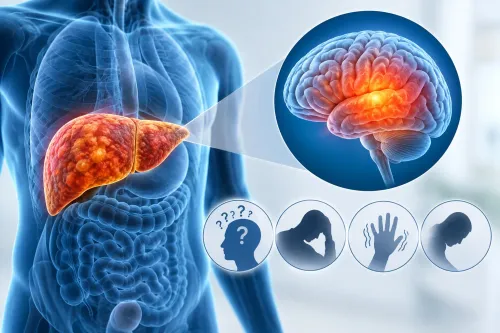
A liver transplant can be a life-changing treatment for people with advanced liver disease, but families often have one question before everything else: What is the liver transplant survival rate? The answer cannot be reduced to one percentage because outcomes depend on the patient's overall health, liver disease severity, cause of liver failure, transplant timing, donor factors, and quality of follow-up care.
Modern liver transplantation involves much more than the operation itself. Evaluation before transplantation, careful donor and recipient assessment, infection prevention, medication adherence, nutrition, and long-term monitoring all influence recovery.
What determines liver transplant survival?
Survival after transplantation varies between individuals and transplant programs. Important factors include:
- The patient's condition before surgery
- Whether transplantation is performed before severe complications develop
- Kidney and cardiovascular health
- The underlying cause of liver failure
- Presence of infections or other serious illnesses
- Donor liver quality and compatibility
- Post-transplant medication adherence
- Regular monitoring for rejection and complications
Patients who undergo transplantation while they are medically stable may have a different risk profile from those who reach transplant with severe infection, kidney dysfunction, malnutrition, or multiple organ complications.
This is why a survival statistic found online should never be treated as an individual prediction.
Why patient care continues after transplantation
The transplanted liver needs ongoing medical supervision. Immunosuppressive medicines are generally required to reduce the risk of rejection. These medicines must be taken exactly as prescribed because missed doses can have serious consequences.
Follow-up may include:
- Liver function blood tests
- Medication review
- Kidney function monitoring
- Blood pressure and metabolic monitoring
- Infection surveillance
- Assessment of nutritional status
- Screening appropriate to the patient's age and medical history
- Evaluation of any symptoms suggesting rejection or other complications
The long-term goal is not simply to make it through surgery. It is to help the recipient maintain good liver function and quality of life over many years.
Living donor and deceased donor transplantation
In India, liver transplantation may involve a portion of the liver from a living donor or a liver from a deceased donor. Living donor transplantation requires detailed assessment because the safety of the donor is an essential part of the process. India's National Organ and Tissue Transplant Organisation states that living donors must be at least 18 years old and undergo appropriate medical and regulatory evaluation.
For families in Mumbai, transplant planning may involve coordination between a hepatologist, transplant surgeon, anaesthesia team, intensivists, nutrition specialists, and other medical professionals.
What families can do to improve long-term outcomes
Family support can make a substantial practical difference. Patients may need help organizing medicines, attending follow-up appointments, maintaining a suitable diet, recognizing warning symptoms, and avoiding unsafe self-medication.
It is also important to discuss every medicine, supplement, and herbal preparation with the treating team. Some substances can affect the liver or interact with transplant medicines.
For patients considering transplantation, an early consultation with Dr. Chetan Kalal Hepatologist and Liver Transplant Specialist can help clarify whether transplant evaluation is appropriate, what investigations may be required, and what factors could influence individual outcomes.
A better way to understand survival statistics
Instead of asking only, What is the liver transplant survival rate?, families should ask:
- What is my current liver disease stage?
- Is transplantation indicated now or later?
- What factors could increase my surgical risk?
- What complications should we prepare for?
- What will long-term follow-up involve?
- How will my health be monitored after transplantation?
These questions provide a much more meaningful picture than a single survival percentage.
For patients and families in Mumbai and across Maharashtra, early specialist assessment can help identify transplant needs at an appropriate stage rather than waiting until liver failure becomes an emergency. Long-term transplant success is a continuing process of medical care, monitoring, healthy habits, and timely intervention.
Keywords