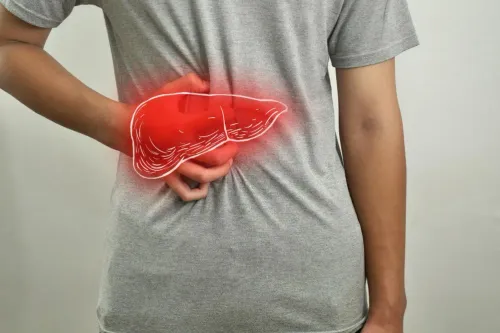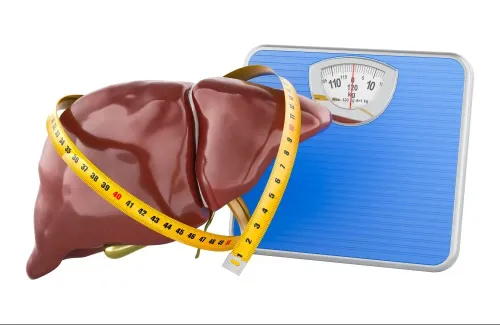
Liver diseases are becoming increasingly common across the world, yet many people remain unaware of how everyday habits influence liver health. Conditions such as fatty liver disease, viral hepatitis, liver fibrosis, and cirrhosis often develop gradually without obvious symptoms, making early detection challenging. This is why liver health awareness campaigns and prevention initiatives play a vital role in encouraging healthier lifestyles, timely screening, and informed healthcare decisions.
Public awareness programmes do more than educate, they empower individuals to recognise risk factors, adopt preventive measures, and seek medical advice before liver disease progresses. In growing urban centres like Mumbai, where lifestyle-related health conditions such as obesity and diabetes are on the rise, community awareness can significantly contribute to reducing the burden of chronic liver disease.
Why Liver Health Awareness Is Important
The liver performs more than 500 essential functions, including filtering toxins, producing bile for digestion, storing nutrients, regulating metabolism, and supporting the immune system. Despite its importance, liver disease often remains unnoticed because early stages rarely produce symptoms.
Awareness initiatives help people understand:
- The importance of routine liver health assessments
- Common causes of liver disease
- Lifestyle habits that protect the liver
- When specialist consultation is appropriate
- Available preventive measures and vaccinations
Greater awareness encourages people to take action before complications develop.
Common Liver Diseases That Benefit from Early Detection
Several liver conditions can be identified and managed more effectively when diagnosed early.
These include:
- Metabolic dysfunction-associated steatotic liver disease (MASLD)
- Hepatitis A, B, and C
- Alcohol-related liver disease
- Liver fibrosis
- Cirrhosis
- Autoimmune liver disorders
- Certain inherited liver diseases
Many of these conditions progress silently, making regular medical check-ups especially valuable for people with known risk factors.
Who Should Be More Aware of Liver Health?
Although everyone benefits from learning about liver health, some individuals have a higher risk of developing liver disease.
These include people with:
- Type 2 diabetes
- Obesity or excess abdominal weight
- High cholesterol
- High blood pressure
- Viral hepatitis infection
- Family history of liver disease
- Excessive alcohol consumption
- Metabolic syndrome
Awareness campaigns encourage these groups to seek screening and adopt healthier lifestyle practices.
Key Messages Promoted Through Prevention Initiatives
Effective liver health campaigns focus on practical, evidence-based guidance rather than creating fear.
Common recommendations include:
- Maintaining a healthy body weight
- Eating a balanced diet rich in vegetables, fruits, whole grains, and lean protein
- Exercising regularly
- Avoiding unnecessary alcohol consumption
- Receiving recommended hepatitis vaccinations
- Practising safe hygiene and infection prevention
- Taking medications only under medical supervision
- Attending routine health check-ups
These preventive measures can help lower the risk of many liver conditions.
The Role of Screening in Prevention
Routine health assessments often identify liver problems before symptoms appear.
Depending on individual risk factors, healthcare providers may recommend:
- Liver function blood tests
- Ultrasound examination
- FibroScan assessment when clinically indicated
- Screening for viral hepatitis
- Blood sugar and cholesterol evaluation
People with diabetes, obesity, or persistent abnormal liver tests should discuss liver screening with their healthcare provider.
Community Education Supports Better Outcomes
Awareness programmes in schools, workplaces, healthcare institutions, and community organisations help improve understanding of liver disease.
Educational initiatives may include:
- Public health talks
- Health screening camps
- Educational workshops
- Social media awareness campaigns
- World Hepatitis Day activities
- Patient education sessions
- Preventive healthcare programmes
These efforts encourage individuals to seek reliable medical information and reduce misconceptions surrounding liver disease.
Families Also Play an Important Role
Liver health awareness extends beyond individual patients. Families often help recognise early symptoms, encourage healthier eating habits, and support regular medical follow-up.
Simple family-based initiatives include:
- Preparing balanced home-cooked meals
- Encouraging regular physical activity
- Limiting sugary beverages and processed foods
- Supporting smoking and alcohol cessation efforts where appropriate
- Reminding loved ones about routine health screenings
Healthy lifestyle choices become easier when the entire household participates.
Reliable Information Matters
Unfortunately, misinformation about liver disease is common, particularly online. Claims about 'instant liver detoxes,' miracle supplements, or guaranteed cures are often unsupported by scientific evidence.
When learning about liver health, individuals should:
- Rely on qualified healthcare professionals
- Refer to recognised medical organisations
- Ask questions during consultations
- Avoid self-medicating with unverified products
- Understand that prevention is usually more effective than treating advanced disease
Evidence-based information helps patients make informed healthcare decisions.
Specialist Guidance Complements Prevention
While awareness campaigns encourage early action, personalised medical evaluation remains essential for individuals with abnormal liver tests, persistent symptoms, or known liver disease.
For people in Mumbai seeking specialised hepatology care, Dr. Chetan Kalal Hepatologist and Liver Transplant Specialist provides comprehensive evaluation, diagnosis, and management of a wide range of liver disorders. Patients can also explore educational resources through drchetankalalliverspecialist.com to better understand liver disease prevention, modern diagnostic methods, and treatment options based on current medical evidence.
Building a Healthier Future Through Awareness
Liver health is closely linked to everyday choices, making prevention one of the most effective strategies for reducing chronic liver disease. Awareness campaigns help communities understand the importance of balanced nutrition, regular exercise, timely screening, vaccination, and early medical consultation.
As knowledge about liver disease continues to improve, individuals and families are better equipped to recognise risks, seek appropriate care, and adopt healthier lifestyles. Combined with evidence-based medical guidance, community awareness and prevention initiatives have the potential to reduce the impact of liver disease and promote better long-term health across all age groups.
Keywords