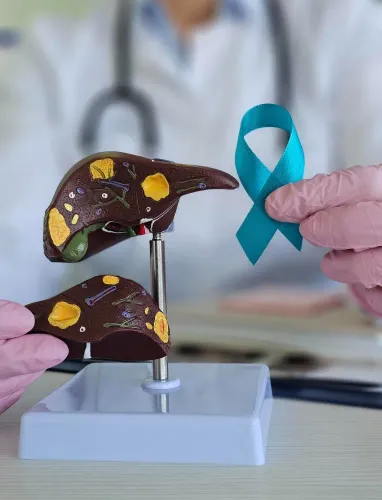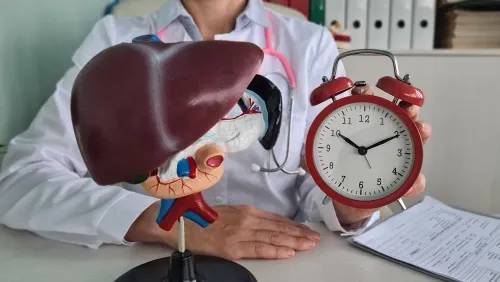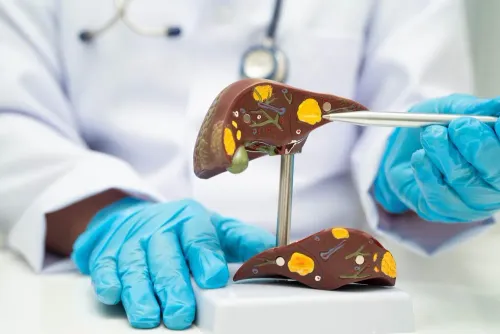

A person with chronic liver disease can lose attention, reaction speed and judgment before appearing confused in conversation. By recognising those changes early, you can reduce immediate safety risks, identify a reversible trigger and seek the right level of care before a crisis develops.
Key takeaways
- Watch for slowed thinking, sleep changes, poor attention, or altered handwriting.
- Treat new confusion, extreme sleepiness, or unsafe behaviour as an emergency.
- Ask clinicians to check triggers such as infection, bleeding, constipation, or medication effects.
- Early diagnosis can improve safety and guide treatment, monitoring, and transplant decisions.
What early hepatic encephalopathy looks like before obvious confusion
Covert hepatic encephalopathy can impair attention, reaction speed, memory and judgment before obvious confusion appears. It includes minimal hepatic encephalopathy and West Haven grade I, where a person may remain oriented and hold a normal conversation. Family members often notice the change first; do not dismiss it as normal ageing.
| Stage | What it looks like | What distinguishes it |
|---|---|---|
| Covert or minimal hepatic encephalopathy | Slower answers, trouble finding words, poor concentration, irritability, changed handwriting, missed steps in familiar tasks, or difficulty managing money and medicines | The person appears awake and oriented, but thinking and coordination are less reliable |
| Overt hepatic encephalopathy | Disorientation, clearly abnormal behaviour, marked drowsiness, inability to follow conversation, or unresponsiveness | Confusion is obvious and ordinary communication or safe self-care breaks down |
Compare the person with their usual baseline each day:
- Is sleep occurring during the day while the person stays awake at night?
- Are responses, reading, writing or familiar routines noticeably slower?
- Have medicines, bills, appointments or cooking steps been missed?
- Has new irritability, clumsiness or word-finding difficulty appeared?
These changes need medical assessment, especially after constipation, dehydration, infection, bleeding, alcohol or a new sedating medicine. Overt hepatic encephalopathy is a clinical diagnosis, so clinicians must also check for low blood sugar, stroke, bleeding in the brain, sedative effects and other causes that can mimic or worsen it.
Why a small cognitive change can become an immediate safety issue
A small drop in attention or psychomotor speed can make a familiar task unsafe before anyone sees obvious confusion. Covert hepatic encephalopathy may look like slowed responses, missed steps or poor concentration; overt disease brings disorientation, abnormal behaviour, marked drowsiness or coma. Do not dismiss a positive assessment as an incidental abnormality.
Until a clinician reviews the change, make these decisions:
- Driving safety: stop driving, including motorcycles, until attention and reaction time are assessed. A near miss, getting lost or delayed braking is a warning, not something to test again on the road.
- Operating machinery: avoid power tools, industrial equipment, forklifts and other tasks where one missed step can cause severe injury.
- Heights: stop using ladders, scaffolding or rooftops. Impaired balance and judgment increase falls.
- Cooking alone: avoid gas burners, pressure cookers and sharp knives. Arrange another adult to stay nearby or prepare meals.
- Home supervision: do not leave the person alone if they are unusually sleepy, irritable, slow, unable to manage medicines or money, or repeatedly forget familiar instructions.
Ask a family member to compare each day with the person’s usual sleep pattern, speech, handwriting, work performance, medication use and ability to complete routine tasks. New decline needs prompt medical assessment, especially after infection, bleeding, constipation, dehydration or a sedative; identifying and treating that trigger can prevent progression to overt encephalopathy.
How clinicians confirm the problem and search for its trigger
A hepatic encephalopathy diagnosis begins with a change from the person’s usual baseline, not an ammonia result. Clinicians ask the patient and family about sleep reversal, missed medicines, constipation, recent illness, bleeding, alcohol, sedatives and the timing of slowed thinking.
They check orientation, attention, speech, handwriting, coordination, tremor or asterixis, alertness and West Haven grade, while examining for infection, dehydration and other physical illness.
They search for triggers because treating the trigger can reverse the episode:
- Infection, including pneumonia, urinary infection or spontaneous bacterial peritonitis
- Gastrointestinal bleeding
- Constipation or excessive diuretic use
- Dehydration and kidney dysfunction
- Low sodium, low potassium or other electrolyte disturbance
- Opioids, sleeping tablets, antihistamines, alcohol or other sedating substances
A normal-looking conversation does not exclude covert hepatic encephalopathy. The psychometric hepatic encephalopathy score assesses tasks involving attention, processing speed, working memory and visuomotor accuracy. A Stroop test measures inhibitory control through response speed and errors, while a critical flicker frequency test measures the frequency at which a flashing light appears steady.
Interpret results against age, education, language, eyesight, motor ability, depression, sleep loss and medication use; one poor app score is not proof.
Blood ammonia can support the assessment, but an elevated value does not establish hepatic encephalopathy, and levels overlap between West Haven grades. A normal result makes it less likely and prompts a search for another cause.
Clinicians also check glucose, electrolytes, kidney function, blood counts and infection markers, adding brain imaging or other tests when stroke, bleeding, seizure, poisoning or Wernicke encephalopathy is possible.
Which warning signs require emergency assessment
Go to an emergency department now for new confusion that is worsening, inability to stay awake, severe agitation, a seizure, or sudden loss of awareness. Do not let the person drive; call emergency services if they cannot walk safely, protect their airway, or respond normally.
| Situation | Action | Why it matters |
|---|---|---|
| New confusion or disorientation | Seek emergency assessment today | Overt encephalopathy can progress quickly, and infection, constipation, dehydration, medication effects or bleeding may be triggering it |
| Inability to stay awake or difficult to rouse | Call emergency services | The person may lose airway protection or deteriorate into coma |
| Vomiting blood or black stools | Go to the emergency department immediately | Gastrointestinal bleeding can cause shock and rapidly worsen brain dysfunction |
| Sudden weakness, a fall, severe headache or a seizure | Call emergency services | These signs can indicate bleeding in the brain, stroke or another emergency rather than encephalopathy alone |
A new sleep reversal, irritability, slowed replies, handwriting change or trouble managing medicines needs prompt medical advice, particularly after an infection, new drug, constipation, dehydration or a minor bleed. Do not wait for a routine hepatology appointment if the change is rapidly progressing or the person is unsafe alone.
Bring the medication list, recent discharge papers and details of the last bowel movement, fever, alcohol use or bleeding episode. Never give food, drink or sedating medicine to someone who is drowsy unless emergency clinicians instruct you.
How early diagnosis changes treatment and long-term liver decisions
An early diagnosis lets clinicians correct the cause before treatment creates another problem. They may start lactulose after overt HE and adjust it to two or three soft stools daily; persistent diarrhoea can cause dehydration, low potassium and high sodium, worsening brain function.
Constipation and dehydration repair therefore need active review, not just a prescription for lactulose.
A recurrence also changes prevention and diet planning:
- Search for infection, bleeding, kidney injury, sedatives, missed lactulose doses and electrolyte disturbances.
- Add rifaximin to lactulose when recurrent episodes remain a concern; it reduces breakthrough episodes but does not replace finding a precipitant.
- Keep adequate protein and calories, with dietitian input when appetite, muscle loss or swallowing makes nutrition difficult. Severe protein restriction can accelerate frailty.
- Give caregivers a written bowel-movement target, medication plan and instructions for calling the clinical team.
- Review whether the person can manage medicines, stay alone, cook or recognise deterioration safely.
A recurrent overt episode is also a liver-severity signal, not merely a temporary lapse in concentration. Specialist review should consider kidney function, sodium, MELD-based risk, frailty, cardiopulmonary fitness, social support and whether the trigger was reversible before transplant referral is delayed.
Dr Chetan Kalal Hepatologist Transplant can help place the episode within that broader assessment rather than treating each admission in isolation. A first episode does not automatically mean listing, but waiting for coma or repeated hospitalisations loses planning time.
Related service
Hepatology | Neurological Complications | Liver Disease Management Early Diagnosis & Management in Mumbai and India Hepatic Encephalopathy Treatment Hepatic Encephalopathy (HE): A Serious Neurological Complication of Liver Disease Hepatic Encephalopathy (HE) is a reversible but potentially... View service → |
Frequently asked questions
What can early hepatic encephalopathy look like before obvious confusion?
It can cause reduced attention, slower reactions, memory changes, poor judgment, sleep-pattern changes, or altered handwriting while the person remains oriented.
Why can a small cognitive change become a safety issue?
Slower reaction speed and impaired judgment can affect driving, cooking, taking medicines, walking safely, and recognising danger.
How do clinicians confirm hepatic encephalopathy and find its trigger?
Clinicians assess mental status and daily function, review medicines, examine the person, and investigate triggers such as infection, gastrointestinal bleeding, constipation, dehydration, or electrolyte disturbance.
Which hepatic encephalopathy warning signs require emergency assessment?
Seek emergency care for new or worsening confusion, inability to stay awake, unusual agitation, unsafe behaviour, seizures, loss of consciousness, or sudden deterioration.
How does early diagnosis change treatment and long-term liver decisions?
It allows prompt treatment of triggers, safety planning, monitoring for recurrence, and timely discussion of advanced liver disease or transplant care when appropriate.
Keywords