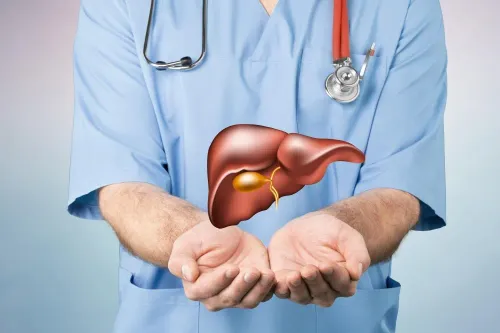

A transplant evaluation is not a single test or a guarantee of surgery. It is a structured review of disease urgency, surgical fitness, long-term treatment readiness and the available donor or organ pathway, so you can understand what happens next and prepare useful information for the team.
Key takeaways
- Referral can follow decompensation, MELD around 15, liver cancer or acute liver failure.
- Expect blood tests, imaging, heart and lung checks, infection screening and psychosocial assessment.
- Team review can lead to listing, deferral, decline or a request for more information.
- Bring medication records, recent reports, caregiver details and questions about recovery and support.
What is the transplant evaluation trying to determine?
Referral usually begins before liver failure becomes immediately life-threatening. A first major decompensating event—ascites, variceal bleeding or hepatic encephalopathy—in decompensated cirrhosis, a MELD referral threshold around 15, hepatocellular carcinoma or selected cases of acute liver failure can trigger liver transplant referral.
Early review allows time to treat complications, assess surgical risk and consider a living donor before further deterioration.
The transplant evaluation asks four separate questions:
- Is transplantation needed now, or should treatment and monitoring continue?
- Can the patient safely undergo major surgery, considering heart, lung, kidney, infection and cancer risks?
- Can the patient take lifelong immunosuppressants, attend follow-up and manage monitoring after transplantation?
- Does a suitable deceased-donor or living-donor pathway exist?
Referral is not acceptance onto a waiting list. The centre must decide whether the expected benefit outweighs the operation and lifelong treatment risks. Living-donor transplantation can reduce waiting time, but the donor faces major surgery and receives an independent medical and psychological assessment; donor safety determines whether donation proceeds.
A lower laboratory score does not always remove the need for evaluation. Hepatocellular carcinoma, selected metabolic diseases and other diagnoses can create risks that MELD does not fully capture, although exception consideration is not automatic. The score estimates urgency; it does not decide eligibility by itself.
What happens from the first appointment through team review?
1. Referral starts with a hepatologist or transplant centre. At the first transplant appointment, the clinician reviews your liver history, recent deterioration, other illnesses and treatment goals.
- Current medicines and doses
- Previous scan, biopsy and discharge reports
- Vaccination records, dialysis details and blood-group information
- A clear alcohol and tobacco history
Bring a family member or trusted support person to record instructions.
2. Blood tests measure liver function, kidney function, sodium, blood counts, clotting and INR. Blood typing, antibody testing, viral infection screening and other infection tests guide treatment and planning.
3. Ultrasound with Doppler checks liver structure and blood flow. The team adds contrast CT or MRI when it needs a clearer view of blood vessels, anatomy or suspected cancer; cancer screening includes alpha-fetoprotein when hepatocellular carcinoma is a concern.
4. The assessment then checks surgical fitness with echocardiography, stress testing, chest imaging and other heart or lung tests. Endoscopy is arranged for suspected varices or another clear indication.
5. Medication review identifies harmful or interacting drugs. Nutrition and frailty assessment examines weight loss, muscle strength and the support needed to recover.
6. A psychosocial review covers adherence, substance use, mental health, housing, caregivers and transport. During transplant team review, hepatology, transplant surgery and anaesthesia discuss the findings and next step.
Living donor assessment is separate from recipient evaluation. A living donor must complete independent medical and psychological review; donor safety, not the recipient’s urgency, decides whether donation proceeds.
Which tests and scores shape the decision?
Each liver transplant test answers a different safety or priority question. Liver-function tests measure bilirubin and albumin; a complete blood count identifies anaemia, infection signals and low platelets. Kidney-function tests, including creatinine and sodium, reveal organ stress, while PT/INR measures clotting.
- Blood typing and antibody testing assess compatibility and help determine allocation.
- Viral screening finds infections requiring treatment or transplant planning.
- Alpha-fetoprotein supports assessment when hepatocellular carcinoma is suspected.
- Ultrasound with Doppler checks liver and portal-vein blood flow; contrast CT or MRI maps anatomy, tumours and blood vessels.
- Echocardiography, stress testing and chest imaging identify cardiac and pulmonary risks that could make surgery unsafe.
The main scores estimate severity, but none decides eligibility alone.
| Score or rule | What it measures | What it affects |
|---|---|---|
| MELD 3.0 | Bilirubin, INR, creatinine, sodium, albumin, age and sex-related factors | Deceased-donor urgency; it changes when laboratory results change |
| MELD-Na | MELD severity adjusted for sodium | Shows liver and kidney-related risk, but is not the complete eligibility decision |
| Child-Pugh class | Bilirubin, albumin, INR, ascites and encephalopathy | Describes chronic liver-function severity |
| Liver-cancer criteria | Tumour number, size, spread and vascular invasion, often using Milan criteria | Determines whether hepatocellular carcinoma fits an accepted transplant pathway |
Qualifying cancer or metabolic disease can receive an approved exception pathway, but exceptions are not automatic. Scores must be weighed with frailty, heart and lung health, infection, cancer spread, treatment adherence and available donor options.
What can happen after evaluation: listing, deferral or decline?
Referral starts the workup; it does not place you on the liver transplant waiting list. The centre can reach four distinct outcomes:
| Outcome | Meaning |
|---|---|
| Referral | Evaluation has been requested, but transplant eligibility is not yet decided. |
| Acceptance | The centre has approved you for its waiting list. |
| Temporarily inactive transplant status | You remain under transplant care but cannot receive an organ until a correctable problem is resolved. |
| Decline | The centre does not consider transplantation appropriate under its criteria at that time. |
Common transplant rejection reasons include:
- Uncontrolled infection
- Severe heart or lung disease that makes surgery unsafe
- Untreated cancer outside accepted transplant criteria
- Active alcohol or drug use
- Inability to take immunosuppressants reliably or attend follow-up
- Inadequate family, social or care support
A deferral does not always end the pathway. Cancer staging, frailty, sarcopenia, poor nutrition, kidney function and cardiovascular risk can change the timing or require treatment before reconsideration.
Alcohol decisions do not follow a universal six-month rule. Centres assess alcohol-use disorder, relapse risk, treatment engagement, support and likely adherence to post-transplant care; individual programs can set stricter requirements.
Centre policies differ, so ask which problem caused an inactive status or decline and what evidence would support review. Waiting-list priority is not based on time alone: MELD, blood group, geography, donor-recipient matching and approved exception status affect organ offers.
How should you prepare for life after the decision?
Your next steps depend on the evaluation result. Treat liver transplant preparation as an active plan: remove correctable barriers and build routines you can sustain after surgery.
1. If infection, poor nutrition, frailty or severe heart disease delays approval, complete antibiotics or other treatment, follow the nutrition plan, finish cardiac treatment and repeat the tests the centre requests.
2. If alcohol or drug use is a concern, enter documented treatment, address relapse risk and show reliable follow-through. Strengthen your support network with a named caregiver, transport plan and help with medicines.
3. If listing is approved, attend every scheduled score update. Repeat blood tests when requested because MELD values can change, and missed results can affect review and organ-offer decisions. If the centre declines listing, ask which findings are modifiable and whether reassessment or another treatment pathway is appropriate.
4. Plan vaccination before transplant. Complete indicated non-live vaccines in advance after discussing timing with the team. Avoid live vaccines after transplantation unless the transplant team specifically directs otherwise.
5. Expect lifelong immunosuppressant monitoring, post-transplant follow-up, kidney and cardiovascular risk management, infection surveillance and cancer screening. The original disease can recur in the graft; metabolic dysfunction-associated steatotic liver disease, for example, can return.
In Mumbai, Dr Chetan Kalal Hepatologist Transplant can help interpret changing scores and coordinate investigations, while the transplant centre’s listing rules and review schedule remain central to care.
Related services
Liver Transplant Consultation is a specialized medical service offering expert evaluation, guidance, and personalized care planning for patients with advanced liver disease considering liver transplantation. # Liver Transplant Consultation — Dr. Chetan Kalal *First DM Hepatologist of Maharashtra | Liver Specialist in Mumbai* --- ## Title Tag (SEO... View service → |
Diagnostic Services Comprehensive evaluations for liver diseases Clinical Evaluation: Detailed medical history, including alcohol consumption, family history, and risk factors. View service → |
Frequently asked questions
What is a liver transplant evaluation trying to determine?
The evaluation determines whether transplantation is medically necessary, whether you can safely undergo surgery, and whether you can manage recovery and lifelong follow-up.
What happens during a liver transplant evaluation?
You meet the transplant team, provide your medical history, complete blood and imaging tests, undergo organ-function and infection assessments, and receive a team decision after review.
Which tests and scores influence liver transplant decisions?
Blood tests, imaging, heart and lung assessments, cancer evaluations and the MELD score help estimate urgency, surgical risk and transplant suitability.
What can happen after the transplant team reviews my case?
The team can list you for transplant, defer a decision while treating a problem or gathering information, or decline transplantation when risks outweigh expected benefit.
Related services
Liver Transplant Consultation & Pre/Post-Operative Management Liver Transplant in Mumbai – Best Specialist Care at Gleneagles, Hinduja , Saifee & Breach Candy Looking for trusted and expert liver transplant care in Mumbai? Dr. View service → |
"Follow-up Care" or "Chronic Disease Management Regular monitoring for patients with chronic liver conditions. Service Type for Regular Monitoring of Chronic Liver Conditions 1. View service → |