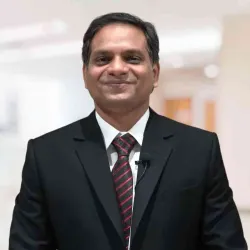
Life After Liver Transplant — What Every Patient Should Know
By Dr. Chetan Kalal — First DM Hepatologist of Maharashtra
Liver Transplant & Liver ICU Expert | Mumbai
Introduction
"Transplant surgery gives you a new liver — but how you care for it gives you a new life."
— Dr. Chetan Kalal
Liver transplantation is one of modern medicine’s greatest miracles. But recovery doesn’t end after surgery. Life after liver transplant is a journey — of healing, discipline, and lifelong care.
This guide is for every liver transplant warrior and their family — to understand what lies ahead and how to stay healthy forever.
1. Regular Follow-up is Your Lifeline
After transplant, your doctor becomes your life coach.
Why are Follow-ups Important?
To prevent rejection
To detect infections early
To adjust medicines
To check kidney, heart & bone health
Follow-up Schedule:
| Time After Surgery | Visit Frequency |
|---|---|
| First 6 months | Every 2-4 weeks |
| 6 months - 2 years | Every 1-3 months |
| Beyond 2 years | Every 6-12 months |
Tip: Never skip your follow-up — even if you feel healthy.
2. Medicines Are Your Daily Armour
Immunosuppressive drugs prevent rejection but need lifelong monitoring.
Common Medicines:
Tacrolimus / Cyclosporine
Mycophenolate
Steroids (Tapered over time)
Antivirals (if needed)
Supplements (Calcium, Vitamin D, Multivitamins)
Important:
Take medicines exactly as prescribed
Don't self-adjust doses
Report any side effects
3. Watch For Danger Signs
Seek medical attention if you notice:
Fever
Yellowing of eyes (Jaundice)
Abdominal Pain
Reduced Urine Output
Swelling in Feet
Mental Confusion
Unexplained Weight Loss
"Early reporting can save your new liver."
— Dr. Chetan Kalal
4. Lifestyle Rules for a Healthy Life
Post-transplant lifestyle is not restrictive — it is smart living!
Diet Tips:
High-Protein Balanced Diet
Low Salt to avoid swelling
Avoid raw seafood/unhygienic food
Stay Hydrated
Exercise Tips:
Begin gentle walking after 2-3 weeks
Strength training after 3 months
Avoid contact sports
Substance Avoidance:
Strict NO to Alcohol
No Smoking or Tobacco
Limit caffeine
5. Protect Yourself From Infections
Because of immunosuppressive drugs — even a small infection can become serious.
Prevention:
Hand Hygiene
Mask in crowded areas
Safe Food & Water
Timely Vaccinations (as per Hepatologist advice)
6. Long-Term Health Monitoring
Post-transplant care is not only about the liver — it’s about your entire body.
Regular Screening for:
Diabetes
High Blood Pressure
Kidney Health
Heart Disease
Bone Density
Cancer (Skin checks, Ultrasound, AFP)
7. Emotional & Mental Health
It’s natural to feel overwhelmed. Many patients experience:
Anxiety
Fear of rejection
Stress about medicines
"Mental strength is as important as physical recovery."
Dr. Chetan Kalal's team supports patients with:
Counselling
Support Groups
Lifestyle Coaching
8. What Can You Look Forward To?
Most liver transplant patients:
Return to work within 3-6 months
Lead an active social life
Travel (with precautions)
Participate in sports/exercise
Celebrate life with family
"A transplant patient is not fragile — they are resilient."
— Dr. Chetan Kalal
Why Choose Dr. Chetan Kalal for Post-Transplant Care?
First DM Hepatologist of Maharashtra
Specialist in Long-Term Liver Health
Patient-Centric Care Model
Holistic Transplant Monitoring Program
Keywords :
Life after Liver Transplant in India
Post Liver Transplant Care Guide
Dr. Chetan Kalal Liver Transplant Expert
Diet & Lifestyle after Liver Transplant
Liver Transplant Survival Tips