🧬 Liver Biopsy: What It Is, Why It’s Done & What to Expect
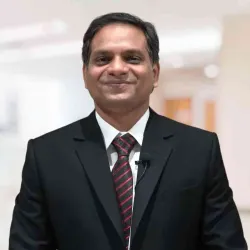
By Dr. Chetan Kalal – Liver Disease Specialist, Mumbai, India
What Is a Liver Biopsy?
A liver biopsy is a medical procedure where a small sample of liver tissue is collected and examined under a microscope. It helps doctors diagnose liver inflammation, fibrosis (scarring), fatty liver, autoimmune disease, infections, and even cancer.
Despite advanced imaging and blood tests, biopsy remains the gold standard when clarity is needed.
Why Might You Need a Liver Biopsy?
You may need a biopsy if you have:
Elevated liver enzymes (SGOT/SGPT)
Fatty liver disease (NAFLD / MAFLD / ALD)
Cirrhosis or suspected fibrosis
Autoimmune hepatitis
Liver masses or nodules
Post-liver transplant monitoring
Unexplained jaundice or liver failure
Drug-induced liver injury (e.g., steroids, TB meds)
Types of Liver Biopsy
There are three main types, each chosen based on your condition:
1. Percutaneous (Needle) Biopsy
Done through the skin using ultrasound guidance
Most common and minimally invasive
2. Transjugular Liver Biopsy (TJLB)
Done via a neck vein—ideal if you have bleeding risk or ascites
Safer in critically ill or transplant patients
3. Laparoscopic or Surgical Biopsy
Done during surgery or when combined with another procedure
How to Prepare
You’ll need to fast 6–8 hours before the test
Blood tests (including clotting profile) will be reviewed
Medications like blood thinners may need to be stopped temporarily
You’ll be advised to arrive early and have a companion with you
What Happens During the Procedure?
🕒 Duration: ~15–30 minutes
📍 Setting: Usually day-care or hospital procedure room
You’ll lie on your back or side
Local anesthesia is given (general anesthesia for children or surgical biopsy)
A needle is guided (with ultrasound) into your liver to take a tiny sample
You'll be observed for a few hours post-procedure
Is It Painful or Risky?
❗ Pain: Mild, momentary pain at the site or shoulder discomfort (from diaphragm irritation)
⚠️ Risks: Very rare (~1%), may include bleeding, infection, or bile leak
🏥 Safety: High when done by an experienced team in a hospital setup
Aftercare & Recovery
Rest for a few hours, avoid strenuous activity for 24–48 hours
Monitor for any pain, fever, or bleeding
Most people can return to routine life within 1–2 days
Results usually take 3–5 working days
FAQs
Q: Can imaging like FibroScan or MRI replace liver biopsy?
🅰️ These tools are helpful but not definitive in all cases. Biopsy gives cellular-level insight, crucial in complex or uncertain cases.
Q: Can I do a biopsy if I have low platelets or ascites?
🅰️ Yes! A Transjugular Liver Biopsy (TJLB) is designed specifically for such high-risk patients.
Q: Is it safe in children or elderly?
🅰️ Absolutely. With proper precautions, liver biopsy is safe in all age groups.
Why Choose Dr. Chetan Kalal for Liver Biopsy in Mumbai?
✅ Expert in liver diagnostics, fibrosis staging & transplant monitoring
✅ Offers both Percutaneous and Transjugular Biopsies at top hospitals
✅ Evidence-based, compassionate hepatology care
✅ State-of-the-art ultrasound and radiological support
✅ Personalized pre- and post-biopsy guidance
📍 Location: Gleneagles Hospital, Mumbai
📆 Timing: Prior appointment only
Keywords :
Liver biopsy Mumbai
Best liver biopsy doctor in India
Percutaneous liver biopsy procedure
Transjugular liver biopsy (TJLB) in Mumbai
Liver biopsy for fatty liver disease
Autoimmune liver disease biopsy
Liver fibrosis staging India
Dr. Chetan Kalal liver diagnosis
Safe liver biopsy for cirrhosis
Post-liver transplant biopsy India