Introduction: Worried About Your Fatty Liver?
If you’ve just been told you have a “fatty liver” or “grade 1 fatty liver” on an ultrasound, it’s normal to feel anxious and search for how to reverse fatty liver disease naturally without medication.
Many patients ask if it’s possible to heal the liver with diet and lifestyle alone and avoid lifelong drugs.
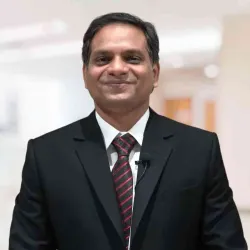
Dr. Chetan Kalal is a senior consultant Hepatologist, specializing in liver diseases, fatty liver, and liver transplantation.
In this article, he explains, in simple language, how fatty liver develops, when it becomes dangerous, and the practical steps you can take to reverse it safely.
You’ll learn:
How to reverse fatty liver disease naturally without medication
The best diet for fatty liver grade 1
Symptoms of fatty liver worsening
When to see a hepatologist for fatty liver
Before moving on: in your own words, what worries you most about fatty liver—reversing it, diet, or the risk of it worsening?
What Is Fatty Liver Disease?
Fatty liver disease means excess fat has accumulated inside your liver cells, usually more than 5% of liver weight.
It often develops due to obesity, insulin resistance, diabetes, high cholesterol, sedentary lifestyle, or excess alcohol use.
There are two main types:
Non-alcoholic fatty liver disease (NAFLD): fat buildup not primarily caused by alcohol.
Alcohol-related fatty liver: directly linked to regular or heavy alcohol intake.
Early stages are often silent, which is why many people discover it incidentally on ultrasound.
Can You Reverse Fatty Liver Naturally Without Medication?
Many patients specifically ask: “How to reverse fatty liver disease naturally without medication?”
The good news: in most early cases (especially grade 1 fatty liver), fat in the liver is reversible with disciplined lifestyle changes.
However, the success of natural reversal depends on how advanced the disease is and whether there is inflammation (steatohepatitis) or fibrosis (scarring).
Key natural pillars of reversal:
Weight reduction (even 7–10% loss can significantly reduce liver fat).
Regular physical activity.
A liver-friendly diet.
Control of diabetes, cholesterol, and blood pressure.
Medications may still be needed for associated conditions (like diabetes or cholesterol), but the core of fatty liver reversal is lifestyle.
Best Diet for Fatty Liver Grade 1
A common question is: “What is the best diet for fatty liver grade 1?”
For early fatty liver, the goal is to reduce excess calories, improve insulin sensitivity, and cut down on liver-toxic foods.
Core principles
Prefer whole, unprocessed foods.
Focus on plant-based meals with plenty of vegetables.
Choose lean protein sources.
Limit added sugars and refined carbohydrates.
Foods to emphasize
Vegetables: leafy greens, cruciferous vegetables (broccoli, cauliflower), carrots, tomatoes.
Fruits: in moderation, preferably low glycaemic options like berries, apples, citrus.
Whole grains: oats, brown rice, millets, whole wheat.
Protein: fish, skinless chicken, eggs (in moderation), pulses, dals, paneer (low fat), tofu.
Healthy fats: nuts, seeds, small amounts of olive oil or groundnut oil.
Foods to avoid or restrict
Sugary drinks: soft drinks, packaged juices, energy drinks.
Refined carbs: white bread, bakery products, maida-based snacks.
Fast food and fried foods: chips, samosas, burgers, pizza, fried chicken.
Processed meats: sausages, bacon, salami.
Excess alcohol: even “social drinking” can worsen fatty liver in some people.
From your current typical day’s diet, which one change (e.g., cutting sugary drinks or fried snacks) do you think is most realistic to start with?
Lifestyle Changes to Reverse Fatty Liver Naturally
Beyond diet, daily routine plays a major role in fatty liver disease management.
1. Weight management
Aim for slow, steady weight loss of about 0.5–1 kg per week.
Target 7–10% weight loss over several months if you are overweight or obese.
Crash diets and extreme fasting can stress the liver and are not recommended without medical supervision.
2. Physical activity
Regular exercise improves insulin sensitivity and helps reduce liver fat.
Ideally:
At least 150 minutes per week of moderate-intensity activity (brisk walking, cycling, swimming).
Include resistance training (light weights, bands, or bodyweight exercises) 2–3 times per week.
Start where you are: even 20–30 minutes of brisk walking most days is a powerful first step.
3. Sleep and stress
Poor sleep and chronic stress can worsen insulin resistance and weight gain.
Helpful measures:
Maintain regular sleep timings (7–8 hours per night).
Practice stress management: yoga, meditation, deep breathing, or counseling if needed.
Symptoms of Fatty Liver Worsening
Many people with early fatty liver have no symptoms.
However, as fatty liver worsens to steatohepatitis, fibrosis, or cirrhosis, certain warning signs may appear.
Possible symptoms and signs
Persistent fatigue or low energy.
Dull pain or heaviness in the right upper abdomen.
Unexplained weight loss (in advanced stages).
Swelling of legs (edema) or abdomen (ascites).
Yellowing of eyes or skin (jaundice).
Easy bruising or bleeding.
Confusion or forgetfulness (in very advanced liver failure).
If you notice any of these, it may indicate progression beyond simple fatty liver, and you should seek specialist care promptly.
How would you describe any current symptoms you or your patient are experiencing—mostly tiredness, abdominal discomfort, or none at all?
When to See a Hepatologist for Fatty Liver
Patients often wonder: “When to see a hepatologist for fatty liver, and when can my general physician manage it?”
You should consider a consultation with a hepatologist like Dr. Chetan Kalal if:
Your ultrasound repeatedly shows fatty liver.
Liver enzymes (ALT, AST, GGT) are persistently raised.
You have diabetes, obesity, high cholesterol, or metabolic syndrome.
There is suspicion of steatohepatitis or fibrosis on imaging or FibroScan.
You have symptoms suggestive of liver disease (jaundice, swelling, fatigue).
There is a history of significant alcohol use.
A hepatologist can assess the severity, rule out other liver diseases, and guide a personalized plan that combines diet, activity, and, where necessary, medications.
Is Medication Always Needed for Fatty Liver?
Many patients prefer to reverse fatty liver disease naturally without medication and worry that seeing a specialist means “lifelong tablets.”
Important points:
Simple fatty liver (without inflammation or fibrosis) is often managed mainly with lifestyle changes.
Medications may be required to control diabetes, cholesterol, blood pressure, and associated conditions.
In steatohepatitis or advanced disease, certain drugs or clinical trial medicines may be recommended based on guidelines.
The goal is not just “no medicines” but “best long-term liver health,” which sometimes does require carefully chosen treatment.
Dr. Chetan Kalal’s Expert Take
Common patient question: “If I strictly follow diet and exercise, can I fully reverse my fatty liver without medication?”
From Dr. Kalal’s clinical experience:
Many patients with grade 1 fatty liver and no significant fibrosis can achieve near-complete reversal with consistent lifestyle changes over 6–12 months.
The key is sustainability: diets and exercise routines must be practical for your work, family, and cultural food habits.
Regular follow-up with liver function tests and ultrasound (or FibroScan) helps track progress and adjust the plan.
Ignoring fatty liver because “it’s only grade 1” can allow slow progression, especially in patients with diabetes or obesity.
Dr. Kalal emphasizes that early, proactive management gives the best chance for natural reversal and prevents complications such as cirrhosis or liver cancer.
If you were advising a patient yourself, how would you explain the importance of regular follow-up for fatty liver in simple language?
Practical Daily Checklist for Fatty Liver Disease Management
To help you act on this information, here is a simple daily checklist:
Eat mostly home-cooked, minimally processed foods.
Avoid sugary drinks and limit sweets to occasional small portions.
Include vegetables in at least two main meals.
Walk briskly or exercise for at least 30 minutes most days.
Keep alcohol intake minimal or stop entirely if advised.
Monitor weight weekly and aim for gradual loss if overweight.
Take prescribed medications regularly for diabetes, cholesterol, or blood pressure.
Schedule periodic liver tests and follow your hepatologist’s review plan.
Conclusion and Call to Action
Fatty liver disease is common, but it is not something to ignore.
With the right combination of diet, lifestyle changes, and timely specialist guidance, many patients can reverse fatty liver disease naturally without medication in the early stages.
If you or a loved one has been diagnosed with fatty liver, or you are experiencing symptoms like persistent fatigue, abdominal discomfort, or abnormal liver tests, it is wise not to wait.
You can book a consultation with Dr. Chetan Raameshh Kalal, consultant Hepatologist and Gastroenterologist in Mumbai, for a detailed evaluation and a personalized liver health plan tailored to your lifestyle and medical profile.
Taking action early can protect your liver for decades to come and give you peace of mind.