Diabetes and liver disease are closely connected, yet many people are unaware of how one condition can influence the other. As diabetes becomes increasingly common across India, healthcare professionals are also seeing a rise in liver-related disorders, particularly fatty liver disease. Understanding this relationship is important because early intervention can help reduce the risk of long-term complications and improve overall health.
Many individuals discover they have a liver problem only after routine blood tests or imaging performed during diabetes management. Raising awareness about the diabetes and liver disease connection allows people to take preventive steps before significant liver damage develops. For residents of Mumbai and other urban areas, where sedentary lifestyles and metabolic disorders are becoming more common, regular health screening plays an essential role in maintaining liver health.
How Diabetes Affects the Liver
The liver helps regulate blood sugar by storing and releasing glucose as the body needs it. When diabetes is poorly controlled, this balance is disrupted. Insulin resistance, a hallmark of type 2 diabetes, causes excess fat to accumulate in liver cells, increasing the risk of metabolic dysfunction-associated steatotic liver disease (MASLD), previously known as non-alcoholic fatty liver disease.
Over time, untreated fatty liver may progress to:
- Liver inflammation
- Liver fibrosis (scarring)
- Cirrhosis
- Liver failure in advanced cases
- Increased risk of liver cancer in selected patients
Not everyone with diabetes develops serious liver disease, but diabetes significantly increases the likelihood of liver-related complications when other risk factors are present.
Why the Relationship Goes Both Ways
The connection between diabetes and liver disease is not one-sided. While diabetes can contribute to liver damage, chronic liver disease can also affect how the body processes glucose.
A damaged liver may:
- Reduce insulin sensitivity
- Alter glucose metabolism
- Make blood sugar levels more difficult to control
- Increase the complexity of diabetes management
This is why people living with either condition often benefit from regular evaluation for the other.
Common Risk Factors
Several lifestyle and medical factors increase the chances of developing both diabetes and liver disease.
These include:
- Being overweight or obese
- Excess abdominal fat
- High cholesterol or triglycerides
- High blood pressure
- Physical inactivity
- Diets rich in refined carbohydrates and sugary beverages
- Family history of diabetes
Addressing these shared risk factors can improve overall metabolic health and reduce the burden on the liver.
Early Signs May Be Easy to Miss
Both diabetes-related liver disease and early liver fibrosis often develop without noticeable symptoms.
When symptoms do appear, they may include:
- Persistent fatigue
- Reduced energy levels
- Mild discomfort in the upper right abdomen
- Unexplained weight changes
- Poor appetite
- Difficulty concentrating
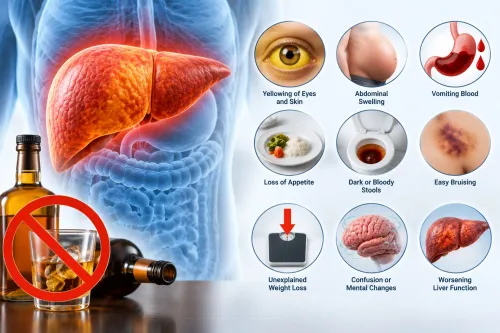
As liver disease progresses, more serious symptoms such as jaundice, abdominal swelling, or confusion may occur. These require prompt medical evaluation.
Lifestyle Changes That Support Both Conditions
One of the most encouraging aspects of this connection is that many lifestyle improvements benefit both diabetes and liver health simultaneously.
Choose Balanced Meals
A nutritious diet supports blood sugar control while reducing fat accumulation in the liver.
Consider including:
- Whole grains
- Fresh vegetables
- Fruits in appropriate portions
- Lean proteins
- Legumes
- Healthy fats from nuts and seeds
Limiting sugary drinks, highly processed foods, and excessive saturated fats can also make a meaningful difference.
Stay Physically Active
Regular exercise helps improve insulin sensitivity and supports healthy liver function.
Most adults should aim for:
- At least 150 minutes of moderate-intensity exercise per week
- Strength-training activities twice weekly
- Reduced sitting time during the day
Even brisk walking after meals can positively influence blood sugar levels.
Maintain a Healthy Weight
For individuals with overweight or obesity, gradual weight loss under medical supervision may reduce liver fat and improve diabetes management. Sustainable lifestyle changes are generally more effective than restrictive diets.
The Role of Regular Screening
Routine health assessments help detect problems before complications arise.
People with diabetes may benefit from:
- Liver function blood tests
- Abdominal ultrasound when indicated
- Assessment for liver fibrosis if risk factors are present
- Blood pressure monitoring
- Cholesterol evaluation
- HbA1c testing for long-term blood sugar control
Similarly, individuals diagnosed with fatty liver disease should also be evaluated for diabetes and other metabolic conditions.
When Should You See a Hepatologist?
Persistent abnormal liver function tests, imaging showing fatty liver, unexplained elevation of liver enzymes, or symptoms suggestive of chronic liver disease should not be ignored. Early consultation with a liver specialist allows accurate diagnosis, identification of the underlying cause, and development of an individualised treatment plan.
For patients in Mumbai requiring specialised evaluation, Dr. Chetan Kalal Hepatologist and Liver Transplant Specialist provides comprehensive assessment and management of liver diseases associated with diabetes, obesity, viral hepatitis, and other conditions. Educational information available through drchetankalalliverspecialist.com also helps patients understand preventive liver care and evidence-based treatment options.
Awareness Leads to Better Long-Term Health
The link between diabetes and liver disease highlights the importance of looking beyond a single diagnosis. Good blood sugar control, balanced nutrition, regular exercise, healthy weight management, and periodic liver evaluations all work together to support better health outcomes.
By recognising this connection early and seeking appropriate medical guidance when needed, individuals can take meaningful steps to protect both their liver and their overall metabolic health. Prevention, timely diagnosis, and consistent lifestyle changes remain the foundation of long-term wellness.
Keywords