Patients often search for liver disease reversal strategies and management after receiving a diagnosis of fatty liver, fibrosis, or even early cirrhosis. The encouraging part is that some forms of liver injury can improve when the underlying cause is identified and treated. However, reversal does not mean that every stage of liver disease can be completely undone.
The realistic goal is to stop ongoing injury, improve liver health where possible, prevent complications, and monitor for progression.
Start by identifying the cause
Liver injury continues when the underlying trigger remains active.
Examples include:
- Excess alcohol exposure
- Untreated viral hepatitis
- Poorly controlled metabolic disease
- Obesity and insulin resistance
- Autoimmune liver inflammation
- Certain medications or supplements
- Genetic or metabolic disorders
Removing or treating the cause is therefore more important than relying on a so-called liver detox.
Can fatty liver improve?
Metabolic dysfunction-associated steatotic liver disease can improve when metabolic risk factors are addressed.
Useful strategies may include:
- Gradual, sustainable weight management
- Regular physical activity
- Better diabetes control
- Management of cholesterol and blood pressure
- Limiting or avoiding alcohol depending on the clinical situation
- Improving overall dietary quality
- Following disease-specific medical treatment where indicated
Treatment should be individualized. AASLD guidance recognizes lifestyle and therapeutic interventions as important elements of managing metabolic liver disease.
What about fibrosis?
Fibrosis is different from fat accumulation.
When liver injury is controlled, fibrosis may stabilize and in some circumstances may regress to a degree. But advanced scarring cannot be assumed to disappear simply because liver enzymes return to normal.
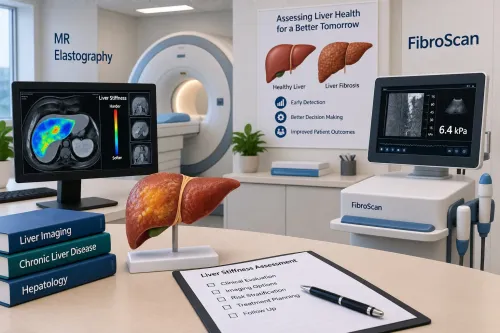
This is why monitoring fibrosis can be more informative than looking at ALT or AST alone.
A patient may have improved liver enzymes while still having significant fibrosis.
Can cirrhosis be reversed?
Cirrhosis represents advanced structural scarring and carries risks that require long-term monitoring. In selected situations, controlling the underlying cause can improve liver function and reduce disease activity, but patients with established cirrhosis generally continue to require specialist surveillance.
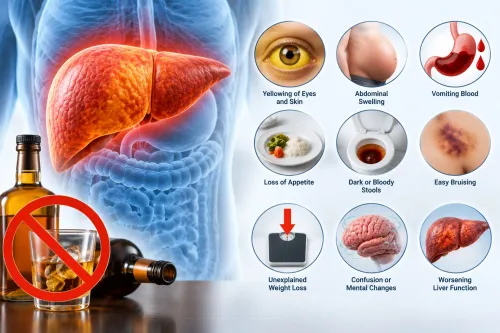
Management may include monitoring for:
- Ascites
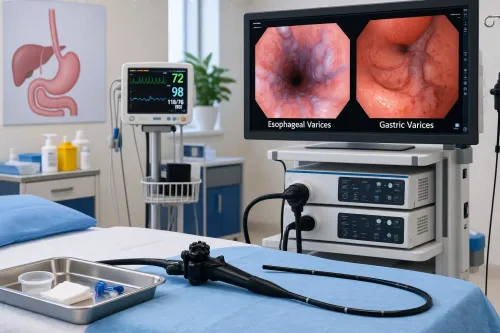
- Varices
- Hepatic encephalopathy
- Liver cancer
- Kidney complications
- Malnutrition
- Infections
The objective is to prevent decompensation and identify complications early.
Avoid the common detox trap
There is no need to build a liver recovery plan around expensive detox drinks, unverified supplements, or extreme fasting.
Some supplements can actually cause liver injury or interfere with medicines.
A sensible liver strategy is usually much less dramatic:
- Identify the cause.
- Stage the disease.
- Treat the underlying condition.
- Address metabolic and lifestyle risks.
- Monitor response.
- Screen for complications when appropriate.
When should specialist care become a priority?
Seek hepatology assessment when liver abnormalities persist, fibrosis is suspected, imaging shows significant disease, hepatitis is diagnosed, or symptoms suggest advanced liver dysfunction.
Patients with established cirrhosis should not rely on symptoms alone to determine whether the disease is progressing.
For patients in Mumbai, Dr. Chetan Kalal Hepatologist and Liver Transplant Specialist can help evaluate the underlying liver condition, assess disease severity, and determine whether management should focus on lifestyle modification, medical treatment, complication prevention, or transplant evaluation.
Think in terms of control, not quick cures
The most useful question is not How quickly can I reverse my liver disease?
A better question is:
What is causing the liver injury, how much damage has already occurred, and what can we do now to prevent further progression?
That approach creates realistic expectations while leaving room for meaningful improvement where the disease is responsive to treatment.
Keywords