A diagnosis of fatty liver disease often raises an important question: What should I eat now? While there is no single food that can reverse fatty liver on its own, adopting a liver-friendly diet is one of the most effective ways to support liver health and reduce the progression of the condition. Combined with regular physical activity and healthy lifestyle habits, the right dietary choices can improve liver function and overall metabolic health.
Fatty liver disease is becoming increasingly common in India, particularly in urban centres like Mumbai, where sedentary lifestyles, irregular meal patterns, and processed foods are part of everyday life. Fortunately, dietary changes are practical, sustainable, and can make a meaningful difference when started early.
Understanding Fatty Liver Disease
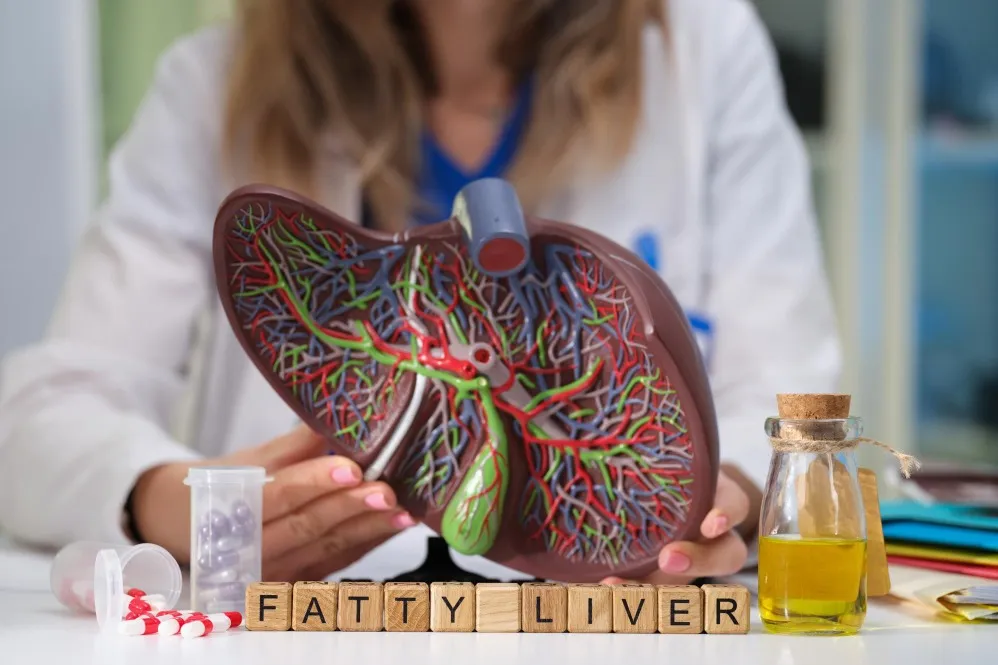
Fatty liver disease occurs when excess fat accumulates within liver cells. In many cases, it is linked to obesity, type 2 diabetes, high cholesterol, insulin resistance, and metabolic syndrome. During its early stages, the condition may not cause noticeable symptoms, making routine health check-ups important for early detection.
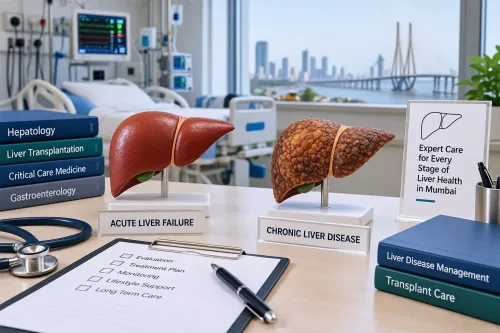
If left unmanaged, fatty liver can progress to liver inflammation, fibrosis (scarring), cirrhosis, and, in some cases, liver failure. However, many people can improve liver health by addressing the underlying lifestyle factors.
What Makes a Diet Liver-Friendly?
A liver-friendly diet focuses on balanced nutrition rather than restrictive eating. The goal is to reduce excess fat in the liver while providing the nutrients the body needs to function well.
A healthy eating pattern should include:
- Plenty of fresh vegetables
- Whole fruits in appropriate portions
- Whole grains such as oats, brown rice, and millets
- Lean protein sources like fish, skinless chicken, eggs, and legumes
- Healthy fats from nuts, seeds, and olive oil
- Adequate hydration throughout the day
These foods provide fibre, vitamins, antioxidants, and healthy fats that support overall liver function.
Foods That May Benefit Fatty Liver
While no food is considered a cure, certain dietary choices are associated with better liver health.
High-Fibre Foods
Foods rich in fibre help regulate blood sugar levels and support healthy digestion.
Good options include:
- Oats
- Whole wheat
- Brown rice
- Beans
- Lentils
- Chickpeas
- Fresh vegetables
Fruits and Vegetables
Colourful fruits and vegetables provide antioxidants that help protect cells from oxidative stress.
Examples include:
- Spinach
- Broccoli
- Carrots
- Tomatoes
- Oranges
- Apples
- Berries
- Guava
Eating a variety of seasonal produce is generally recommended.
Lean Protein
Protein supports tissue repair and helps maintain muscle mass during healthy weight loss.
Suitable choices include:
- Fish
- Egg whites
- Skinless poultry
- Tofu
- Low-fat dairy
- Pulses
Foods to Limit
Some foods may contribute to fat accumulation in the liver when consumed regularly.
It is advisable to reduce:
- Sugary soft drinks
- Packaged fruit juices with added sugar
- Sweets and desserts
- Refined flour products
- Deep-fried snacks
- Fast food
- Processed meats
- Foods high in trans fats
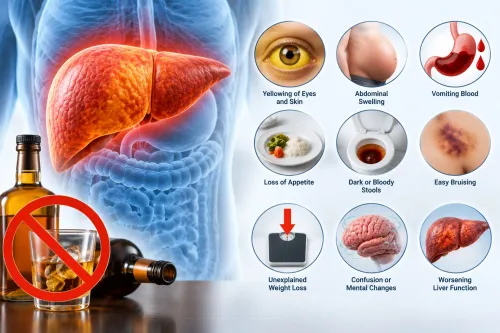
Alcohol should also be avoided or consumed only if advised appropriate by a healthcare professional, particularly in individuals with existing liver disease.
Meal Timing Matters
Healthy eating is not only about food choices but also about eating patterns.
Helpful habits include:
- Eating regular meals instead of skipping breakfast
- Avoiding frequent late-night meals
- Choosing smaller portions if advised
- Planning balanced meals during busy workdays
- Limiting unnecessary snacking on processed foods
Many working professionals in Mumbai benefit from preparing meals in advance to reduce dependence on convenience foods.
Weight Management and Fatty Liver
Gradual weight loss is often recommended for individuals who are overweight or obese. Research has shown that even modest weight reduction may help decrease liver fat and improve liver enzyme levels.
However, rapid weight-loss diets or extreme fasting should be avoided unless supervised by a healthcare professional, as they may not be suitable for everyone.
Pair Nutrition with Physical Activity
Diet alone is only one part of fatty liver management. Regular exercise supports insulin sensitivity, improves metabolism, and complements healthy eating habits.
Aim for:
- At least 150 minutes of moderate-intensity exercise each week
- Muscle-strengthening activities twice weekly
- Regular walking throughout the day
- Reduced sitting time during work hours
Consistency is more beneficial than occasional intense workouts.
Why Individualised Nutrition Is Important
Every person diagnosed with fatty liver has different health needs. Age, body weight, diabetes status, cholesterol levels, medications, and the stage of liver disease all influence dietary recommendations.
A personalised nutrition plan developed alongside medical evaluation is often more effective than following popular diet trends or advice found on social media.
For individuals in Mumbai seeking specialised liver care, Dr. Chetan Kalal Hepatologist and Liver Transplant Specialist provides comprehensive evaluation and evidence-based management for fatty liver disease and other liver disorders. Educational information available through drchetankalalliverspecialist.com helps patients better understand liver health, diagnosis, and long-term disease management.
Small Dietary Changes Can Lead to Long-Term Benefits
Managing fatty liver does not require perfection, it requires consistency. Choosing wholesome foods, limiting processed items, maintaining a healthy weight, and staying physically active all contribute to better liver health over time.
By adopting a balanced, liver-friendly diet and working closely with a qualified healthcare professional, individuals can take positive steps toward reducing liver fat, improving metabolic health, and lowering the risk of future liver-related complications.
Keywords