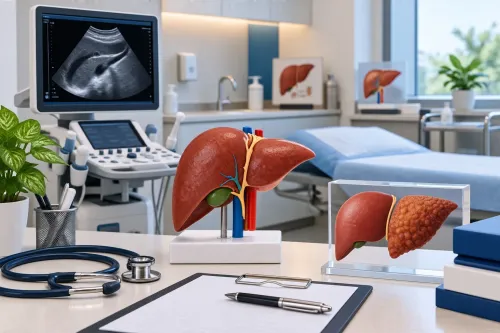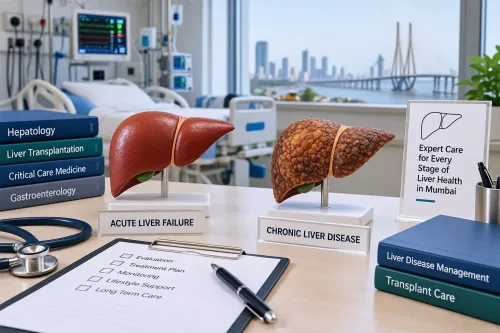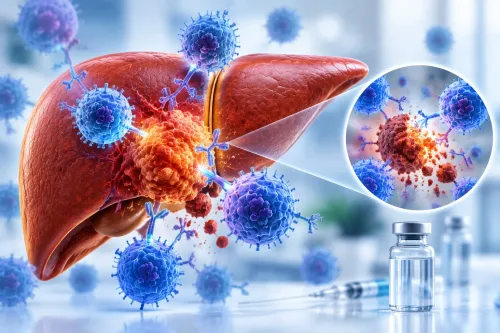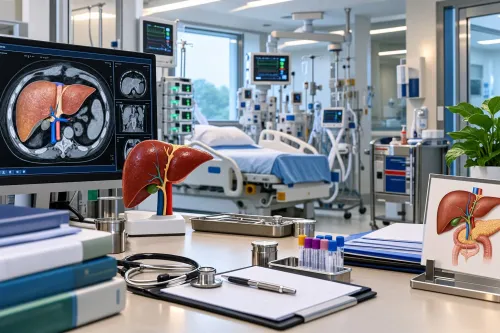
Liver disease is not one condition with one treatment. Fatty liver, hepatitis, cirrhosis, autoimmune disease, alcohol-associated liver disease, liver cancer, and acute liver failure require very different approaches. This is why advanced hepatology treatment for liver disorders increasingly focuses on identifying the cause, staging disease severity, and tailoring care to the individual.
For patients in Mumbai, access to specialist hepatology can be particularly valuable when routine liver tests remain abnormal, imaging shows significant disease, or complications begin to appear.
Treatment starts with finding the cause
Before choosing treatment, the clinician needs to establish why the liver is being injured.
Potential causes include:
- Metabolic dysfunction-associated steatotic liver disease
- Hepatitis B or C
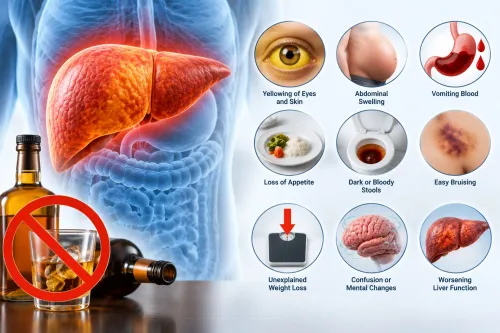
- Alcohol-associated liver disease
- Autoimmune hepatitis
- Cholestatic liver diseases
- Drug- or supplement-induced liver injury
- Genetic and metabolic disorders
A patient with fatty liver and metabolic risk factors requires a different strategy from someone with chronic hepatitis or autoimmune liver disease.
Disease staging changes the treatment plan
Two patients with the same diagnosis may require different levels of care because fibrosis stage and liver function differ.
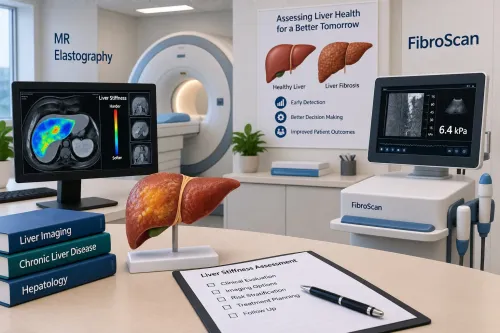
Assessment may involve:
- Blood tests
- Ultrasound
- Elastography
- Cross-sectional imaging
- Fibrosis scores
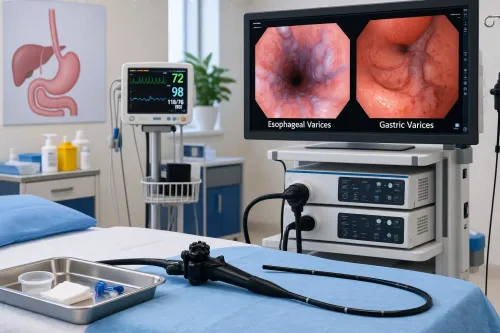
- Endoscopic assessment when indicated
- Liver biopsy in selected cases
AASLD maintains dedicated guidance across conditions including liver transplantation, metabolic liver disease, hepatitis, autoimmune disease, portal hypertension, hepatic encephalopathy, and drug-induced liver injury.
What advanced hepatology care may include
Depending on the diagnosis, treatment can involve:
Metabolic liver disease management
Weight management, physical activity, diabetes control, lipid management, nutrition, and selected medications may form part of treatment.
Recent developments include evidence-based pharmacological options for selected patients with MASH and moderate-to-advanced fibrosis.
Viral hepatitis care
Chronic hepatitis B or C requires disease-specific evaluation and, where appropriate, antiviral treatment and ongoing monitoring.
Cirrhosis management
Cirrhosis requires monitoring for complications such as ascites, variceal bleeding, hepatic encephalopathy, infections, and liver cancer.
Treatment therefore involves more than managing liver enzymes. It involves preventing complications and identifying changes early.
Transplant assessment
When liver function becomes severely impaired or complications become difficult to control, transplantation may become part of the discussion.
Early referral can be important because transplant evaluation requires time for medical assessment, optimization, and donor considerations where applicable.
Why personalized care matters
A treatment plan should account for the patient's:
- Age
- Liver disease cause
- Fibrosis stage
- Kidney function
- Diabetes and metabolic health
- Nutrition
- Alcohol exposure
- Current medications
- Previous treatment response
- Family circumstances
- Ability to attend follow-up
For example, a generic fatty liver diet may be less useful than a plan built around the patient's weight, diabetes status, dietary pattern, activity level, and liver fibrosis risk.
What patients in Mumbai should expect from specialist care
A hepatology consultation should help answer practical questions, not simply generate another list of investigations.
Patients should understand:
- What caused the liver problem?
- How advanced is it?
- Is the disease stable or progressing?
- Which complications need monitoring?
- What can be changed now?
- When should testing be repeated?
- Could transplant evaluation become necessary?
Dr. Chetan Kalal Hepatologist and Liver Transplant Specialist provides a specialist setting for patients who require evaluation of complex liver disorders and consideration of advanced treatment pathways.
Modern hepatology is increasingly about precision rather than one-size-fits-all treatment. The most useful care plan is the one that connects diagnosis, disease stage, treatment options, monitoring, and the patient's real-life circumstances.
Keywords