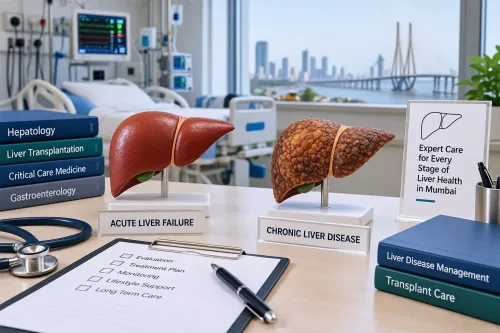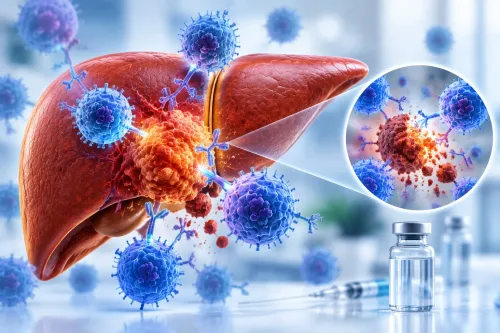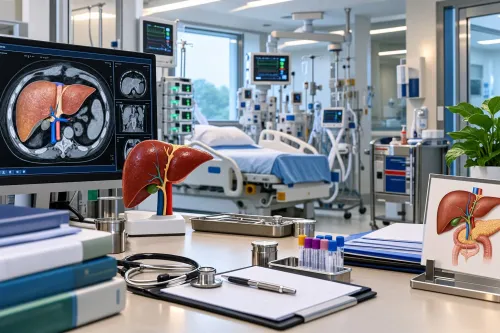
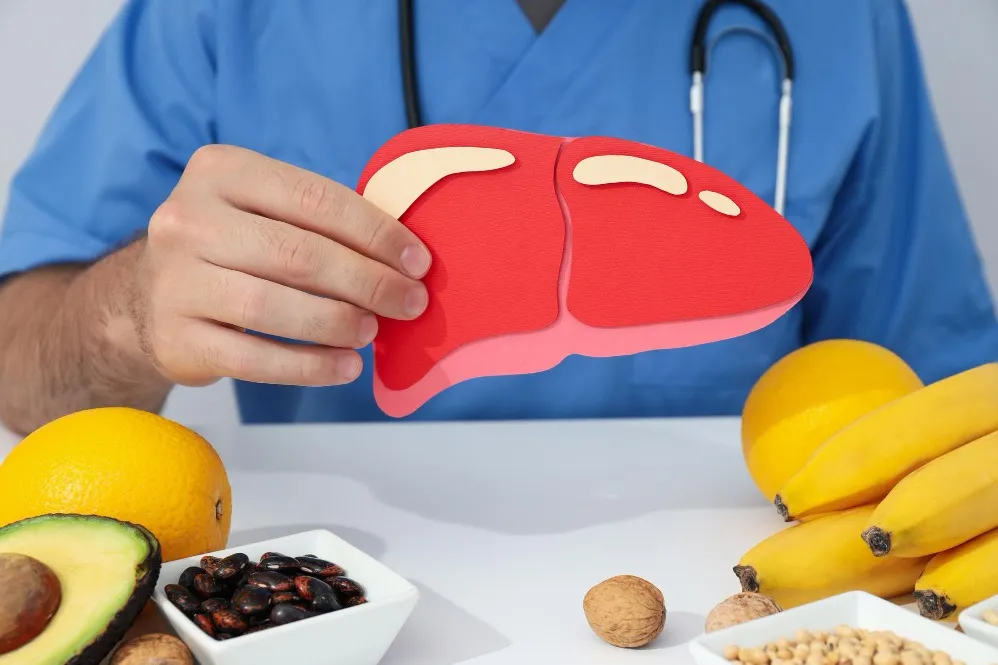
Being diagnosed with fatty liver disease can be concerning, but it also presents an opportunity to make positive lifestyle changes. One of the most effective ways to manage this condition is through a combination of healthy eating and regular physical activity. While medications may be necessary for some individuals depending on the underlying cause, nutrition and exercise remain the foundation of fatty liver management.
Fatty liver disease, now commonly referred to as metabolic dysfunction-associated steatotic liver disease (MASLD), is increasingly seen among adults with obesity, diabetes, high cholesterol, and sedentary lifestyles. In busy cities like Mumbai, long working hours and irregular eating habits often contribute to these metabolic risk factors. Fortunately, gradual and sustainable lifestyle improvements can help reduce liver fat and support better overall health.
Why Diet and Exercise Matter
The liver stores and processes nutrients, regulates metabolism, and removes waste products from the body. When excess fat accumulates in liver cells, these functions may gradually become less efficient.
Healthy food choices and regular exercise can help:
- Reduce fat stored in the liver
- Improve insulin sensitivity
- Support healthy weight management
- Lower cholesterol and triglyceride levels
- Improve overall metabolic health
- Reduce the risk of progression to liver fibrosis
Rather than focusing on short-term diets, experts recommend building habits that can be maintained over time.
Best Foods for Fatty Liver
A balanced eating pattern rich in whole, minimally processed foods supports both liver and overall health.
1. Fresh Vegetables
Vegetables provide fibre, vitamins, minerals, and antioxidants that help maintain healthy metabolism.
Include options such as:
- Spinach
- Broccoli
- Bottle gourd
- Carrots
- Cucumber
- Cauliflower
- Capsicum
Aim to fill at least half your plate with vegetables during main meals.
2. Fruits in Moderation
Whole fruits offer important nutrients and fibre.
Good choices include:
- Apples
- Guava
- Oranges
- Papaya
- Berries
- Pears
Whole fruits are generally preferred over packaged fruit juices because they contain more fibre and less concentrated sugar.
3. Lean Protein Sources
Protein helps preserve muscle mass and supports healthy metabolism.
Suitable options include:
- Fish
- Skinless chicken
- Eggs
- Lentils
- Beans
- Soy products
- Low-fat dairy
Including protein in each meal may also help improve satiety.
4. Whole Grains
Replacing refined grains with whole grains can support better blood sugar control.
Examples include:
- Brown rice
- Oats
- Whole wheat
- Millets
- Quinoa
These foods provide sustained energy and additional fibre.
5. Healthy Fats
Healthy fats should replace trans fats and excessive saturated fats whenever possible.
Choose:
- Almonds
- Walnuts
- Flaxseeds
- Chia seeds
- Olive oil in moderation
Portion control remains important because even healthy fats are calorie-dense.
Foods That Are Best Limited
Certain dietary choices may contribute to increased liver fat and poor metabolic health.
Reducing these foods can be beneficial:
- Sugary beverages
- Deep-fried snacks
- Bakery products high in trans fats
- Processed meats
- Refined flour products
- Packaged sweets
- Highly processed fast foods
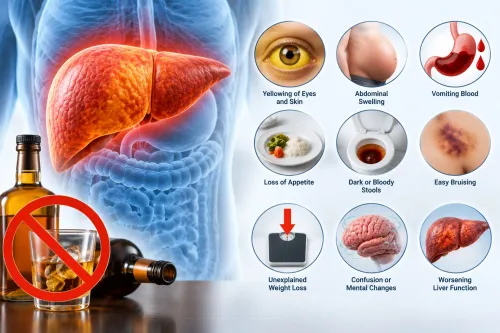
Alcohol intake should also be discussed with a healthcare professional, especially for individuals with diagnosed liver disease.
The Role of Exercise in Fatty Liver Management
Exercise offers benefits even before significant weight loss occurs. Regular physical activity improves insulin sensitivity, reduces liver fat, and supports cardiovascular health.
Adults are generally encouraged to aim for:
- At least 150 minutes of moderate aerobic activity each week
- Two sessions of muscle-strengthening exercises weekly
- Regular movement throughout the workday
- Reduced sedentary time
Walking, cycling, swimming, and light jogging are suitable options for many individuals, depending on their overall fitness and medical condition.
Everyday Habits That Support Better Results
Healthy routines extend beyond meals and workouts.
Simple practices include:
- Drinking adequate water throughout the day
- Sleeping seven to eight hours each night
- Managing stress through relaxation techniques
- Avoiding smoking
- Taking medications only as prescribed
- Attending regular health check-ups
These habits work together to support long-term liver health.
Monitoring Progress Is Important
Lifestyle changes often take time to show measurable improvements. Periodic medical evaluation helps assess how the liver is responding.
Depending on individual risk factors, a healthcare provider may recommend:
- Liver function blood tests
- Ultrasound examination
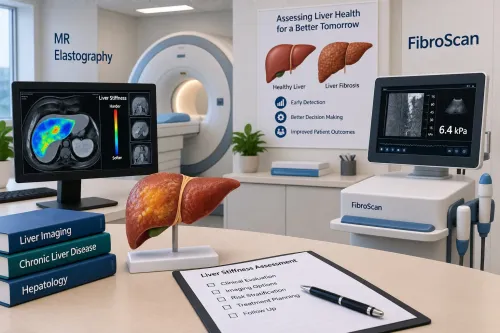
- Fibrosis assessment
- Blood sugar monitoring
- Cholesterol evaluation
- Body weight and waist circumference tracking
Monitoring allows treatment plans to be adjusted when needed.
Personalised Care Makes a Difference
Although general lifestyle advice benefits many people, every case of fatty liver is unique. Factors such as diabetes, obesity, hypertension, medications, and the stage of liver disease influence the most appropriate management plan.
For individuals in Mumbai seeking specialised evaluation, Dr. Chetan Kalal Hepatologist and Liver Transplant Specialist offers evidence-based assessment and personalised care for fatty liver disease and a wide range of liver disorders. Patients can also explore educational resources through drchetankalalliverspecialist.com to better understand preventive liver care and treatment options.
Consistency Is the Key to Long-Term Liver Health
Improving fatty liver is not about following extreme diets or intense workout programmes. It is about making practical, sustainable changes that fit into everyday life. Choosing nutrient-rich foods, staying physically active, maintaining a healthy weight, and attending regular medical check-ups can significantly support liver function and overall well-being.
With the right combination of nutrition, exercise, and professional medical guidance, many people can successfully manage fatty liver disease and reduce the risk of future liver complications.
Keywords