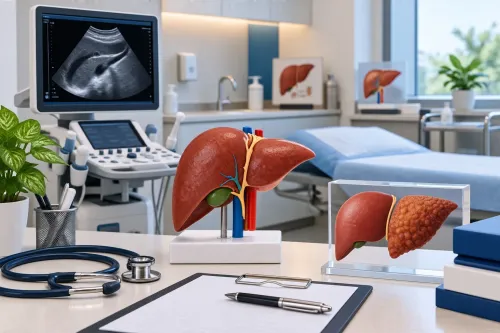

A liver care plan can become fragmented when patients visit different doctors for diabetes, obesity, abnormal liver enzymes, alcohol-related concerns, and digestive symptoms without one clinician coordinating the bigger picture. Personalized integrative liver care services aim to connect these factors because liver health is closely linked with metabolic health, nutrition, medications, lifestyle, and other medical conditions.
For many patients in Mumbai, especially those with fatty liver or multiple risk factors, coordinated care can make the treatment plan easier to understand and follow.
Why an integrated approach matters
Consider a patient with fatty liver, diabetes, high triglycerides, and excess weight. Treating only the liver enzymes does not address the factors contributing to liver injury.
Similarly, a patient with cirrhosis may need coordinated management of nutrition, medications, fluid retention, infection risk, and other complications.
The liver does not function in isolation.
What personalized liver care can involve
A comprehensive approach may include several components.
1. Cause-based diagnosis
The first step is determining whether liver abnormalities are related to metabolic disease, alcohol, viral hepatitis, autoimmune conditions, medication exposure, or another cause.
2. Fibrosis risk assessment
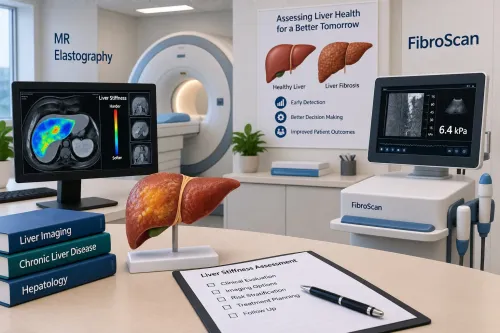
The degree of fibrosis helps determine how closely a patient needs to be monitored.
Blood-based scores and elastography can be useful components of non-invasive assessment.
3. Nutrition and lifestyle planning
Advice should reflect the person's actual eating pattern, work schedule, activity level, weight, metabolic health, and liver condition.
A practical plan is generally more sustainable than a highly restrictive diet that cannot be maintained.
4. Medication review
Patients with liver disease may use multiple prescription medicines, over-the-counter products, supplements, or herbal preparations.
Reviewing these substances is important because some may affect liver health or interact with treatment.
5. Ongoing monitoring
Liver care does not end when a blood test improves.
Depending on the diagnosis, patients may require periodic laboratory testing, imaging, fibrosis assessment, or surveillance for complications.
Integrative care for different stages of disease
Early-stage disease
The focus may be risk-factor control and preventing progression.
Moderate fibrosis
The focus may shift toward closer monitoring and more intensive management of the underlying disease.
Cirrhosis
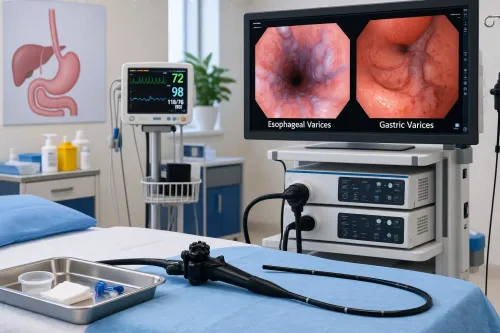
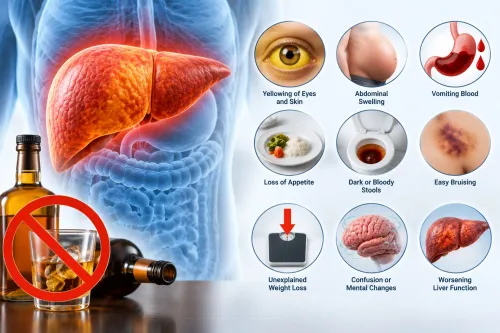
Care becomes more structured because the patient may be at risk of portal hypertension, ascites, encephalopathy, infections, and liver cancer.
Advanced liver failure
The team may need to discuss transplant evaluation alongside supportive and complication-focused treatment.
How patients can prepare for a consultation
A useful liver consultation becomes easier when patients bring:
- Previous blood tests
- Imaging reports
- Medication lists
- Diabetes and cholesterol results
- Previous hepatitis tests
- Weight history
- Alcohol-use history where relevant
- Details of supplements and traditional medicines
This information helps the hepatologist see patterns rather than isolated results.
In Mumbai, where patients may have reports from multiple diagnostic centres and hospitals, organizing records chronologically can be especially helpful.
For people seeking coordinated specialist management, Dr. Chetan Kalal Hepatologist and Liver Transplant Specialist can evaluate the broader clinical picture rather than treating an isolated abnormal liver enzyme result.
The value of continuity
Liver disease often changes over time. A patient may move from fatty liver without fibrosis to significant fibrosis, or from compensated cirrhosis to a stage requiring more intensive monitoring.
Regular follow-up allows treatment to evolve with the patient's condition.
Personalized liver care therefore means more than combining multiple treatments. It means connecting diagnosis, risk assessment, lifestyle, medication management, monitoring, and escalation of care into one understandable pathway.
For Mumbai patients concerned about long-term liver health, that coordinated approach can make the difference between simply reacting to abnormal reports and actively managing liver disease over time.
Keywords