
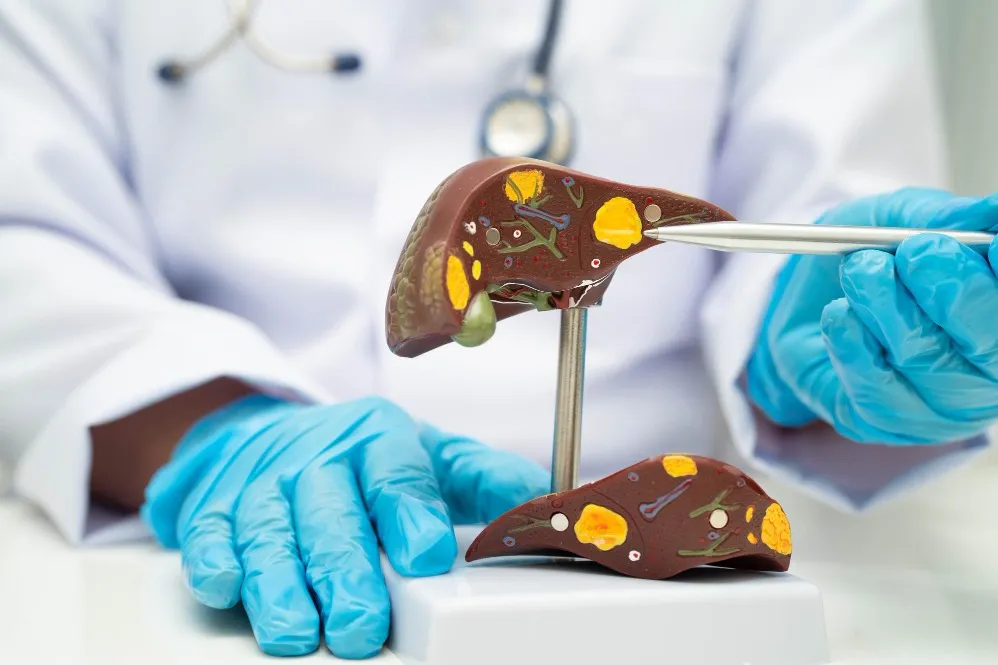
Changes in memory, concentration, sleep patterns, or behaviour are often attributed to stress, ageing, or fatigue. However, in people with advanced liver disease, these subtle changes may be early signs of hepatic encephalopathy, a potentially serious condition that affects brain function. Recognising the condition early is essential because timely diagnosis and treatment can improve quality of life and help prevent severe complications.
Awareness about early hepatic encephalopathy diagnosis in India is growing as healthcare professionals emphasise the importance of identifying symptoms before they interfere significantly with daily life. Since chronic liver disease is increasingly common due to fatty liver disease, viral hepatitis, and alcohol-related liver disorders, understanding this condition is valuable for patients and their families, particularly in large cities like Mumbai where access to specialist liver care is available.
What Is Hepatic Encephalopathy?
Hepatic encephalopathy is a neurological condition that occurs when the liver is unable to remove certain toxins from the bloodstream effectively. As these toxins accumulate, they can affect the normal functioning of the brain.
The condition most commonly develops in people with:
- Advanced liver fibrosis
- Cirrhosis
- Acute liver failure
- Liver conditions associated with reduced liver function
Not everyone with liver disease develops hepatic encephalopathy, but individuals with advanced liver damage are at a higher risk.
Why Early Diagnosis Is Important
Hepatic encephalopathy exists on a spectrum. In its earliest stages, symptoms may be very mild and difficult to recognise. Without treatment, however, the condition can gradually worsen and may eventually lead to confusion, reduced consciousness, or even coma.
Early diagnosis offers several benefits:
- Prompt treatment of the underlying cause
- Better symptom control
- Reduced risk of hospitalisation
- Improved daily functioning
- Better quality of life for patients and caregivers
Recognising symptoms before they become severe allows healthcare providers to intervene at an earlier stage.
Early Symptoms That Should Not Be Ignored
The initial signs of hepatic encephalopathy are often subtle and may be mistaken for ordinary fatigue or emotional stress.
Possible early symptoms include:
- Difficulty concentrating
- Forgetfulness
- Slower thinking
- Changes in handwriting
- Mood changes
- Irritability
- Disturbed sleep patterns
- Daytime drowsiness
- Reduced attention span
Family members are often the first to notice these behavioural or cognitive changes.
Symptoms of More Advanced Disease
As hepatic encephalopathy progresses, symptoms may become more noticeable and require urgent medical attention.
These may include:
- Significant confusion
- Disorientation
- Personality changes
- Slurred speech
- Difficulty performing routine tasks
- Tremors or hand flapping (asterixis)
- Excessive sleepiness
- Loss of consciousness in severe cases
These symptoms should never be ignored, particularly in someone with known liver disease.
What Can Trigger Hepatic Encephalopathy?
Certain conditions may increase the likelihood of an episode in individuals with chronic liver disease.
Common triggers include:
- Infections
- Constipation
- Gastrointestinal bleeding
- Dehydration
- Kidney dysfunction
- Certain medications
- Electrolyte imbalances
Identifying and treating these triggers is an important part of management.
How Is Hepatic Encephalopathy Diagnosed?
There is no single test that confirms hepatic encephalopathy. Diagnosis usually involves a comprehensive medical evaluation that considers both liver disease and neurological symptoms.
Assessment may include:
- Detailed medical history
- Physical examination
- Neurological assessment
- Blood tests
- Liver function tests
- Imaging studies when required
- Cognitive function evaluation
- Identification of possible triggering factors
The goal is to determine whether symptoms are related to liver disease while excluding other neurological conditions that may present similarly.
Can Hepatic Encephalopathy Be Managed?
Yes. Many people experience improvement when the underlying cause is identified and treated promptly.
Management may involve:
- Treating infections or other triggers
- Correcting dehydration or electrolyte imbalance
- Medications that help reduce toxin accumulation
- Nutritional guidance
- Regular follow-up for chronic liver disease
- Monitoring for disease progression
Because every patient is different, treatment plans are individualised based on the severity of liver disease and overall health.
Supporting a Loved One
Family members play an important role in recognising changes that the patient may not notice.
Helpful steps include:
- Observing changes in behaviour or memory
- Encouraging adherence to prescribed treatment
- Attending medical appointments when possible
- Reporting new symptoms promptly
- Supporting healthy nutrition and medication routines
Early communication with healthcare providers can prevent complications and improve outcomes.
When Should You Consult a Hepatologist?
Individuals with cirrhosis, chronic liver disease, or unexplained changes in memory, concentration, or behaviour should seek specialist evaluation without delay. Early assessment can help identify hepatic encephalopathy before symptoms become severe and ensure that other possible neurological conditions are appropriately excluded.
For patients in Mumbai, Dr. Chetan Kalal Hepatologist and Liver Transplant Specialist provides comprehensive evaluation and management of chronic liver diseases, including complications such as hepatic encephalopathy. Patients and caregivers can also access educational information through drchetankalalliverspecialist.com to better understand liver health, advanced liver disease, and available treatment approaches.
Awareness and Early Action Can Improve Quality of Life
Hepatic encephalopathy is a serious but manageable complication of advanced liver disease when recognised early. Paying attention to subtle changes in memory, concentration, sleep, or behaviour can make a significant difference in obtaining timely medical care.
Regular monitoring of chronic liver disease, prompt treatment of triggering factors, and ongoing specialist follow-up all contribute to better long-term outcomes. Early diagnosis not only helps preserve brain function but also supports safer, more effective management of liver disease as a whole.
Keywords