
Many liver conditions develop gradually and may not cause noticeable symptoms until significant damage has already occurred. While routine health check-ups often identify abnormal liver function tests, many people are unsure whether they should consult a general physician, a gastroenterologist, or an expert hepatologist. Understanding when specialised liver care is needed can help ensure timely diagnosis, appropriate treatment, and better long-term outcomes.
A hepatologist focuses on the diagnosis and management of diseases affecting the liver, gallbladder, bile ducts, and pancreas. Patients with fatty liver disease, hepatitis, liver fibrosis, cirrhosis, or those requiring liver transplant evaluation often benefit from personalised care tailored to the complexity of their condition. In metropolitan cities like Mumbai, where metabolic disorders and lifestyle-related liver diseases are becoming increasingly common, access to specialised hepatology services plays an important role in comprehensive healthcare.
What Does a Hepatologist Treat?
A hepatologist is trained to diagnose and manage a wide range of liver disorders, including:
- Fatty liver disease (MASLD)
- Alcohol-related liver disease
- Viral hepatitis (Hepatitis A, B, C, and E)
- Autoimmune liver diseases
- Liver fibrosis and cirrhosis
- Liver cysts and benign liver lesions
- Drug-induced liver injury
- Genetic and metabolic liver disorders
- Liver cancer evaluation
- Pre- and post-liver transplant care
Many of these conditions require careful monitoring over time rather than a one-time consultation.
Why Personalised Liver Care Matters
No two patients have the same liver disease. The severity of liver damage, medical history, lifestyle, age, diabetes status, medications, and family history all influence the most appropriate treatment approach.
Personalised liver care typically involves:
- Understanding the exact cause of liver disease
- Assessing the stage of liver damage
- Identifying associated health conditions
- Creating an individualised treatment plan
- Monitoring progress through follow-up evaluations
- Providing guidance on nutrition and lifestyle
This comprehensive approach helps address both the liver condition and the factors contributing to it.
Signs You Should Not Ignore
Although liver disease can remain silent for years, certain symptoms should prompt medical evaluation.
These include:
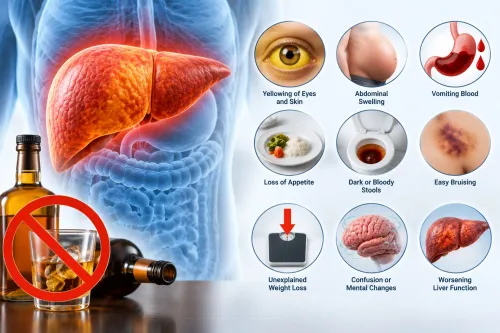
- Persistent fatigue
- Yellowing of the eyes or skin (jaundice)
- Swelling of the abdomen or legs
- Unexplained weight loss
- Persistent nausea
- Loss of appetite
- Dark-coloured urine
- Easy bruising or bleeding
- Confusion or changes in concentration
Even in the absence of symptoms, abnormal liver blood tests should not be ignored.
Who Is at Higher Risk?
Certain individuals have a greater likelihood of developing liver disease and may benefit from specialist assessment.
Risk factors include:
- Obesity
- Type 2 diabetes
- High cholesterol
- Excessive alcohol consumption
- Viral hepatitis infection
- Family history of liver disease
- Long-term use of certain medications
- Metabolic syndrome
People with one or more of these risk factors should discuss liver health with their healthcare provider, even if they feel well.
What Happens During a Hepatology Consultation?
A consultation with a hepatologist begins with a detailed medical history and physical examination. The specialist will review symptoms, previous investigations, medications, alcohol intake, family history, and lifestyle factors.
Depending on individual needs, additional investigations may include:
- Liver function blood tests
- Viral hepatitis screening
- Abdominal ultrasound
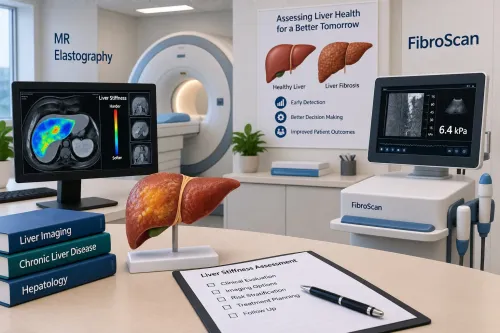
- FibroScan for liver fibrosis assessment
- CT or MRI scans when indicated
- Specialised blood tests for autoimmune or metabolic liver diseases
These evaluations help determine both the cause and severity of liver disease.
Personalised Treatment Goes Beyond Medication
Many people assume liver treatment involves medication alone. In reality, successful liver care often includes several components working together.
A personalised management plan may include:
- Nutritional counselling
- Weight management strategies
- Diabetes and cholesterol control
- Alcohol cessation support where appropriate
- Regular monitoring of liver function
- Vaccination advice for preventable infections
- Ongoing assessment for disease progression
Patients with advanced liver disease may also require multidisciplinary care involving transplant specialists, nutrition experts, radiologists, and other healthcare professionals.
The Importance of Regular Follow-Up
Chronic liver diseases often require periodic monitoring to detect changes before complications develop. Regular follow-up appointments allow healthcare providers to evaluate treatment response, review laboratory findings, and adjust management plans when necessary.
For individuals with cirrhosis or advanced fibrosis, scheduled surveillance may also help detect complications at an earlier stage.
Choosing the Right Liver Specialist
When selecting a hepatologist, it is helpful to consider factors such as:
- Experience in managing a broad range of liver diseases
- Access to advanced diagnostic technologies
- Evidence-based treatment approaches
- Multidisciplinary care when required
- Clear communication and patient education
- Individualised management plans rather than one-size-fits-all recommendations
Patients seeking specialised liver care in Mumbai may benefit from consulting Dr. Chetan Kalal Hepatologist and Liver Transplant Specialist, who provides comprehensive evaluation and management for fatty liver disease, hepatitis, cirrhosis, liver fibrosis, and liver transplant-related conditions. The practice also shares educational resources through drchetankalalliverspecialist.com to help patients better understand liver health, preventive care, and available treatment options.
Early Specialist Care Can Improve Long-Term Outcomes
Many liver diseases can be effectively managed when identified early. Consulting an expert hepatologist allows for accurate diagnosis, timely intervention, and personalised care based on each patient's medical needs. Whether the concern involves abnormal liver tests, fatty liver disease, chronic hepatitis, or advanced liver disorders, seeking specialist guidance can help protect liver function and support better long-term health.
Rather than waiting for symptoms to become severe, prioritising early evaluation and regular follow-up offers the best opportunity to preserve liver health and reduce the risk of future complications.
Keywords