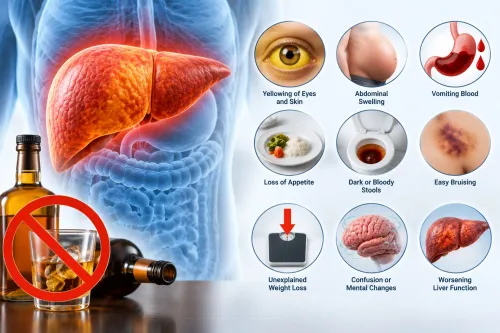
Liver disease often develops silently over many years, with little or no warning signs in its early stages. By the time symptoms such as jaundice, abdominal swelling, or fatigue become noticeable, significant liver damage may already have occurred. This is why early assessment has become an essential part of modern liver care. One of the most valuable advancements in this field is liver fibrosis detection with FibroScan, a non-invasive test that helps evaluate liver stiffness and detect scarring without the need for surgery.
For people living with fatty liver disease, chronic hepatitis, diabetes, obesity, or long-term alcohol-related liver conditions, FibroScan has become an important tool for identifying liver fibrosis at an early stage. In cities like Mumbai, where lifestyle-related liver diseases are increasingly common, access to timely assessment allows patients to receive appropriate treatment before complications develop.
What Is Liver Fibrosis?
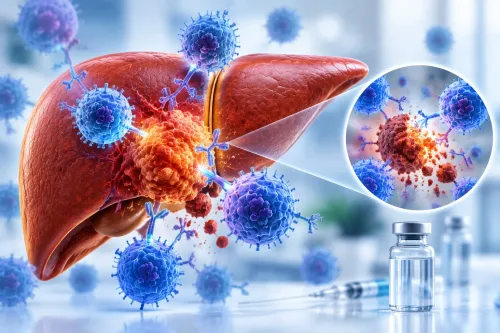
Liver fibrosis refers to the formation of scar tissue within the liver. It occurs when the liver repeatedly tries to repair itself after injury caused by chronic disease or inflammation.
Common causes of liver fibrosis include:
- Fatty liver disease (MASLD)
- Chronic hepatitis B or hepatitis C
- Alcohol-related liver disease
- Autoimmune liver disorders
- Certain inherited liver diseases
In the early stages, fibrosis may not interfere significantly with liver function. However, if left untreated, progressive scarring can eventually lead to cirrhosis, liver failure, or an increased risk of liver cancer.
Why Early Detection Is Important
One of the biggest challenges in managing liver disease is that fibrosis often develops without causing obvious symptoms.
Early detection offers several advantages:
- Identifies liver damage before complications occur
- Helps determine the severity of liver disease
- Supports personalised treatment planning
- Monitors response to lifestyle changes or medical therapy
- Reduces the likelihood of disease progression through timely intervention
Finding fibrosis early allows patients and healthcare providers to make informed decisions that may improve long-term liver health.
What Is FibroScan?
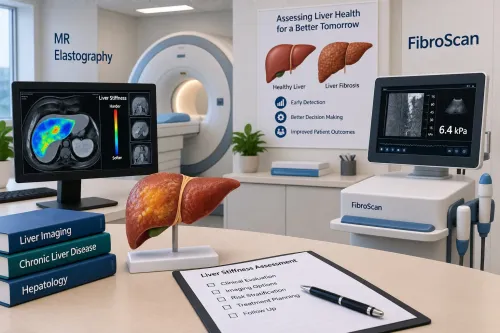
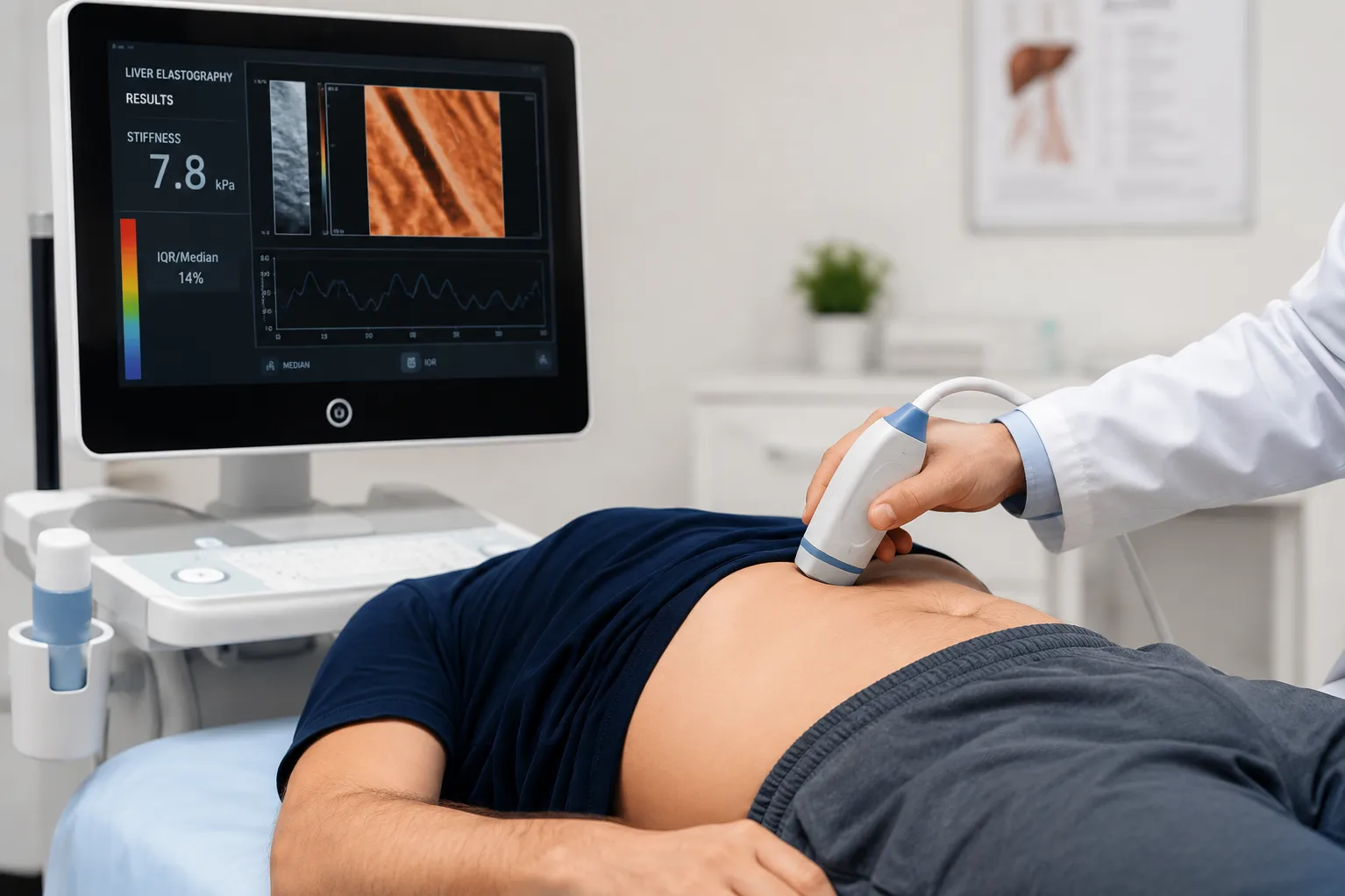
FibroScan is a specialised, non-invasive test that measures the stiffness of the liver using transient elastography technology. Increased liver stiffness is often associated with fibrosis.
Unlike a liver biopsy, FibroScan:
- Does not require surgery
- Does not involve needles entering the liver
- Usually takes only a few minutes
- Can often be performed as an outpatient procedure
- Allows patients to return to normal activities immediately afterwards
Because of its convenience and safety, FibroScan is widely used to assess many chronic liver conditions.
Who May Benefit from a FibroScan?
Your doctor may recommend FibroScan if you have risk factors for liver disease or abnormal liver investigations.
People who may benefit include those with:
- Fatty liver disease
- Type 2 diabetes
- Obesity
- Elevated liver enzymes
- Chronic hepatitis B or C
- Long-term alcohol-related liver disease
- Family history of chronic liver disease
- Metabolic syndrome
The test may also be used during follow-up visits to monitor changes in liver fibrosis over time.
What Happens During the Test?
FibroScan is simple and generally well tolerated.
During the examination:
- You will lie comfortably on an examination couch.
- A small probe is placed over the skin on the right side of the abdomen.
- The probe sends painless vibrations through the liver.
- A computer measures liver stiffness based on how quickly the waves travel.
- Results are generated within a short period.
Most patients describe the procedure as painless, with no need for sedation or recovery time.
Understanding the Results
FibroScan results help estimate the degree of liver stiffness, which may indicate the extent of fibrosis.
However, it is important to remember that:
- Results should always be interpreted alongside medical history.
- Blood tests and imaging studies may also be required.
- Temporary liver inflammation can sometimes influence measurements.
- FibroScan is one part of a comprehensive liver evaluation rather than a standalone diagnosis.
Your hepatologist will explain what the findings mean in the context of your overall health.
FibroScan Is Not a Replacement for Healthy Living
Even if FibroScan identifies early fibrosis, lifestyle changes remain a key part of treatment.
Patients are often advised to:
- Maintain a healthy body weight
- Follow a balanced, liver-friendly diet
- Exercise regularly
- Control diabetes and cholesterol
- Avoid alcohol if recommended
- Attend regular follow-up appointments
These measures may help slow or prevent further liver damage, depending on the underlying cause.
When Should You Speak to a Liver Specialist?
Persistent abnormal liver function tests, a diagnosis of fatty liver disease, viral hepatitis, or unexplained liver-related symptoms should not be ignored. A hepatologist can determine whether FibroScan is appropriate and whether additional investigations are required.
For individuals in Mumbai seeking specialised liver assessment, Dr. Chetan Kalal Hepatologist and Liver Transplant Specialist provides comprehensive evaluation for chronic liver diseases, including liver fibrosis assessment using modern diagnostic approaches. Patients can also access educational information through drchetankalalliverspecialist.com to better understand liver conditions and available diagnostic options.
Early Assessment Supports Better Long-Term Liver Care
Liver fibrosis does not always produce symptoms, but detecting it early can significantly influence future health outcomes. FibroScan offers a safe, convenient, and non-invasive way to assess liver stiffness and guide clinical decision-making.
When combined with regular medical follow-up, healthy lifestyle habits, and appropriate treatment, early fibrosis detection can help preserve liver function and reduce the risk of advanced liver disease. Taking action before complications arise remains one of the most effective strategies for protecting long-term liver health.
Keywords