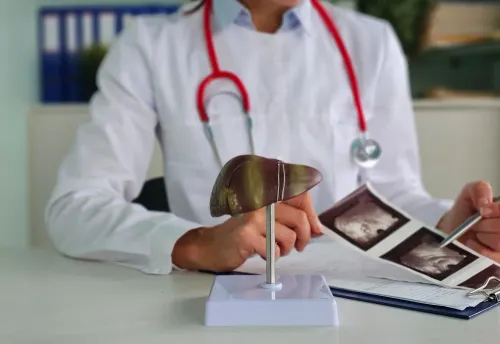

Learning that you or a loved one may need a liver transplant can be overwhelming. Questions about eligibility, timing, treatment options, and recovery often arise quickly. While not every person with liver disease requires transplantation, recognising when a specialist evaluation is appropriate is an important step toward receiving the right care at the right time.
A liver transplant is considered when the liver has been permanently damaged and can no longer perform its essential functions effectively. Modern advances in hepatology, transplant surgery, and post-transplant care have significantly improved outcomes for many patients. However, successful treatment begins long before surgery, with timely assessment by an experienced liver transplant physician in Mumbai and a multidisciplinary healthcare team.
What Is a Liver Transplant?
A liver transplant is a surgical procedure in which a diseased liver is replaced with a healthy liver from a donor. It is generally recommended for individuals with advanced liver disease when other treatments are no longer sufficient to maintain normal liver function.
Depending on the patient's condition, transplantation may involve:
- A deceased donor liver
- A living donor liver transplant, where a portion of a healthy donor's liver is transplanted
Because the liver has the ability to regenerate, both the donor's remaining liver and the transplanted portion can grow over time under appropriate medical care.
Which Conditions May Lead to Liver Transplantation?
Several liver diseases can gradually progress to liver failure despite appropriate medical treatment.
Common conditions include:
- Advanced liver cirrhosis
- Chronic hepatitis B or hepatitis C with severe liver damage
- Metabolic dysfunction-associated steatotic liver disease (MASLD)
- Alcohol-related liver disease in appropriately selected patients
- Acute liver failure
- Certain inherited liver disorders
- Selected cases of liver cancer that meet transplant criteria
Not every patient with these conditions will require a transplant, but regular monitoring helps determine the most appropriate treatment approach.
Signs That a Transplant Evaluation May Be Needed
A hepatologist may recommend liver transplant assessment when liver disease begins to affect overall health and quality of life.
Some indicators include:
- Recurrent fluid accumulation in the abdomen (ascites)
- Frequent episodes of hepatic encephalopathy
- Repeated gastrointestinal bleeding due to portal hypertension
- Persistent jaundice
- Progressive decline in liver function
- Severe fatigue affecting daily activities
- Significant weight loss and muscle wasting
- Worsening laboratory markers of liver disease
These signs do not automatically mean that transplantation is required, but they do indicate the need for specialised evaluation.
What Happens During a Liver Transplant Evaluation?
A transplant evaluation is a detailed process designed to determine whether transplantation is appropriate and safe.
The assessment may include:
- Comprehensive medical history
- Physical examination
- Liver function tests
- Imaging studies such as ultrasound, CT scan, or MRI
- Heart and lung evaluation
- Kidney function assessment
- Nutritional assessment
- Screening for infections
- Psychological and social evaluation
The purpose is to understand the patient's overall health and identify any factors that may influence transplant outcomes.
Why Early Referral Matters
Many people assume they should wait until liver disease becomes extremely severe before consulting a transplant specialist. In reality, early referral offers several advantages.
Early evaluation allows:
- Better planning of treatment
- Monitoring before complications become critical
- Identification of suitable living donor options when appropriate
- Optimisation of nutrition and overall health
- Timely placement on transplant waiting lists if required
Waiting too long may reduce treatment options or increase the risk of complications.
Life After Liver Transplant
A liver transplant is not the end of treatment, it marks the beginning of lifelong follow-up care.
After transplantation, patients usually require:
- Regular medical reviews
- Immunosuppressive medications
- Routine blood tests
- Monitoring for infection
- Healthy diet and exercise
- Avoidance of alcohol unless specifically advised otherwise
- Vaccinations and preventive healthcare as recommended
Many patients are able to return to work, family responsibilities, and normal daily activities after recovery, although ongoing medical supervision remains essential.
Supporting Patients and Families
Liver transplantation affects not only the patient but also family members and caregivers.
Families can support recovery by:
- Attending medical appointments
- Understanding medication schedules
- Encouraging healthy lifestyle habits
- Recognising early warning signs of complications
- Providing emotional support throughout treatment
Open communication with the healthcare team helps everyone involved understand the treatment journey.
Choosing a Liver Transplant Physician
Selecting a liver transplant physician involves more than finding a specialist with experience. Patients should also consider:
- Expertise in managing advanced liver disease
- Access to multidisciplinary transplant care
- Clear communication about treatment options
- Evidence-based decision-making
- Comprehensive long-term follow-up
A personalised approach is especially important because every patient's medical history and transplant needs are unique.
Comprehensive Liver Transplant Assessment in Mumbai
For individuals seeking specialised evaluation, Dr. Chetan Kalal Hepatologist and Liver Transplant Specialist provides comprehensive assessment for advanced liver disease, transplant eligibility, and long-term hepatology care in Mumbai. Patients can also explore educational information through drchetankalalliverspecialist.com to better understand chronic liver disease, transplantation, and ongoing liver health management.
Early Evaluation Helps Patients Make Informed Decisions
A liver transplant is a highly specialised treatment reserved for selected patients with advanced liver disease, but early assessment can make a significant difference in planning appropriate care. Understanding when to seek specialist advice allows patients and families to explore all available treatment options before complications become more severe.
With timely referral, careful evaluation, and ongoing support from an experienced hepatology team, many individuals can receive personalized care that is tailored to their medical needs while preparing for the best possible long-term outcomes.
Keywords