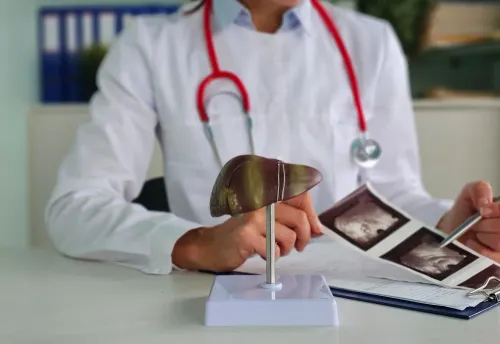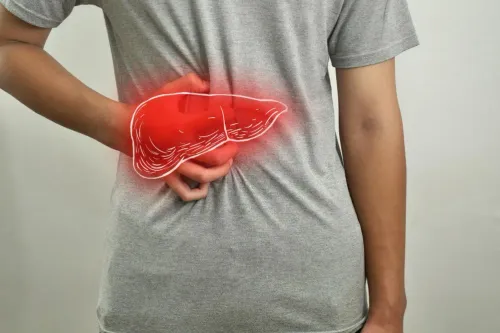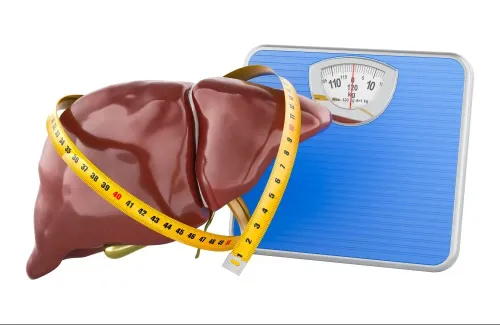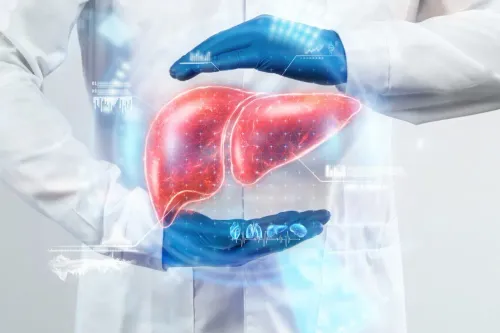
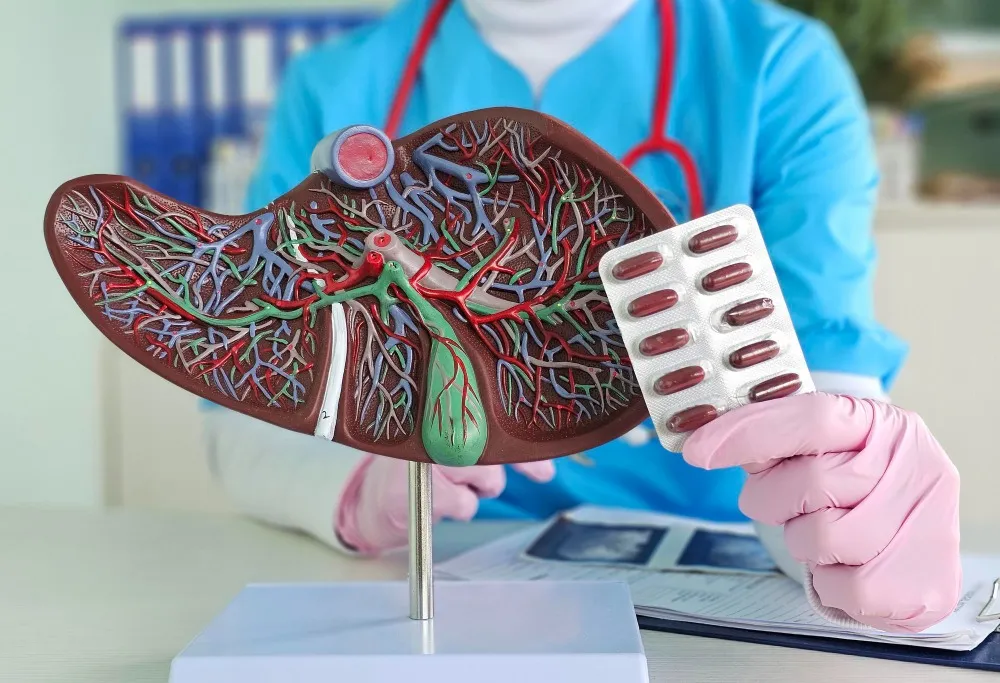
Chronic liver disease affects millions of people worldwide and remains a major health concern in India. Conditions such as fatty liver disease, chronic hepatitis, liver fibrosis, and cirrhosis can gradually reduce the liver's ability to perform essential functions. While lifestyle changes, medications, and liver transplantation continue to be the cornerstones of treatment, ongoing research has introduced growing interest in regenerative liver medicine for chronic liver disease.
Regenerative liver medicine focuses on understanding how the liver repairs itself and explores therapies that may support or enhance this natural healing process. Although several regenerative approaches are still being studied, these advances are improving our understanding of liver disease and may shape future treatment options. For patients in Mumbai and across India, learning about these developments helps create realistic expectations while reinforcing the importance of evidence-based medical care.
What Is Regenerative Liver Medicine?
The liver is one of the few organs in the human body with a remarkable ability to regenerate after injury. Healthy liver cells can multiply and replace damaged tissue when the underlying cause of injury is controlled.
Regenerative liver medicine is a field of research that aims to:
- Understand how liver cells repair themselves
- Slow or prevent progression of chronic liver disease
- Improve liver function by promoting tissue regeneration
- Develop new treatment strategies for advanced liver damage
It is important to note that many regenerative therapies are still under clinical investigation and may not yet be considered standard treatment for all liver diseases.
Which Liver Conditions May Benefit from Future Regenerative Approaches?
Research in regenerative liver medicine primarily focuses on chronic conditions such as:
- Metabolic dysfunction-associated steatotic liver disease (MASLD)
- Chronic hepatitis B and hepatitis C
- Liver fibrosis
- Cirrhosis
- Alcohol-related liver disease
- Certain inherited liver disorders
The goal is to reduce ongoing liver injury while encouraging healthy liver tissue to recover whenever possible.
Current Standard Treatments Remain Essential
Although regenerative medicine is an exciting area of research, the current management of chronic liver disease continues to rely on proven medical approaches.
Treatment may include:
- Managing the underlying cause of liver disease
- Lifestyle and dietary modifications
- Weight management
- Diabetes and cholesterol control
- Antiviral therapy for viral hepatitis when indicated
- Regular monitoring of liver function
- Treatment of complications
- Liver transplantation for selected patients with advanced disease
These evidence-based treatments remain the foundation of liver care.
How Does the Liver Naturally Regenerate?
Unlike many other organs, the liver has the ability to replace damaged cells after injury. However, this regenerative capacity has limits.
Repeated or ongoing injury caused by fatty liver disease, viral infections, excessive alcohol use, or autoimmune conditions can eventually lead to fibrosis and cirrhosis. As scar tissue replaces healthy liver cells, regeneration becomes less effective.
This is why identifying liver disease early is so important.
Areas of Ongoing Research
Researchers continue to investigate several promising areas within regenerative liver medicine.
These include:
- Stem cell-based therapies
- Cell transplantation techniques
- Growth factor research
- Tissue engineering
- Gene-based therapies
- Novel medications targeting liver regeneration
Many of these approaches remain part of carefully regulated clinical research, and additional studies are needed to establish their long-term safety and effectiveness.
Lifestyle Still Plays a Major Role
Regardless of future medical advances, healthy lifestyle choices remain one of the most effective ways to protect the liver.
Patients with chronic liver disease are often advised to:
- Follow a balanced liver-friendly diet
- Maintain a healthy body weight
- Exercise regularly
- Avoid alcohol when medically advised
- Control diabetes and blood pressure
- Take medications only under medical supervision
- Attend regular follow-up appointments
These habits reduce ongoing liver injury and support the liver's natural ability to recover.
When Is Liver Transplantation Considered?
For some patients with advanced liver failure or end-stage cirrhosis, regenerative therapies alone may not be sufficient.
A liver transplant may be recommended when:
- The liver can no longer perform essential functions
- Serious complications develop despite treatment
- Liver cancer meets transplant eligibility criteria in selected cases
- Overall health suggests transplantation is appropriate
Liver transplantation remains one of the most effective treatments for carefully selected patients with irreversible liver disease.
Why Specialist Evaluation Matters
Every patient with chronic liver disease has different medical needs. The cause of liver damage, stage of fibrosis, associated medical conditions, and overall health all influence treatment decisions.
A hepatologist can help:
- Identify the underlying liver condition
- Assess disease severity
- Recommend evidence-based treatment
- Monitor disease progression
- Discuss appropriate treatment options, including emerging advances where relevant
This personalised approach ensures that patients receive care based on current scientific evidence rather than unverified claims.
Choosing Reliable Information About Regenerative Therapies
Because regenerative medicine is a rapidly evolving field, patients may encounter misleading advertisements promising complete liver regeneration or guaranteed cures.
Before considering any treatment, it is important to:
- Discuss options with a qualified hepatologist
- Understand whether a therapy is approved or experimental
- Ask about scientific evidence supporting the treatment
- Avoid unverified claims that promise unrealistic results
- Seek information from recognised medical institutions and specialists
Making informed decisions helps patients avoid unnecessary risks while receiving appropriate care.
Evidence-Based Care Remains the Best Approach
For individuals in Mumbai seeking comprehensive liver care, Dr. Chetan Kalal Hepatologist and Liver Transplant Specialist provides evidence-based evaluation and management for chronic liver diseases, including fatty liver disease, hepatitis, fibrosis, cirrhosis, and liver transplant assessment. Patients can also access educational resources through drchetankalalliverspecialist.com to better understand liver conditions, current treatment options, and advances in hepatology.
Looking Ahead with Realistic Expectations
Regenerative liver medicine represents an exciting area of ongoing research that may expand treatment possibilities in the future. However, maintaining realistic expectations is essential, as many regenerative therapies continue to be evaluated through clinical studies.
Until these treatments become part of routine clinical practice, the most effective strategy for managing chronic liver disease remains early diagnosis, healthy lifestyle changes, regular monitoring, and personalised care from an experienced hepatologist. Combining current evidence-based treatments with advances in medical research offers the best opportunity to protect liver health and improve long-term outcomes.
Keywords