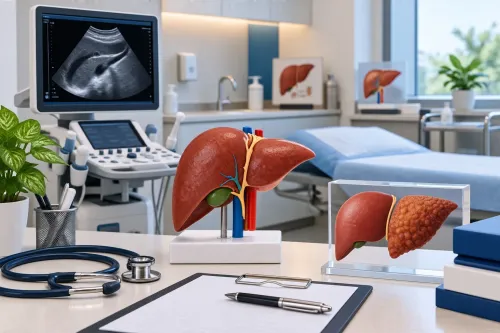
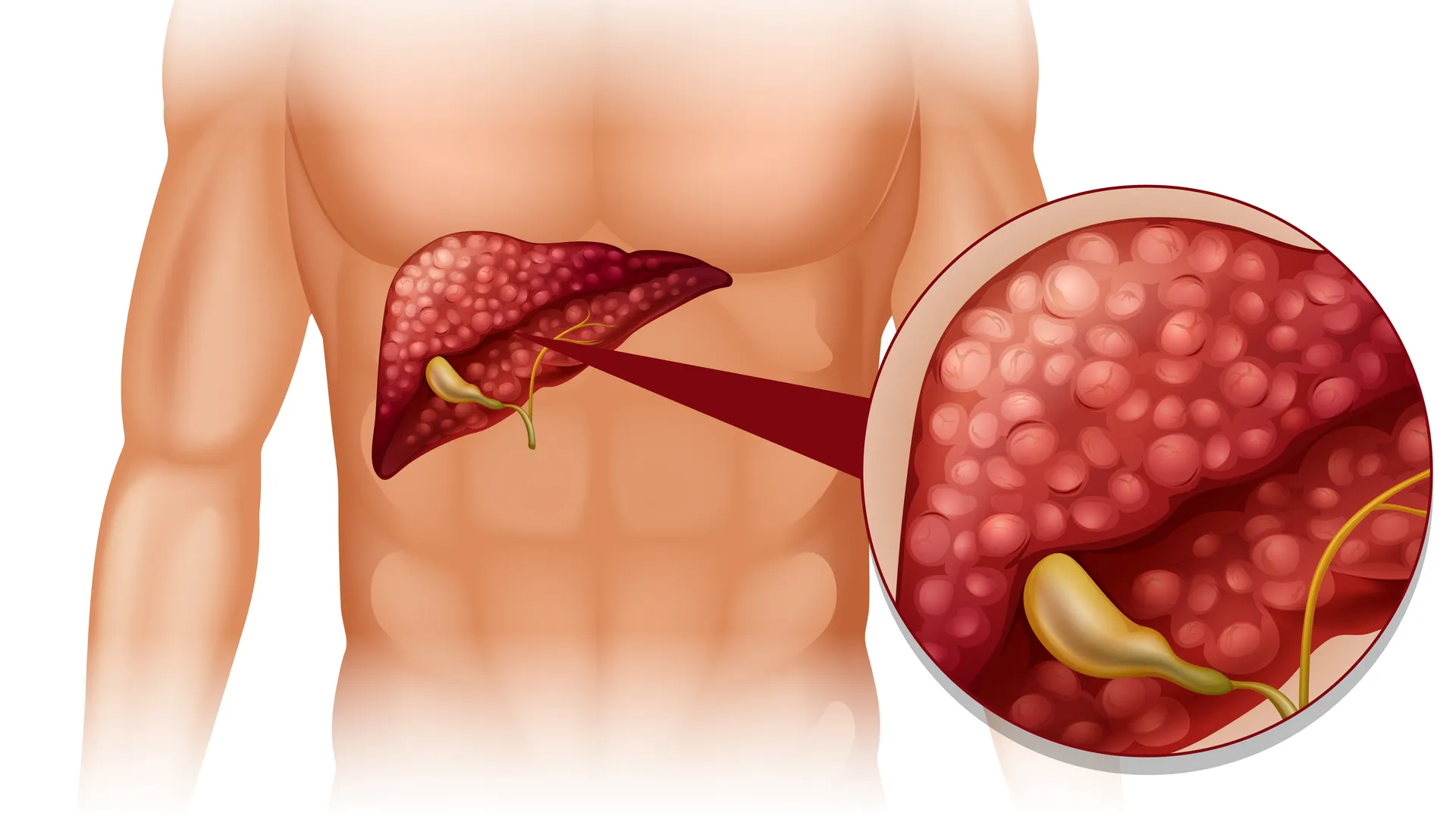
Early liver disease detection can change the direction of treatment completely. The problem is that liver disease often develops quietly. A person may feel only mild tiredness, occasional bloating, poor appetite, or nothing unusual at all. By the time symptoms become obvious, the liver may already be under significant stress. That is why screening and early assessment matter so much.
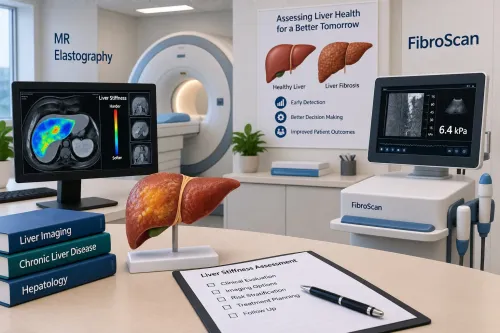
At Dr. Chetan Kalal Hepatologist and Liver Transplant Specialist, Mumbai, early detection is approached through a combination of clinical history, liver function assessment, imaging, risk evaluation, and non-invasive diagnostic tools where needed. Patients with diabetes, obesity, high cholesterol, hepatitis infection, alcohol use, family history of liver disease, or long-term medication exposure may require closer monitoring even when they feel generally well.
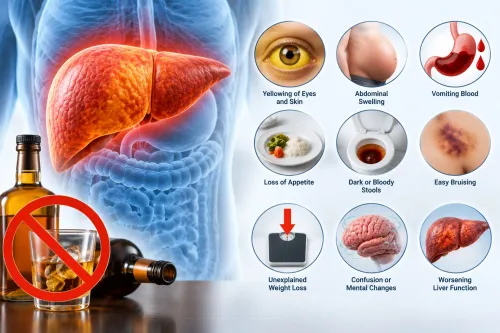
Many people still assume liver disease becomes visible only through jaundice. In reality, early liver damage may show up through abnormal blood reports, fatty liver changes, fibrosis development, or subtle inflammation that needs expert interpretation. This is where timely hepatology consultation becomes important. Screening is not just for people with severe symptoms. It is often more valuable for those who are still in the reversible or manageable stages.
Another major benefit of early diagnosis is that treatment can be more structured and less complicated. Lifestyle correction, targeted medication, fibrosis monitoring, and regular follow-up become more effective when introduced early. It also reduces the chances of progression toward cirrhosis or transplant-stage liver failure.
If you have risk factors, ongoing digestive concerns, unexplained fatigue, or simply want clarity about your liver health, this is a good time to consider expert screening. Reach out to Dr. Chetan Kalal Hepatologist and Liver Transplant Specialist in Mumbai for early liver disease evaluation and guidance.
Keywords