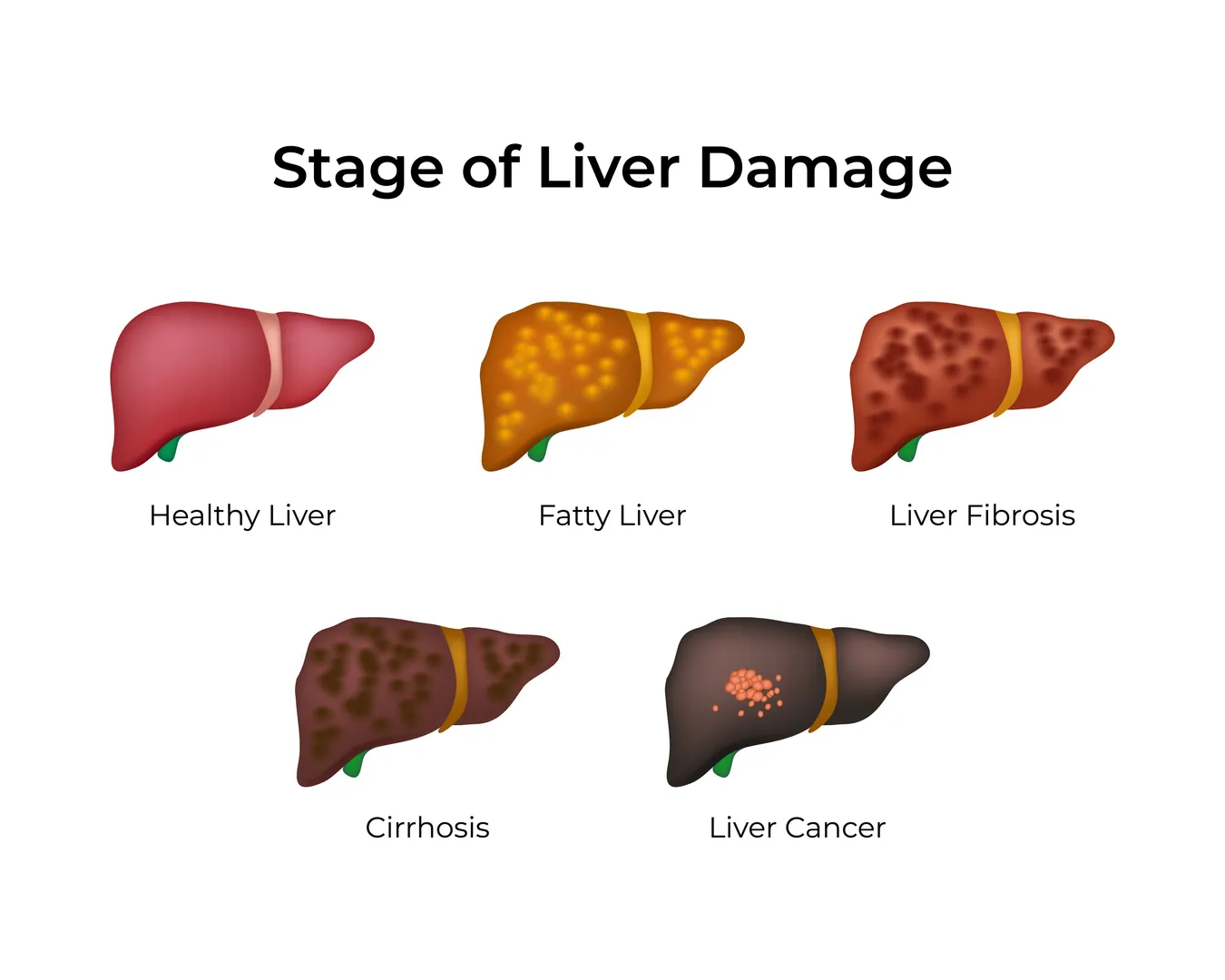
Liver fibrosis stages are important to understand because fibrosis does not usually begin with dramatic symptoms. It develops gradually as the liver responds to ongoing injury, whether from fatty liver disease, hepatitis, alcohol-related damage, metabolic disorders, or other chronic causes. Over time, normal liver tissue starts being replaced by scar tissue. If this process continues without treatment, it can progress toward cirrhosis and long-term liver dysfunction.
At Dr. Chetan Kalal Hepatologist and Liver Transplant Specialist, Mumbai, fibrosis management begins with identifying the cause, understanding the stage of liver scarring, and evaluating how quickly the condition may be progressing. Early fibrosis may be manageable with structured intervention, while more advanced stages require closer monitoring, complication prevention, and long-term care planning. This is why staging matters so much. It helps define what the patient needs now, not just what may happen later.
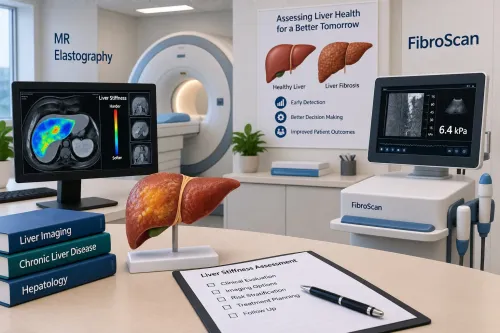
Patients often ask whether fibrosis can improve. In many cases, yes, especially when detected early and when the underlying cause is treated properly. For example, weight correction in fatty liver, antiviral treatment for hepatitis, alcohol cessation, and regular liver monitoring can all support better outcomes. Non-invasive tools such as FibroScan and advanced imaging have also made stage assessment more comfortable and practical for patients.
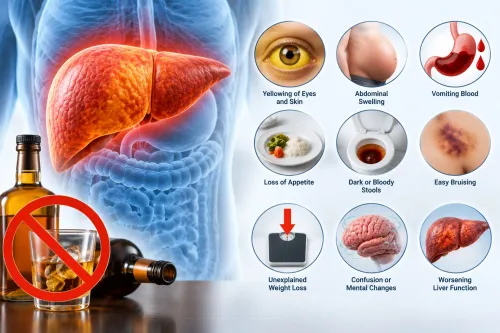
The real concern is silent progression. People may wait too long simply because they do not feel unwell enough to seek help. But fibrosis management works best before complications appear. Once liver scarring becomes advanced, treatment becomes more complex and the focus may shift from reversal to control.
If you have been told you have fatty liver, abnormal liver tests, or possible fibrosis, it is worth getting a stage-based evaluation. Consult Dr. Chetan Kalal Hepatologist and Liver Transplant Specialist in Mumbai for a clearer understanding of liver fibrosis progression and management.
Keywords